Shandong HeadPowder Engineering Co., Ltd., a professional manufacturer based in Shandong, China, specializes in the design, development, and production of advanced cement raw material pneumatic conveying equipment. This article provides an in-depth exploration of the fundamental principles behind such equipment and highlights the key characteristics of its working scenarios, offering valuable insights for industries seeking efficient and reliable material handling solutions.
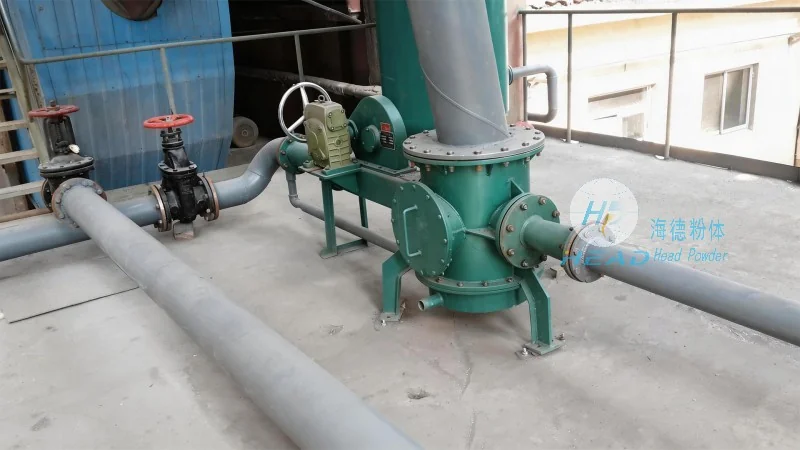
Introduction to Cement Raw Material Pneumatic Conveying Equipment
Cement raw material pneumatic conveying equipment is a critical component in modern cement production lines, responsible for the efficient transport of raw materials such as limestone, clay, and iron ore from storage silos to the kiln. Unlike traditional mechanical conveyors, pneumatic systems utilize air pressure to move bulk materials through a network of pipes, offering advantages in terms of flexibility, cleanliness, and reduced maintenance requirements. The equipment typically consists of a blower, a hopper, a conveying line, and a discharge unit, all working in tandem to ensure smooth and continuous material flow.
Principle of Pneumatic Conveying
The core principle of pneumatic conveying is the movement of solid particles suspended in a gas stream. In a positive pressure system, a blower generates high-pressure air that forces the material through the pipeline, while in a negative pressure system, a vacuum pump creates a low-pressure environment that draws the material into the line. The air velocity within the pipe must be sufficient to keep the particles in suspension, preventing them from settling and causing blockages. This two-phase flow (air and solid particles) is carefully controlled to maintain optimal conveying efficiency and prevent material degradation or air leakage.
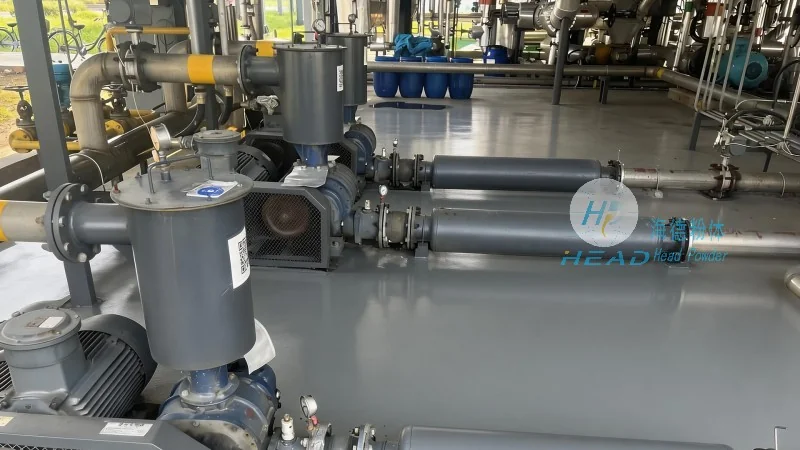
Working Scene Characteristics and Application Scenarios
The working scene characteristics of cement raw material pneumatic conveying equipment are tailored to meet the diverse needs of industrial environments. In factory settings, these systems are often integrated into existing production lines, requiring seamless coordination with other machinery such as crushers, mixers, and storage silos. The equipment is designed to operate in various environmental conditions, including indoor and outdoor applications, with options for both horizontal and vertical conveying to accommodate different layout requirements. For example, in a cement plant, the system may need to transport raw materials over long distances or through multiple levels, necessitating robust and durable components that can withstand the rigors of continuous operation.
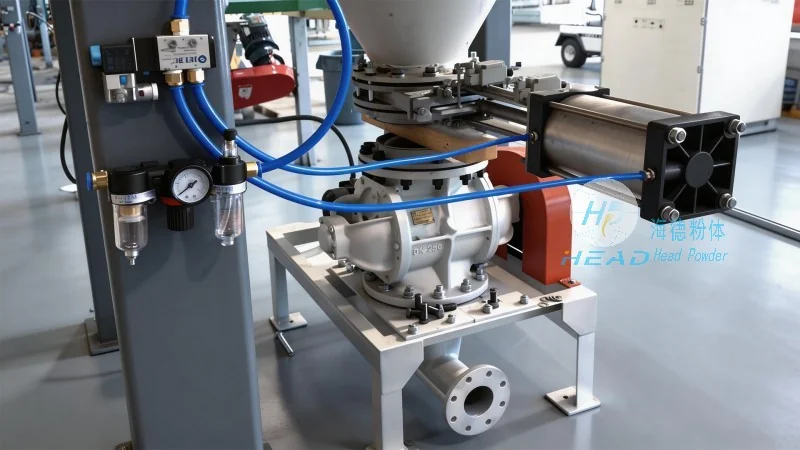
Key Features and Technical Advantages
Shandong HeadPowder Engineering Co., Ltd. equipment is engineered with several key features that enhance performance and reliability. One notable advantage is the ability to handle a wide range of particle sizes and densities, from fine powders to coarse aggregates, without the need for additional processing. The systems are also designed for energy efficiency, utilizing variable speed drives and optimized air flow to minimize power consumption while maintaining high conveying rates. Additionally, the equipment incorporates advanced control systems that allow for real-time monitoring of pressure, flow, and material levels, enabling operators to adjust parameters dynamically and prevent system failures. Maintenance is simplified through modular design, with easy access to components such as filters, blowers, and valves, reducing downtime and operational costs.
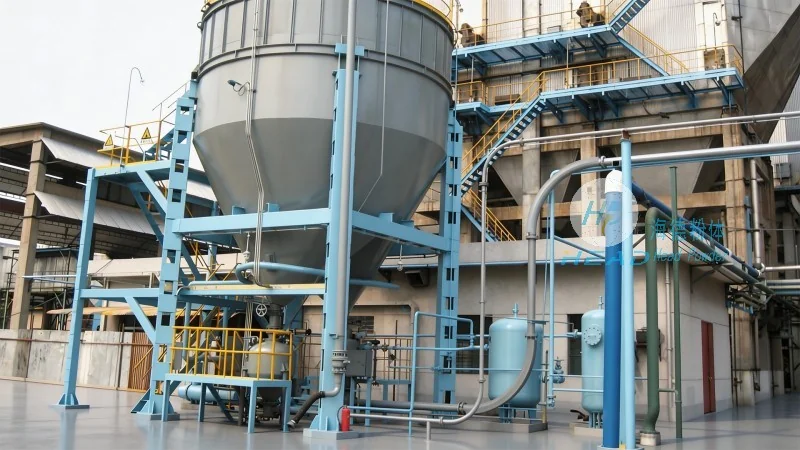
Application Examples and Industry Impact
The application of cement raw material pneumatic conveying equipment has a significant impact on the efficiency and sustainability of cement production. By eliminating the need for traditional belt or screw conveyors, which can cause material contamination and require frequent cleaning, pneumatic systems contribute to a cleaner and more hygienic production environment. This is particularly important in the cement industry, where material purity is critical for final product quality. Furthermore, the ability to transport materials over long distances without intermediate storage reduces the need for additional silos and storage areas, optimizing plant layout and maximizing space utilization. The equipment's reliability and low maintenance requirements also contribute to overall operational efficiency, allowing cement plants to maintain consistent production rates and meet market demands effectively.
Conclusion
In conclusion, cement raw material pneumatic conveying equipment, as developed by Shandong HeadPowder Engineering Co., Ltd., represents a sophisticated solution for the efficient handling of bulk materials in cement production. By understanding the underlying principles of pneumatic conveying and the specific characteristics of working scenarios, industries can leverage these systems to improve operational efficiency, reduce costs, and enhance product quality. The combination of advanced technology, robust design, and professional engineering ensures that such equipment remains a preferred choice for modern cement plants seeking to optimize their material handling processes.




