HeadPowder, a leading manufacturer based in Shandong, China, specializes in the design and production of advanced pneumatic conveying systems tailored for handling sawdust and wood flakes. This article delves into the fundamental principles behind these systems and highlights the key characteristics of their operational environments.
Pneumatic Conveying Systems: Core Principles
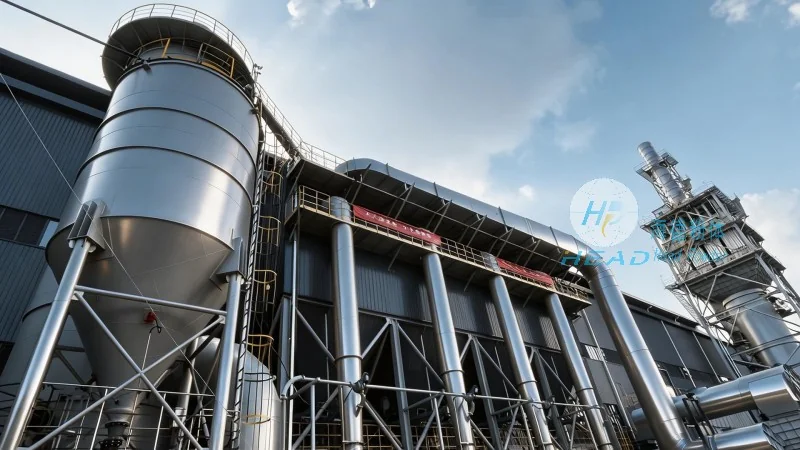
The sawdust and wood flakes pneumatic conveying equipment operates on the principle of transporting bulk materials through a pipeline using compressed air or other gas streams. This method eliminates the need for mechanical components like belts, buckets, or screws, which are common in traditional conveying systems. The system typically consists of a hopper for material storage, a blower or compressor to generate the air flow, a pipeline network to guide the material, and a discharge point where the material is released. The air flow creates a low-pressure zone that draws the material into the pipeline, where it is carried to the destination. This process is highly efficient for handling fine or dusty materials, as it minimizes material degradation and reduces the risk of contamination.
Key Working Scene Characteristics
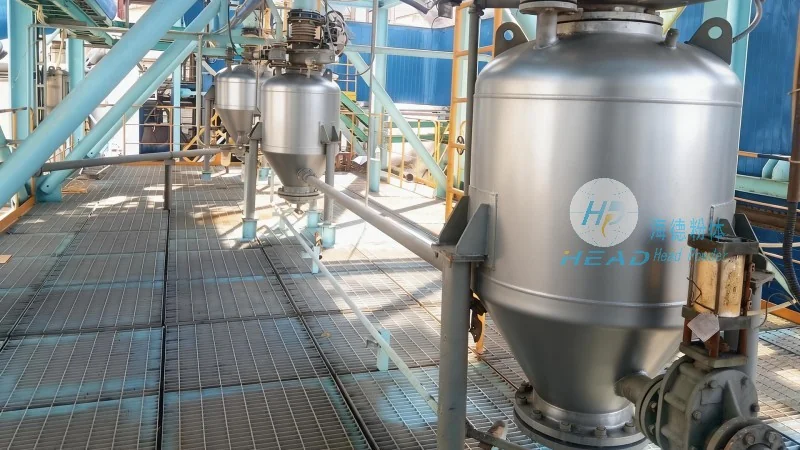
The operational environments for sawdust and wood flakes pneumatic conveying systems are characterized by several distinct features that influence system design and performance. Firstly, the material properties play a crucial role. Sawdust and wood flakes are often lightweight, low-density materials with a tendency to create dust and airborne particles. This requires the system to be equipped with effective dust control measures, such as filtration systems and sealed components, to prevent environmental contamination and ensure worker safety. Secondly, the system must be designed to handle variations in material flow rates and particle sizes. The air velocity within the pipeline must be carefully controlled to prevent material deposition or blockages, which can occur if the velocity is too low or the material is too fine. Thirdly, the system's scalability is a critical factor. Depending on the application, the conveying distance and volume may vary significantly, necessitating flexible system configurations that can be adjusted to meet specific operational needs. Additionally, the system's energy efficiency is an important consideration, as the operation of blowers and compressors accounts for a significant portion of the overall energy consumption. Advanced control systems and energy recovery mechanisms are often integrated to optimize performance and reduce operational costs.
Application Scenarios and Operational Advantages
The sawdust and wood flakes pneumatic conveying equipment is widely used in various industrial applications, including woodworking, paper manufacturing, and biomass energy production. In woodworking facilities, for example, the system efficiently transports sawdust from cutting and shaping operations to storage or processing areas, ensuring a continuous and clean workflow. In paper mills, the equipment handles wood flakes from the pulping process, transporting them to the papermaking machines with minimal material loss. The advantages of using pneumatic conveying in these scenarios are numerous. Compared to traditional mechanical systems, pneumatic conveyors offer higher material throughput, reduced maintenance requirements, and improved safety due to the enclosed pipeline system. The absence of moving parts also minimizes the risk of material damage and contamination, which is particularly important for high-quality wood products. Furthermore, the system's ability to handle dusty materials without generating excessive dust makes it suitable for applications where environmental regulations are stringent. Overall, the sawdust and wood flakes pneumatic conveying equipment provides a reliable and efficient solution for material handling in industries that rely on wood-based products.
Conclusion
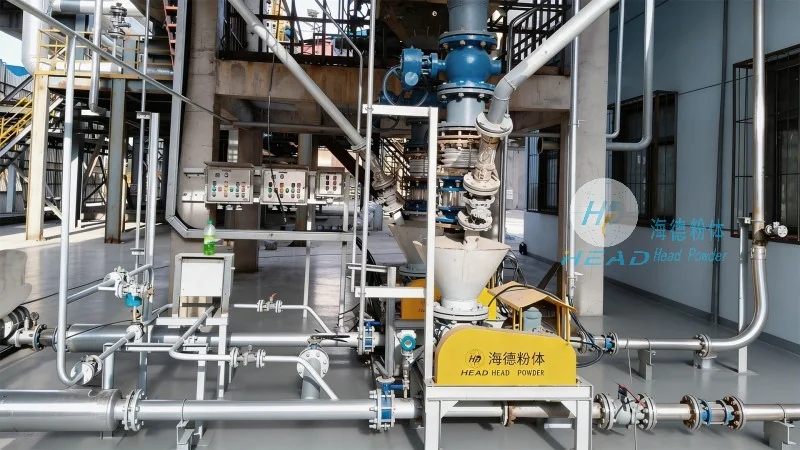
HeadPowder's sawdust and wood flakes pneumatic conveying equipment exemplifies the integration of advanced engineering principles and practical operational considerations. By understanding the core principles of pneumatic conveying and the specific characteristics of the working environments, manufacturers can design systems that meet the unique demands of their applications. The combination of efficient material transport, effective dust control, and energy-efficient operation makes these systems a preferred choice for industries dealing with sawdust and wood flakes. As a leading company based in Shandong, China, HeadPowder continues to innovate and provide tailored solutions that enhance productivity and operational safety in the wood processing and related industries.




