When it comes to managing the transportation of white sugar within industrial processes, selecting the appropriate pneumatic conveying system is crucial for efficiency, reliability, and cost-effectiveness. The right system not only ensures smooth material flow but also minimizes downtime and operational risks. This guide outlines key considerations and factors to help you make an informed decision when choosing a pneumatic conveying system for your white sugar handling operations.
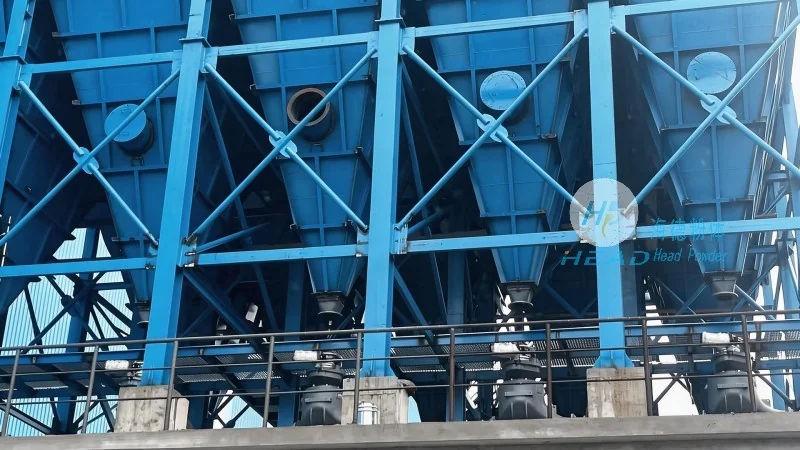
Understanding the Importance of Pneumatic Conveying for White Sugar
White sugar, with its fine granular structure and specific physical properties, requires specialized handling to prevent caking, segregation, and loss of product quality. Pneumatic conveying systems offer a non-contact, closed-loop solution that maintains product integrity while enabling efficient movement from storage to processing units. Unlike traditional mechanical conveyors, pneumatic systems can handle delicate materials without the risk of abrasion or contamination, making them ideal for white sugar applications where product purity is paramount.
Key Factors to Consider When Selecting a Pneumatic Conveying System
Choosing the right pneumatic conveying system for white sugar handling involves evaluating several critical factors. The first consideration is the physical characteristics of the sugar itself, including particle size, moisture content, and flowability. Fine-grained white sugar, for instance, may require systems with higher air velocities and specialized hopper designs to prevent blockages. Additionally, the distance and elevation changes between the source and destination points influence the system type—short-distance, low-rise applications might use positive pressure systems, while longer or multi-level setups often benefit from negative pressure or hybrid configurations.
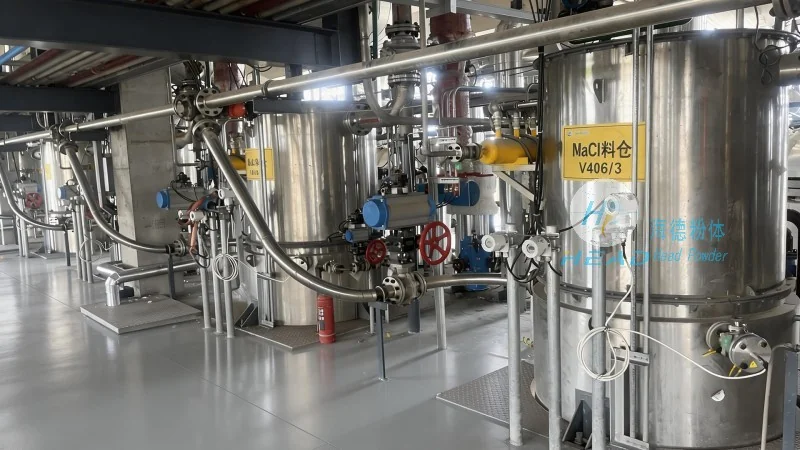
Another critical factor is the desired system capacity and operational speed. High-volume sugar processing facilities may need systems capable of handling large quantities continuously, while smaller operations might prioritize flexibility and lower energy consumption. The choice of system also impacts maintenance requirements and long-term operational costs. For example, positive pressure systems, though generally more robust, may have higher energy demands compared to negative pressure systems, which can be more energy-efficient for certain applications.
Types of Pneumatic Conveying Systems for White Sugar
There are primarily two types of pneumatic conveying systems commonly used in white sugar handling: positive pressure and negative pressure systems. Positive pressure systems use compressed air to push material through a pipeline, while negative pressure systems use vacuum to draw material into the system. Each type has its advantages and is suited to different operational scenarios. Positive pressure systems are often preferred for applications requiring high pressure or long-distance transport, as they can maintain consistent material flow and are less prone to clogging. Negative pressure systems, on the other hand, are ideal for short-distance, low-level transfers where minimizing dust emissions is a priority.
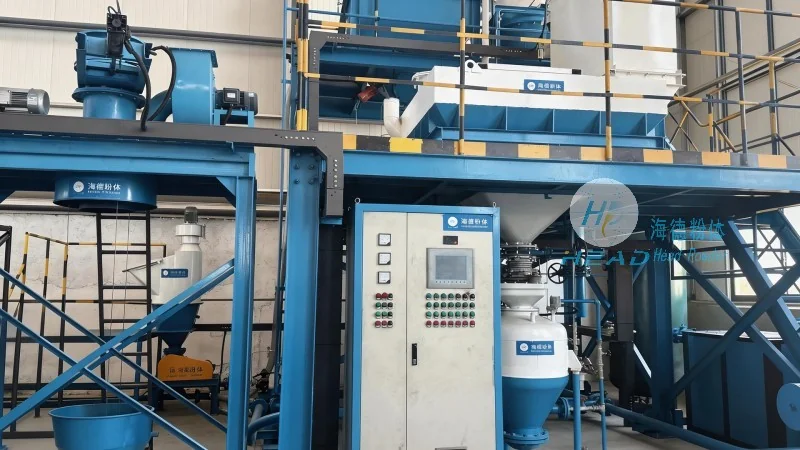
Hybrid systems, combining elements of both positive and negative pressure, are also available and can offer flexibility for complex layouts. These systems may use positive pressure for the initial boost and negative pressure for the return air, optimizing energy use and material transport. The selection of the system type should align with the specific layout of your facility, the distance between processing points, and the need to control dust and product loss.
Customization and Expert Guidance from HeadPowder
Given the unique challenges of white sugar handling, it is essential to work with a specialized engineering partner who understands both the material and the technology. Shandong HeadPowder Engineering Co., Ltd., a leading provider of pneumatic conveying solutions, offers tailored systems designed to meet the specific needs of sugar processing facilities. With years of experience in the industry, HeadPowder engineers conduct thorough assessments of your operational requirements, including material characteristics, layout constraints, and performance goals, to recommend the most suitable system configuration.
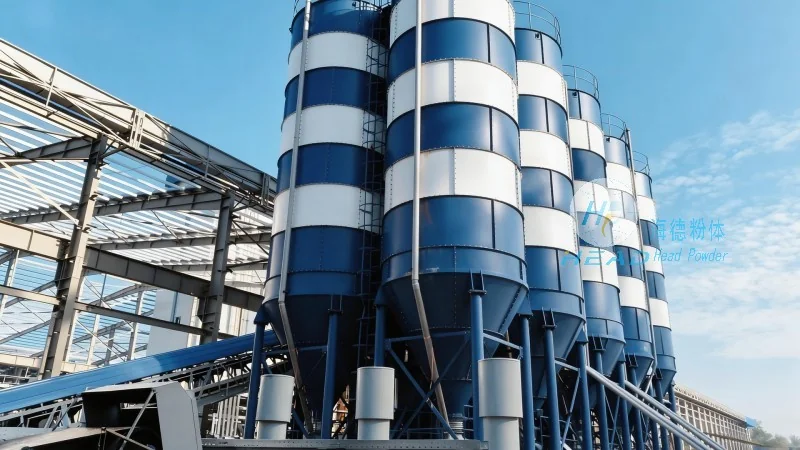
HeadPowder’s expertise extends to system design, installation, and ongoing support. Their team of professionals can help you evaluate different system options, compare costs and benefits, and ensure that the chosen solution aligns with your long-term operational objectives. By leveraging their knowledge and experience, you can select a pneumatic conveying system that maximizes efficiency, minimizes downtime, and maintains the quality of your white sugar throughout the handling process.
Conclusion: Making the Right Choice for Your White Sugar Handling
Choosing the right pneumatic conveying system for your white sugar handling process is a critical decision that impacts operational efficiency, product quality, and overall cost. By considering factors such as material properties, system capacity, and layout requirements, and working with a reputable engineering partner like Shandong HeadPowder Engineering Co., Ltd., you can ensure that your facility operates smoothly and reliably. The right system not only enhances productivity but also contributes to the long-term success of your sugar processing operations, providing a solid foundation for growth and sustainability.




