When it comes to managing the transportation of potassium carbonate, selecting the appropriate pneumatic conveying system is a critical decision that impacts operational efficiency, safety, and overall process reliability. For facilities dealing with this chemical, understanding the nuances of different conveying technologies and how they align with specific process requirements is essential. This guide aims to provide a comprehensive overview of the key factors to consider when choosing a pneumatic conveying system tailored to potassium carbonate handling applications.
Understanding the Role of Pneumatic Conveying in Potassium Carbonate Operations
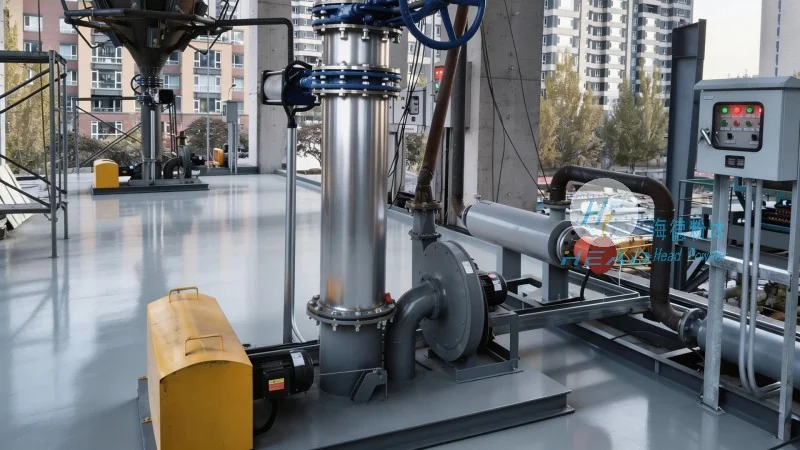
Potassium carbonate, commonly used in industries such as food, pharmaceuticals, and chemical manufacturing, requires reliable and efficient material handling solutions to maintain product quality and operational flow. Pneumatic conveying systems offer a versatile method for transporting bulk materials like potassium carbonate from one location to another within a facility. These systems utilize air or gas to move the material through a pipeline network, eliminating the need for mechanical components like conveyors or elevators in many cases. The choice of system type—whether positive pressure, negative pressure, or a hybrid approach—depends on several variables, including the distance of transport, the volume of material, and the specific characteristics of the potassium carbonate being handled.
Key Considerations for Selecting a Pneumatic Conveying System
Several critical factors must be evaluated when selecting a pneumatic conveying system for potassium carbonate. First, the physical properties of the material itself play a significant role. Potassium carbonate is typically a fine to medium-grained powder, which can affect how it behaves in a conveying system. Factors such as particle size distribution, moisture content, and bulk density will influence the system's design and performance. For example, finer particles may require higher air velocities to prevent clogging or deposition in the pipeline, while coarser particles might allow for lower velocities with less risk of blockages.
Second, the distance and layout of the conveying route are important considerations. Systems designed for short-distance transport may use simpler configurations, such as pressure vessels and short pipelines, whereas long-distance applications might necessitate more complex setups, including multiple stages of conveying or the use of booster fans to maintain air pressure over extended lengths. The layout of the facility, including existing infrastructure and available space, will also impact the feasibility of different system designs.
Third, operational requirements and safety standards must be taken into account. Potassium carbonate is generally considered non-hazardous, but the system must still comply with industry safety regulations, particularly regarding dust control and explosion prevention. Pneumatic conveying systems can generate dust during operation, so proper filtration and ventilation systems are essential to maintain a safe working environment. Additionally, the system's ability to handle variations in material flow, such as start-up and shutdown sequences, should be evaluated to ensure smooth and continuous operation.
Types of Pneumatic Conveying Systems for Potassium Carbonate
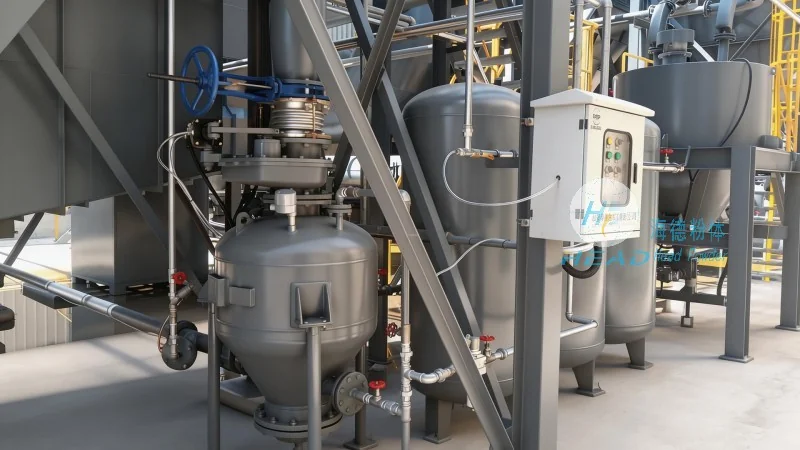
There are primarily two main types of pneumatic conveying systems: positive pressure and negative pressure. Positive pressure systems use a blower or fan to force air and material through the pipeline, while negative pressure systems use a vacuum to draw material into the system. Each type has its advantages and is suitable for different scenarios.
Positive pressure systems are often preferred for transporting potassium carbonate over longer distances or when the material needs to be conveyed to multiple destinations. They typically offer higher air velocities and can handle a wider range of material characteristics, including finer powders. However, they may require more robust equipment and higher energy consumption compared to negative pressure systems. A common configuration in positive pressure systems involves a hopper or feeder that loads the material into a pressure vessel, which is then pressurized by the blower to initiate conveying.
Negative pressure systems, on the other hand, are well-suited for applications where the material needs to be collected from a source and transported to a single destination, such as from a storage silo to a processing unit. These systems use a vacuum pump to create a negative pressure in the pipeline, drawing the material from the source and moving it to the destination. Negative pressure systems are generally more energy-efficient for short-distance transport and can be more cost-effective for smaller-scale operations. However, they may be more susceptible to clogging and require careful maintenance to prevent dust leakage.
Customization and Integration with Existing Infrastructure
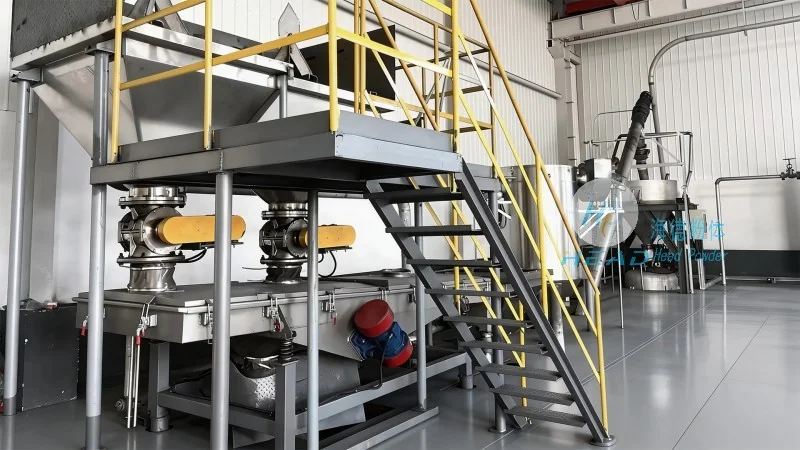
Another critical aspect of selecting a pneumatic conveying system for potassium carbonate is the ability to customize the system to fit the specific needs of the facility. Shandong HeadPowder Engineering Co., Ltd., a leading provider of material handling solutions, specializes in designing and manufacturing customized pneumatic conveying systems tailored to the unique requirements of each client. The company's expertise lies in understanding the nuances of potassium carbonate handling and translating those needs into effective system designs.
When choosing a system, it is essential to consider how it will integrate with existing infrastructure. This includes evaluating the compatibility of the system with current storage and processing equipment, as well as the availability of space for installation. A well-designed system should not only meet the current material handling needs but also allow for future expansion or modifications as the facility evolves. Shandong HeadPowder Engineering Co., Ltd. offers comprehensive engineering services, including site surveys and system design, to ensure that the chosen pneumatic conveying system is optimized for both current and future requirements.
Ensuring Reliability and Maintenance for Long-Term Performance
Reliability is a key factor in any material handling system, and pneumatic conveying systems for potassium carbonate are no exception. The system's performance over time depends on proper installation, regular maintenance, and the quality of components used. High-quality materials and components, such as durable hoses, efficient filters, and reliable blowers, are essential to minimize downtime and ensure consistent operation. Shandong HeadPowder Engineering Co., Ltd. uses only premium components in their systems, backed by rigorous quality control processes to ensure longevity and performance.
Maintenance of the system is also crucial. Regular cleaning of filters, inspection of pipelines for wear or damage, and monitoring of air pressure and flow rates are all important tasks to maintain optimal performance. The company provides maintenance services and technical support to help clients keep their systems running smoothly, reducing the risk of unexpected breakdowns and ensuring consistent material flow. By investing in a well-designed and properly maintained pneumatic conveying system, facilities can enhance their operational efficiency and reduce long-term costs associated with material handling.




