For industries dealing with cotton fiber materials, efficient and reliable material handling is crucial to maintain production efficiency and product quality. Pneumatic conveying lines offer a solution that can effectively transport cotton fiber materials from one location to another, ensuring a smooth and controlled process. This article will explore the working principle and key features of cotton fiber material pneumatic conveying lines, providing insights into how they operate and the benefits they bring to industrial applications.
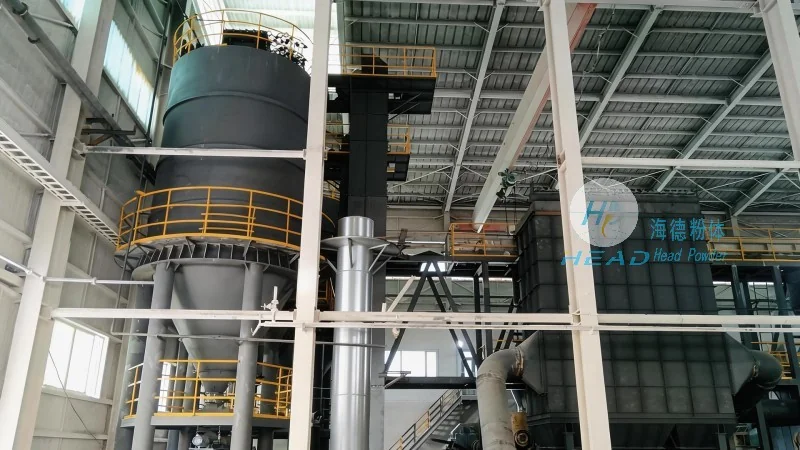
Working Principle of Cotton Fiber Material Pneumatic Conveying Lines
The core of a cotton fiber material pneumatic conveying line lies in the use of air as the medium to transport the material. The system typically operates under either positive pressure or negative pressure, depending on the specific requirements of the application. In a positive pressure system, air is forced through the conveying line, carrying the cotton fiber particles along with it. The air flow is generated by a blower or a fan, which creates the necessary pressure to move the material through the pipeline. The cotton fiber is fed into the system via a feeder, such as a rotary valve or a star feeder, which ensures a consistent and controlled flow of material into the conveying line.
Once the cotton fiber enters the pipeline, it is carried by the air stream to the destination point. The conveying line may include various components like bends, expansion joints, and filters to ensure the material is transported smoothly without blockages or damage. At the receiving end, a separator or a cyclone is used to separate the air from the cotton fiber, allowing the material to be discharged into a storage bin or a processing unit. The separated air is then either recirculated back into the system or vented to the atmosphere, depending on the system design.
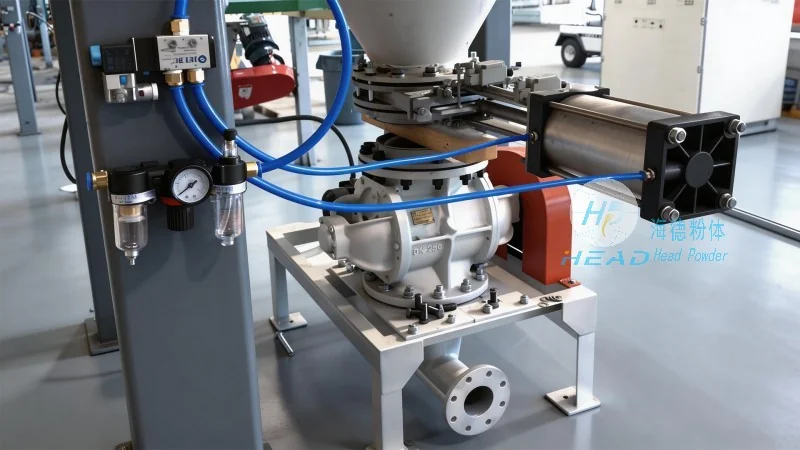
Key Features of Cotton Fiber Material Pneumatic Conveying Lines
Efficiency and Reliability: Pneumatic conveying lines are designed to handle the unique properties of cotton fiber, such as its light weight and potential for static charge. The system ensures a continuous and consistent flow of material, minimizing downtime and improving overall production efficiency. The use of positive or negative pressure allows for flexible operation, adapting to different production needs and layouts.
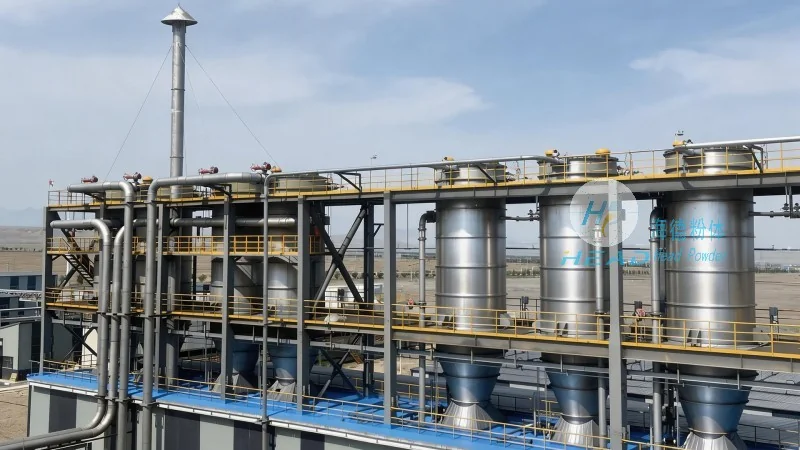
Clean and Hygienic Operation: Unlike traditional mechanical conveying systems, pneumatic conveying lines provide a closed environment for material transport. This helps in maintaining the cleanliness of the cotton fiber, preventing contamination from external sources and ensuring the material remains in its original state. The enclosed system also reduces dust emissions, making it suitable for applications where environmental regulations and worker safety are a priority.
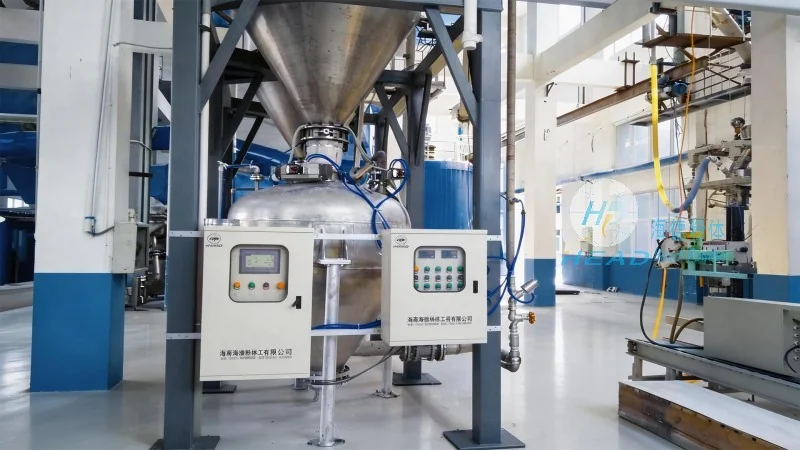
Space-Saving and Flexible Layout: Pneumatic conveying lines can be installed in a variety of layouts, including vertical, horizontal, or a combination of both, depending on the available space and the layout of the production facility. The flexible design allows for easy integration into existing production lines, reducing the need for extensive modifications to the facility. The system can also be extended or reconfigured as production needs change, providing long-term flexibility.
Low Maintenance and Longevity: With fewer moving parts compared to mechanical conveying systems, pneumatic conveying lines require less maintenance and have a longer service life. The components, such as the blower, feeder, and separator, are designed to withstand the demands of continuous operation, ensuring reliable performance over time. Regular maintenance, such as cleaning filters and checking air pressure, is typically all that is needed to keep the system running smoothly.




