HeadPowder, a leading engineering company based in Shandong, China, specializes in the design, manufacturing, and installation of advanced pneumatic conveying systems for abrasive materials such as grit. This article explores the working principle and key features of these systems, highlighting their efficiency, reliability, and adaptability for industrial applications.
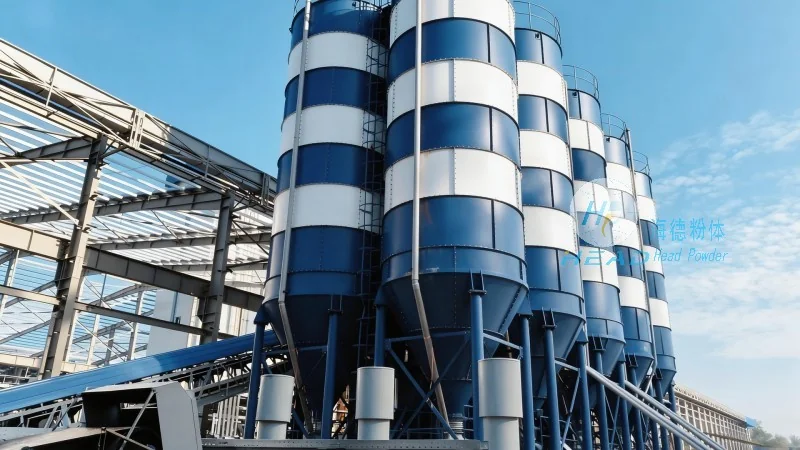
Introduction to Abrasive Material Pneumatic Conveying Systems
At Shandong HeadPowder Engineering Co., Ltd., we develop and supply high-performance pneumatic conveying solutions tailored for transporting abrasive materials like grit. These systems are essential in industries where traditional mechanical conveyors may not be suitable due to the material's hardness, abrasiveness, or the need for dust-free handling. Our systems are engineered to ensure safe, efficient, and cost-effective material transport while minimizing wear and tear on equipment.
Working Principle of Grit Material Pneumatic Conveying Lines
The core of an abrasive material pneumatic conveying system is the air-driven mechanism that propels the material through a pipeline. The process typically involves several key components and steps. First, the grit material is fed into a hopper or feeder, where it is then introduced into a high-pressure or low-pressure air stream. The air, often generated by a blower or compressor, creates a flow that entrains the material particles, carrying them through the pipeline to the discharge point. The system may use positive pressure (where air pushes the material) or negative pressure (where air pulls the material), depending on the application and layout. The design of the pipeline, including bends, elbows, and expansion joints, is critical to maintain the material's velocity and prevent blockages or excessive wear.
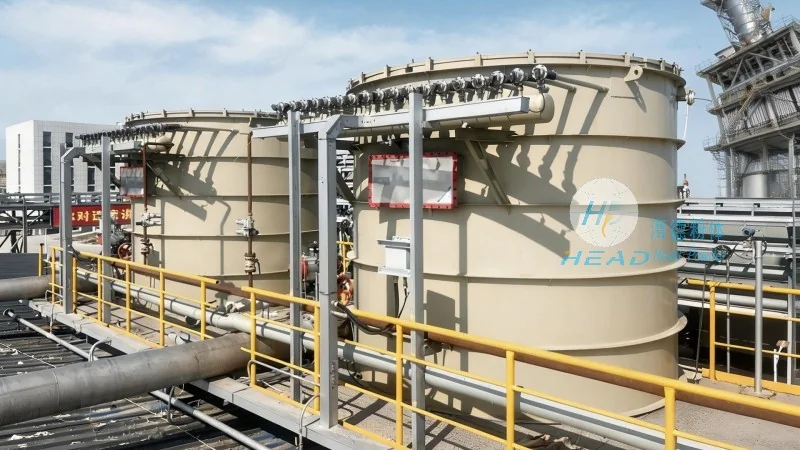
Key Features and Advantages of Abrasive Material Pneumatic Conveying Systems
Our pneumatic conveying systems for grit materials offer several distinct advantages that make them ideal for demanding industrial environments. First, they provide a completely enclosed and dust-free transport process, which is crucial for maintaining workplace safety and compliance with environmental regulations. Unlike open belt or bucket elevators, these systems prevent dust emissions, reducing the risk of respiratory issues and contamination of the material. Second, the systems are highly flexible and can be easily integrated into existing production lines or reconfigured for different material types or processing needs. This adaptability allows for seamless expansion or modification of the conveying network as production requirements change.
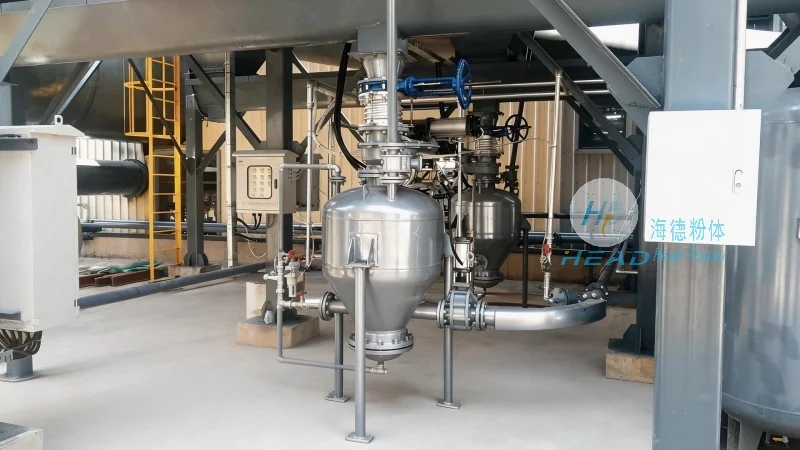
Third, the abrasive material pneumatic conveying systems are designed with durability and low maintenance in mind. The components, such as the hopper, feeder, and pipeline, are constructed from high-quality, wear-resistant materials like stainless steel or special alloys to withstand the constant impact and friction of abrasive grit. This reduces the frequency of repairs and replacements, leading to lower long-term operational costs. Additionally, the system's control mechanisms allow for precise regulation of air pressure and flow, ensuring consistent material transport rates and preventing overloading or underloading of the equipment.
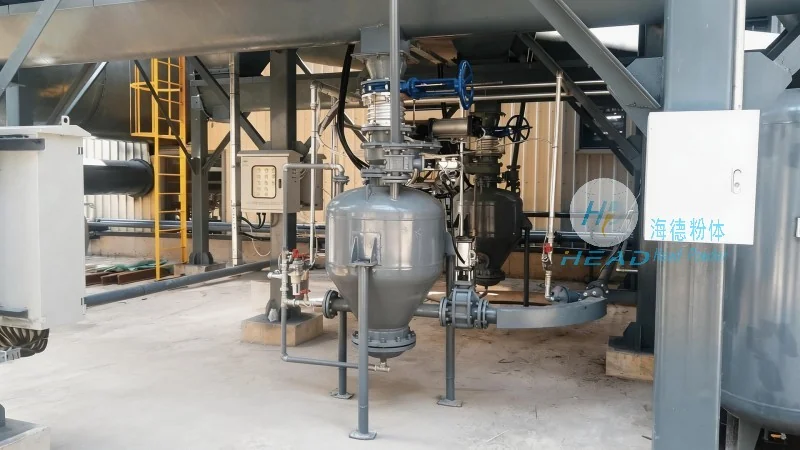
Application-Specific Design Considerations
When designing a pneumatic conveying system for abrasive grit, several factors must be carefully considered to optimize performance and longevity. The first is the material's properties, including its particle size distribution, density, and abrasiveness. These characteristics influence the choice of air pressure, pipeline diameter, and the type of feeder or hopper. For example, finer grit particles may require higher air velocities to prevent settling or blockages, while larger particles may need a larger pipeline diameter to maintain flow. The second consideration is the system's layout and the distance the material needs to travel. The length and number of bends in the pipeline affect the overall pressure drop and energy consumption, so a well-designed layout minimizes these factors to ensure efficient operation.
Conclusion and Company Expertise
HeadPowder Engineering Co., Ltd. is a trusted partner in providing reliable and efficient abrasive material pneumatic conveying systems. Our expertise lies in understanding the unique challenges of handling abrasive grit and designing solutions that meet the specific needs of our clients. By combining advanced engineering, high-quality materials, and meticulous attention to detail, we deliver systems that enhance productivity, improve safety, and reduce operational costs. Whether for new installations or upgrades to existing facilities, our pneumatic conveying systems offer a superior alternative to traditional conveying methods, ensuring smooth and sustainable material transport in industrial applications.




