Understanding the operation process and working principle of fermented grain powder conveying systems is crucial for optimizing production efficiency in the food and beverage industry, particularly in the production of fermented grain products. These systems are designed to handle the unique characteristics of fermented grain powders, which often involve high moisture content, variable particle sizes, and potential agglomeration. The efficient transfer of these materials from one processing stage to another is essential for maintaining product quality and reducing operational downtime.
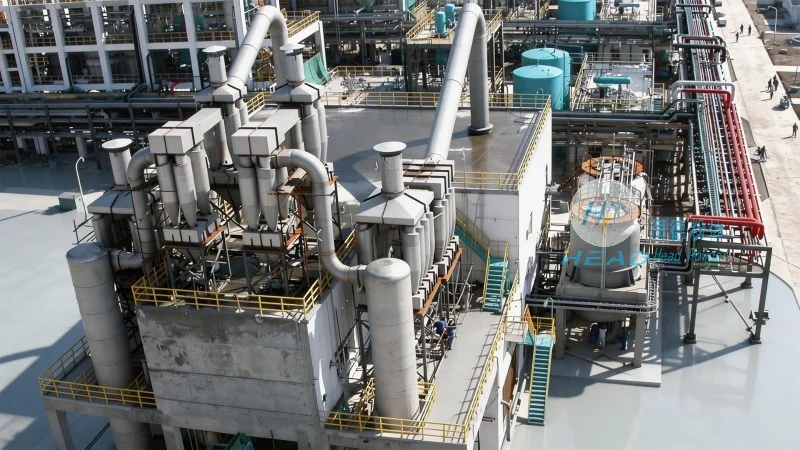
Key Components of Fermented Grain Powder Conveying Systems
The core components of a fermented grain powder conveying system typically include a hopper for material storage, a feeding mechanism to control the flow rate, a conveyor or transport device (such as a screw conveyor, pneumatic conveyor, or bucket elevator), and a control system to regulate the entire process. Each component plays a vital role in ensuring smooth and consistent material handling. The hopper is designed to accommodate the bulk storage of fermented grain powders, often with a sloped bottom to facilitate gravity-fed feeding. The feeding mechanism, which may include a rotary valve or a gate valve, ensures that the material is released at a controlled rate, preventing overloading of the conveyor. The conveyor itself is selected based on the material's properties; for example, a screw conveyor is suitable for handling powders with moderate moisture content and low to medium bulk density, while a pneumatic conveyor is ideal for fine powders that are prone to dust generation.
Operation Process of Fermented Grain Powder Conveying
The operation process of a fermented grain powder conveying system begins with the loading of the hopper. The fermented grain powder is typically fed into the hopper from a storage silo or a processing tank. Once the hopper is filled, the feeding mechanism starts to release the material at a predetermined rate. The material then flows into the conveyor, which transports it to the next processing stage, such as a mixing or packaging unit. The conveyor's speed and capacity are adjusted based on the production requirements to maintain a steady flow of material. During the conveying process, the system monitors parameters such as flow rate, pressure, and temperature to ensure that the material is being handled efficiently and without any blockages or damage. If any issues are detected, the control system will automatically adjust the feeding rate or stop the conveyor to prevent material degradation or equipment damage.
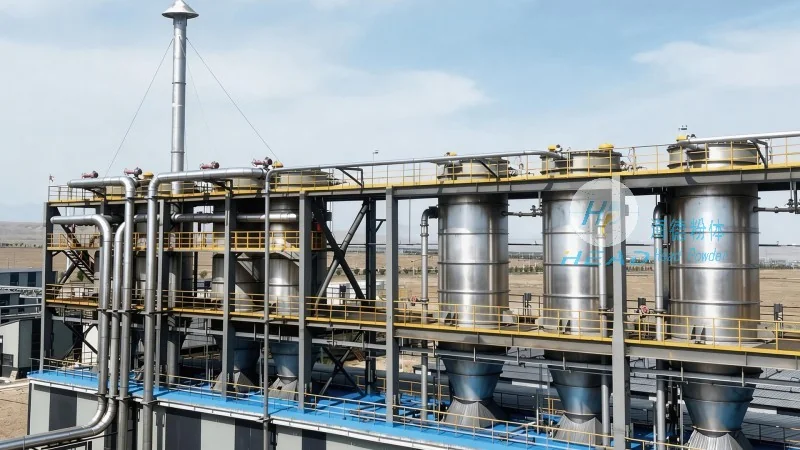
Working Principle of Fermented Grain Powder Conveying Systems
The working principle of fermented grain powder conveying systems relies on the principles of fluidization and mechanical transport. In pneumatic conveying systems, for example, the material is suspended in a stream of air and transported through a pipeline. The air velocity is carefully controlled to ensure that the powder particles remain suspended and do not settle or agglomerate. In mechanical conveying systems, such as screw conveyors, the material is moved by the rotation of a screw, which pushes the powder forward along the conveyor. The screw's pitch and diameter are designed to match the material's properties, ensuring that the powder is conveyed without excessive friction or pressure buildup. The control system plays a critical role in maintaining the stability of the conveying process by adjusting the air flow rate or the screw speed in real-time. This dynamic adjustment allows the system to handle variations in material feed rate or particle size, ensuring consistent performance.
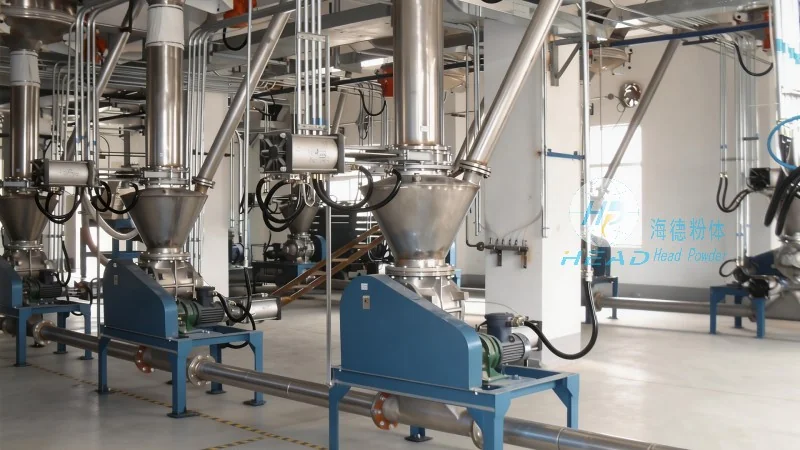
Benefits of Efficient Fermented Grain Powder Conveying
Efficient fermented grain powder conveying systems offer several benefits to manufacturers. Firstly, they improve production efficiency by reducing the time and labor required to transfer materials between processing stages. This leads to increased throughput and lower operational costs. Secondly, they enhance product quality by minimizing material handling-related issues such as agglomeration, moisture loss, or contamination. By maintaining consistent flow rates and temperatures, the system ensures that the fermented grain powder remains in optimal condition throughout the conveying process. Thirdly, they improve safety by reducing the need for manual handling of bulk materials, which can be heavy and dusty. The automated control system also minimizes the risk of accidents and equipment damage. Finally, these systems contribute to environmental sustainability by reducing waste and energy consumption through optimized material handling.
Company Information: Shandong HeadPowder Engineering Co., Ltd.
Shandong HeadPowder Engineering Co., Ltd. is a leading manufacturer of specialized conveying systems for fermented grain powders. With years of experience in the industry, the company has developed advanced solutions that cater to the unique challenges of handling fermented grain materials. The company's headquarters is located in Shandong, China, where it operates a state-of-the-art research and development facility. The company's team of engineers and technicians work closely with clients to understand their specific production needs and design customized conveying systems that meet their requirements. Shandong HeadPowder Engineering Co., Ltd. is committed to providing high-quality, reliable, and efficient conveying solutions that enhance the productivity and profitability of its clients' operations.




