When it comes to efficient material handling in industrial environments, the design and functionality of dust extraction stations play a crucial role. The material conveying system within these stations is a critical component that ensures the smooth transport of materials while maintaining air quality and operational safety. This article, presented by Shandong HeadPowder Engineering Co., Ltd. (commonly known as headpowder), delves into the working principle and key features of material conveying in dust extraction stations, highlighting how these systems contribute to overall industrial productivity and environmental compliance.
Understanding the Working Principle of Material Conveying in Dust Extraction Stations
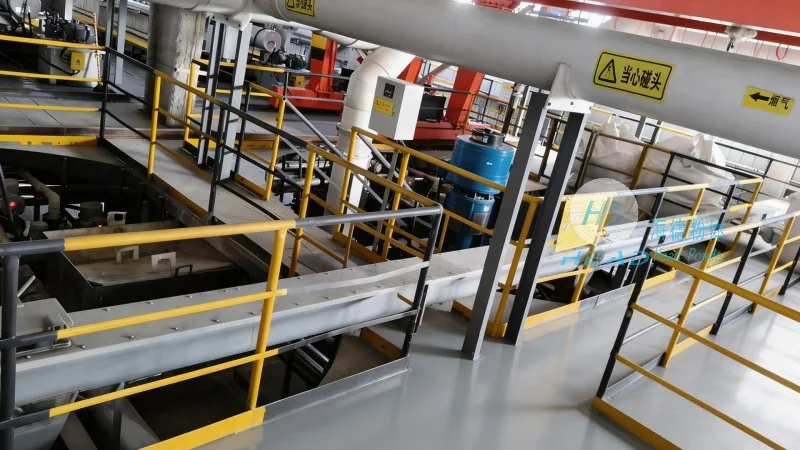
The material conveying system in dust extraction stations operates on the principle of transporting bulk materials from one location to another while simultaneously capturing and filtering airborne particles. The core components typically include a conveyor mechanism, dust collection equipment, and a control system. The process begins with the material being fed into the system, often through a hopper or loading chamber. From there, the material is moved along the conveyor path, which may consist of various types such as belt conveyors, screw conveyors, or pneumatic systems. Simultaneously, the dust extraction system captures any particulate matter generated during the conveying process, ensuring that the air is clean and safe for the surrounding environment.
The conveyor mechanism is designed to handle different types of materials, including powders, granules, and bulk solids. For example, belt conveyors are commonly used for transporting loose materials over short to medium distances, while screw conveyors are ideal for vertical or inclined transport. Pneumatic conveying systems, on the other hand, use air pressure to move materials through pipes, making them suitable for fine powders that are prone to clogging in mechanical systems. The choice of conveyor type depends on factors like material properties, required throughput, and the layout of the industrial facility.
The dust collection component is integrated with the conveying system to ensure that airborne contaminants are captured before they are released into the environment. This typically involves a filtration system, such as bag filters or cartridge filters, which traps the particles and allows clean air to be vented back into the workplace. The control system monitors the operation of both the conveyor and the dust collection equipment, ensuring that the system runs efficiently and safely. It may include sensors to detect material levels, conveyor speed, and air pressure, as well as alarms to alert operators of any issues that may arise.
Key Features of Material Conveying Systems in Dust Extraction Stations
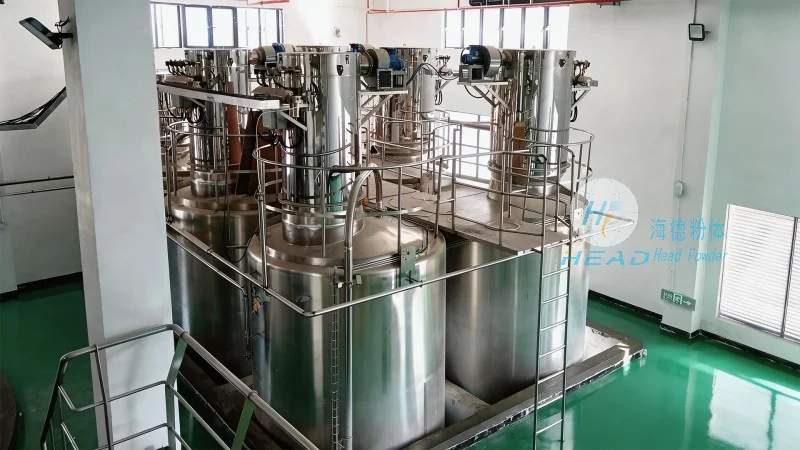
Material conveying systems in dust extraction stations are characterized by several key features that enhance their performance and reliability. One of the primary features is the integration of dust collection with the conveying process, which minimizes the risk of dust emissions and improves air quality. This integrated approach ensures that the system operates as a cohesive unit, rather than as separate components that may not work in harmony.
Another important feature is the ability to handle a wide range of materials, from fine powders to bulk solids. This versatility is achieved through the use of different conveyor types and adjustable settings, allowing the system to adapt to various industrial applications. For instance, a system may use a combination of belt and screw conveyors to handle both horizontal and vertical transport, ensuring that materials are moved efficiently regardless of the layout of the facility.
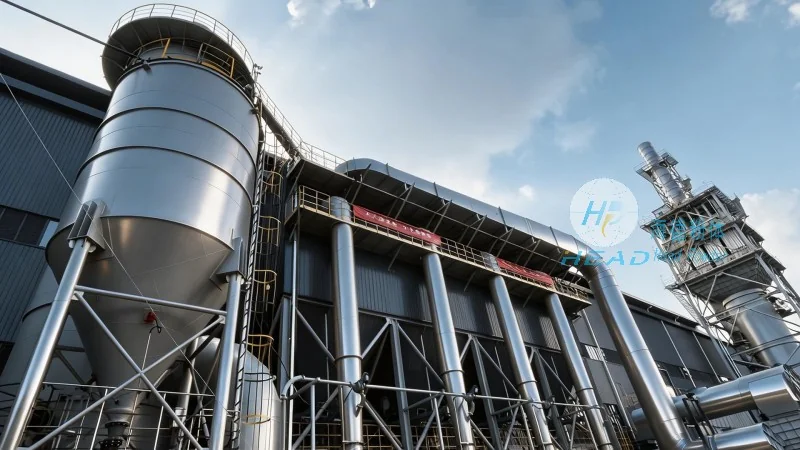
Efficiency and energy conservation are also critical features of modern material conveying systems. Advanced control systems and energy-efficient motors help reduce operational costs while maintaining high performance. Additionally, the use of materials that are resistant to wear and corrosion ensures a longer service life, reducing the need for frequent maintenance and replacement.
Reliability and safety are paramount in industrial applications, and material conveying systems in dust extraction stations are designed with these aspects in mind. The systems are equipped with safety features such as emergency stop buttons, overload protection, and automatic shut-off in case of blockages. These features help prevent accidents and ensure that the system operates safely even under challenging conditions. Furthermore, regular maintenance and monitoring are essential to keep the system running smoothly and to identify any potential issues before they become major problems.
Conclusion
In conclusion, the material conveying system in dust extraction stations is a sophisticated and essential component of industrial material handling. By understanding its working principle and key features, businesses can make informed decisions about the selection and implementation of these systems. The integration of dust collection, versatility in material handling, and emphasis on efficiency and safety make these systems a valuable investment for any industrial operation. As technology continues to advance, we can expect to see further improvements in material conveying systems, leading to even more efficient and sustainable industrial practices.




