For businesses involved in the processing and handling of soybean meal, an efficient material handling system is crucial for maintaining operational efficiency and product quality. The soybean meal material handling system, as offered by Shandong HeadPowder Engineering Co., Ltd., is a specialized solution designed to streamline the movement of this bulk material from storage to processing or packaging stages. This system integrates advanced engineering principles and robust components to ensure reliable and consistent performance in demanding industrial environments.
Working Principle of the Material Handling System
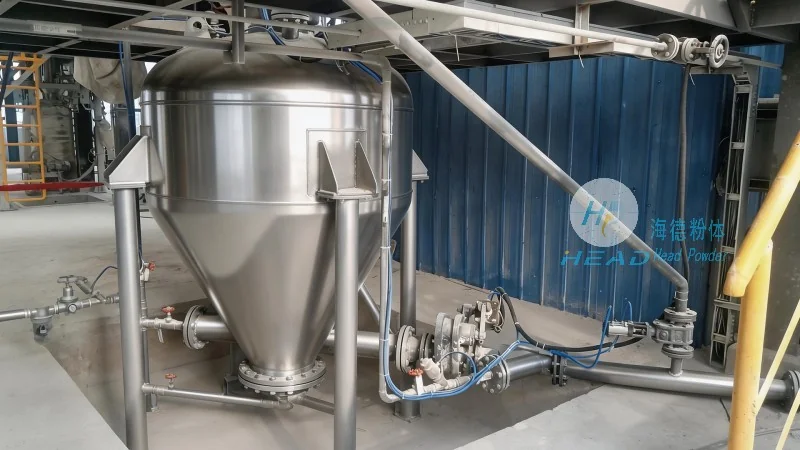
The core of the soybean meal material handling system is its integrated workflow, which typically begins with the storage of raw soybean meal in bulk silos or storage bins. From there, the material is transferred to the system's primary feeding mechanism, often a hopper or a rotary valve, which regulates the flow of material into the conveyor system. The system utilizes a combination of conveyor technologies, such as belt conveyors, screw conveyors, or pneumatic conveying systems, depending on the specific application and material characteristics. The belt conveyor, for instance, is commonly employed for horizontal and slight incline movements, while screw conveyors are ideal for vertical or inclined transport due to their ability to handle bulk materials with minimal spillage. Pneumatic conveying systems, on the other hand, use air pressure to transport the material through pipelines, offering a dust-free and enclosed solution for sensitive applications. The system's control panel, equipped with sensors and automation controls, monitors the flow rate, pressure, and other critical parameters to ensure smooth operation and prevent blockages or overloading. This automated control system allows for real-time adjustments, enhancing the system's adaptability to varying production demands.
Key Features and Advantages
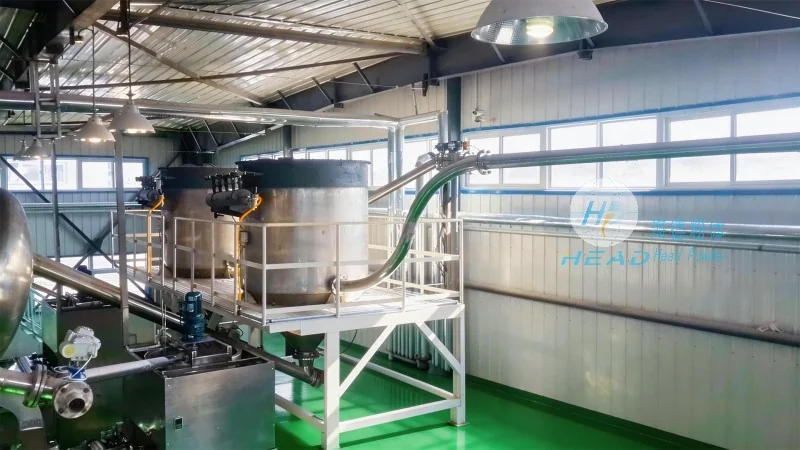
The soybean meal material handling system by Shandong HeadPowder Engineering Co., Ltd. is distinguished by several key features that contribute to its superior performance and reliability. Firstly, the system is designed with high durability and corrosion resistance, ensuring long-term operation in environments where soybean meal may contain moisture or other corrosive elements. The use of high-quality materials, such as stainless steel for contact parts and robust metal frames, minimizes wear and tear, reducing maintenance requirements and operational costs. Secondly, the system incorporates advanced sealing and dust control mechanisms, which are essential for maintaining a clean and safe working environment. These features prevent material spillage and dust emissions, adhering to environmental regulations and promoting workplace safety. Thirdly, the system is highly customizable, allowing it to be tailored to the specific needs of different production facilities. Whether it's a small-scale operation or a large industrial plant, the system can be configured with varying conveyor lengths, capacities, and control options to meet individual requirements. This flexibility makes it suitable for a wide range of applications, from feed mills to food processing plants. Additionally, the system is equipped with user-friendly control interfaces, enabling operators to easily monitor and adjust the system's performance without extensive training. The integration of sensors and alarms further enhances safety by detecting potential issues such as blockages or overloads, providing timely alerts to prevent equipment damage or production disruptions.
Operational Efficiency and Cost-Effectiveness
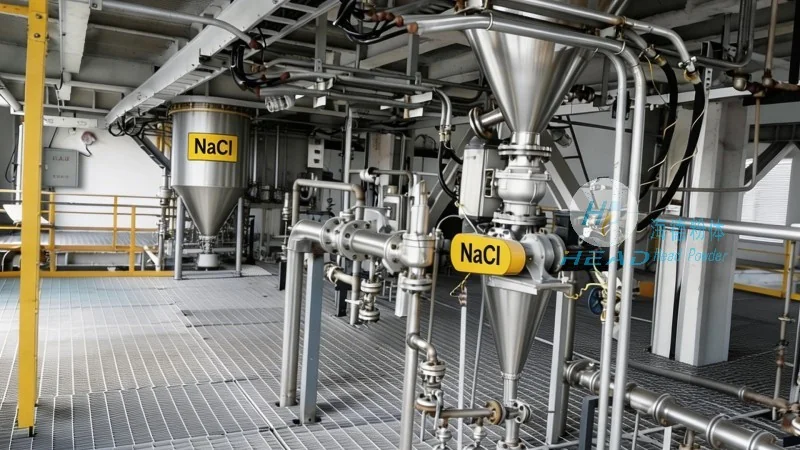
One of the primary benefits of the soybean meal material handling system is its ability to enhance operational efficiency and reduce costs. By automating the material handling process, the system minimizes the need for manual labor, reducing labor costs and the risk of human error. The consistent flow of material ensures that processing equipment operates at optimal capacity, preventing bottlenecks and maximizing production output. Furthermore, the system's low maintenance requirements and long service life contribute to significant cost savings over time. The use of durable components and preventive maintenance schedules helps to minimize downtime and repair expenses, ensuring that the system remains operational for extended periods. The system's energy-efficient design also contributes to lower operational costs, as it consumes minimal power while maintaining high performance. This combination of efficiency and cost-effectiveness makes the system an attractive investment for businesses looking to improve their material handling capabilities.




