Shandong HeadPowder Engineering Co., Ltd., commonly known as headpowder, is a leading manufacturer specializing in industrial conveying solutions. Based in Shandong, China, the company has established itself as a trusted provider of advanced pneumatic conveying systems, including those designed for the efficient handling of monosodium glutamate (MSG). This article explores the working principle and key features of such systems, highlighting their importance in modern industrial operations.
Working Principle of Monosodium Glutamate Pneumatic Conveying Systems
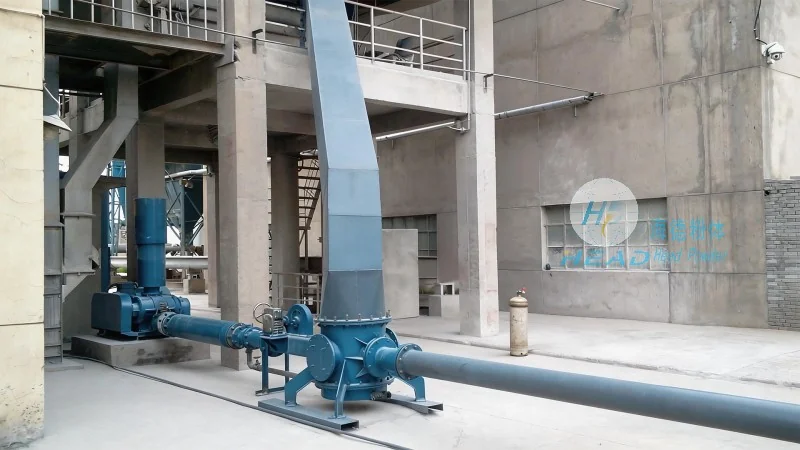
The core of a monosodium glutamate pneumatic conveying system lies in its ability to transport dry bulk materials, like MSG, using a combination of air and mechanical components. The system operates on the principle of fluidization, where the material is suspended and moved by an air stream. Typically, these systems can be categorized into two main types: positive pressure and negative pressure systems.
In a positive pressure system, air is forced from a central blower or compressor through the conveying line, carrying the MSG particles along. The air velocity is carefully controlled to ensure the material remains suspended without causing excessive wear on the system components. The system includes a feed hopper, which holds the MSG, and a rotary valve or feeder that controls the material flow into the pipeline. As the air flows through the pipeline, it transports the MSG to the destination, where a cyclone separator or filter captures the material and returns the air to the system or to the environment.
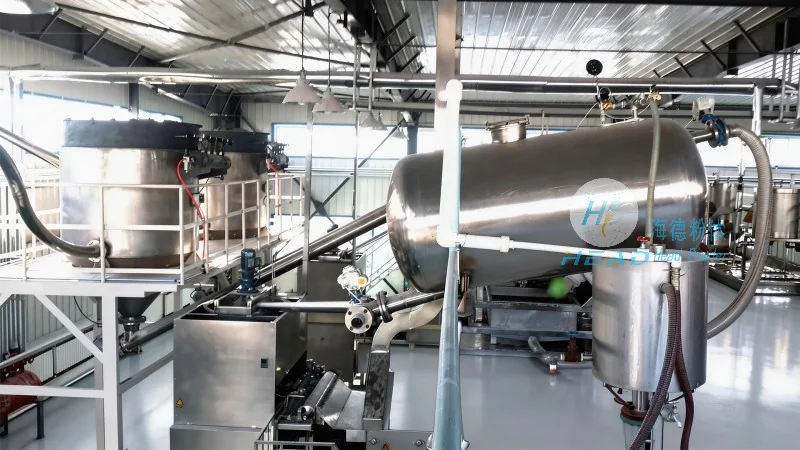
On the other hand, negative pressure systems draw air and material from the feed point using a vacuum pump. The material is drawn into the pipeline by the vacuum created, and the air is then filtered and possibly recirculated. Both systems are designed to handle the specific properties of MSG, such as its granular size, moisture content, and flow characteristics, ensuring efficient and reliable transport.
Key Features of Monosodium Glutamate Pneumatic Conveying Systems
Monosodium glutamate pneumatic conveying systems from headpowder are engineered with several key features that enhance performance and durability. One of the primary advantages is their high efficiency in material transport, as they can move large quantities of MSG over significant distances with minimal energy consumption compared to traditional methods like belt conveyors or bucket elevators.
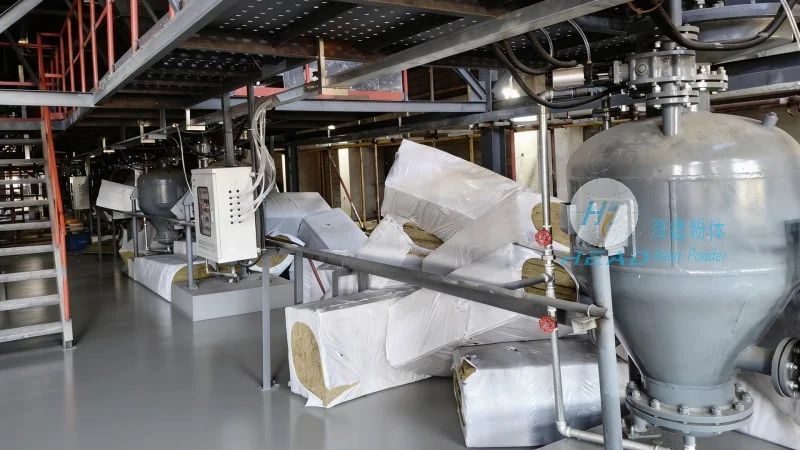
Reliability is another critical feature. The systems are built with robust components, including high-quality stainless steel or corrosion-resistant materials, to withstand the chemical properties of MSG and the abrasive nature of its particles. This ensures long service life and reduces maintenance downtime. Additionally, the design allows for easy cleaning and maintenance, with features like quick-release connections and accessible components that simplify routine checks and repairs.
Adaptability is a notable characteristic. The systems can be customized to handle different particle sizes, moisture levels, and flow rates, making them suitable for various applications in the food and chemical industries. For example, they can be configured to handle fine granules or larger chunks of MSG, depending on the specific processing requirements. The flexibility also extends to system integration, as they can be connected to existing production lines or new facilities without major modifications.
Environmental considerations are also addressed in the design. Modern systems incorporate advanced filtration and dust control measures to minimize emissions and comply with environmental regulations. This includes high-efficiency particulate air (HEPA) filters or cyclone separators that capture fine particles, preventing air pollution and ensuring a safe working environment for operators.
Applications and Benefits in Industrial Settings
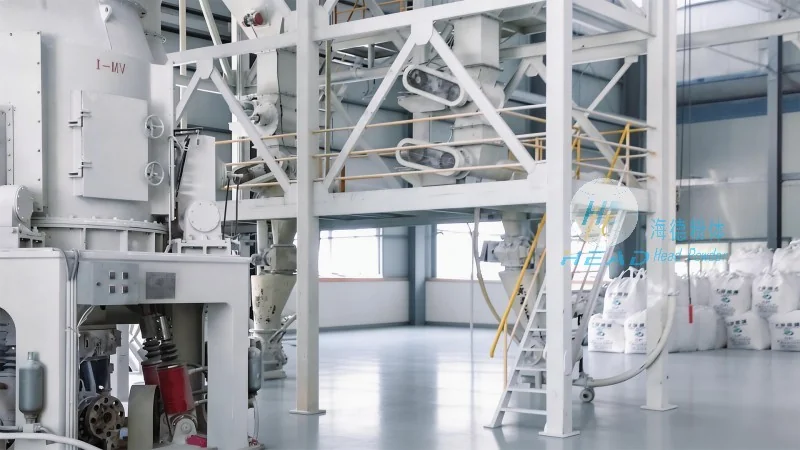
Monosodium glutamate pneumatic conveying systems are widely used in the food processing industry, particularly in the production of MSG and related food additives. They are also applicable in chemical manufacturing, where similar bulk materials are handled. The benefits of using these systems include improved safety, as there is no need for manual handling of the material, reduced risk of contamination, and enhanced product quality due to minimal exposure to air and moisture.
From a production perspective, the systems contribute to increased throughput and operational efficiency. By automating the material transport process, they reduce labor costs and minimize the risk of material loss or spillage. The consistent flow of MSG ensures that downstream processes, such as mixing or packaging, operate smoothly without interruptions. Furthermore, the systems help maintain product integrity by preventing segregation or agglomeration of the granules, which can affect the final product's quality and performance.




