For industries dealing with bulk materials like cement and aggregates, efficient material handling is crucial for operational efficiency and cost management. Pneumatic conveying systems offer a reliable solution to transport these materials over short to medium distances, ensuring minimal dust, reduced labor costs, and enhanced safety. This article explores the working principle and key features of such systems, highlighting how they contribute to streamlined material handling processes.
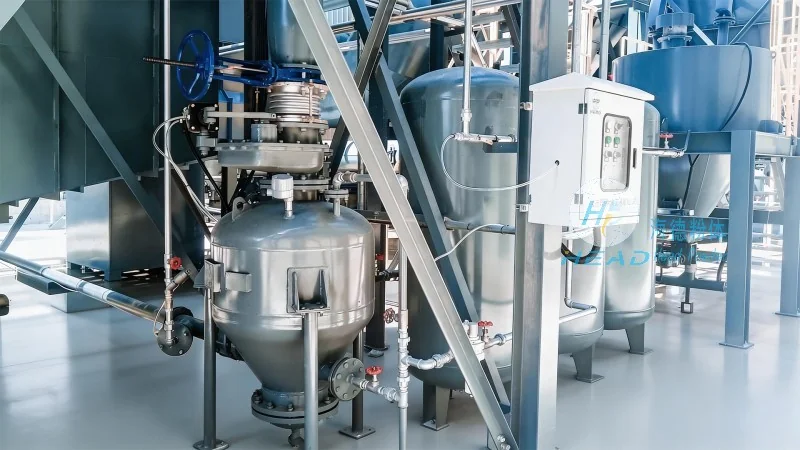
The Working Principle of Cement Aggregate Pneumatic Conveying Systems
At the core of a pneumatic conveying system is the use of air pressure to move bulk materials through a pipeline. The process typically involves a few key components: a material hopper or feeder, a conveying line, a dust separator or filter, and a receiver or discharge point. The system operates by creating a pressure differential between the inlet and outlet of the conveying line. Air is introduced into the system, often using a blower or compressor, which generates the necessary airflow to lift and transport the material particles. The material is drawn into the pipeline by the moving air, and as it travels, it is propelled towards the discharge point. The dust separator or filter is essential for maintaining air quality and preventing material buildup in the system, ensuring long-term operational efficiency.
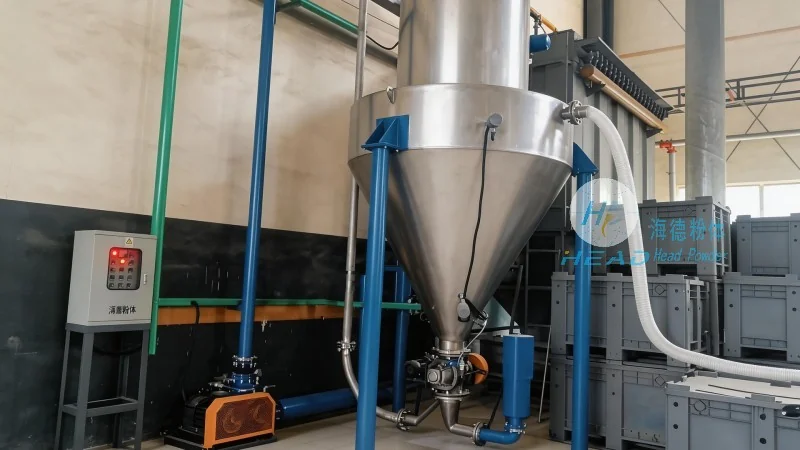
Key Features of Pneumatic Conveying Systems for Cement and Aggregates
Several distinct features make pneumatic conveying systems ideal for handling cement and aggregates. Firstly, they provide a dust-free environment, which is critical for maintaining workplace safety and compliance with environmental regulations. Unlike traditional belt or bucket elevators, pneumatic systems minimize dust generation, reducing the risk of respiratory issues and contamination. Secondly, these systems offer flexibility in layout, allowing for complex routing and integration with existing infrastructure. This adaptability is particularly valuable in industrial settings where space is limited or where material flow needs to be adjusted based on production demands. Thirdly, pneumatic conveying systems are capable of handling a wide range of material types and sizes, from fine powders to larger aggregates, making them versatile for various applications. The ability to transport materials at high speeds and over longer distances compared to other methods further enhances their efficiency. Additionally, these systems require less maintenance compared to mechanical alternatives, as they have fewer moving parts and are less prone to wear and tear. This reduces downtime and maintenance costs, contributing to overall operational savings.
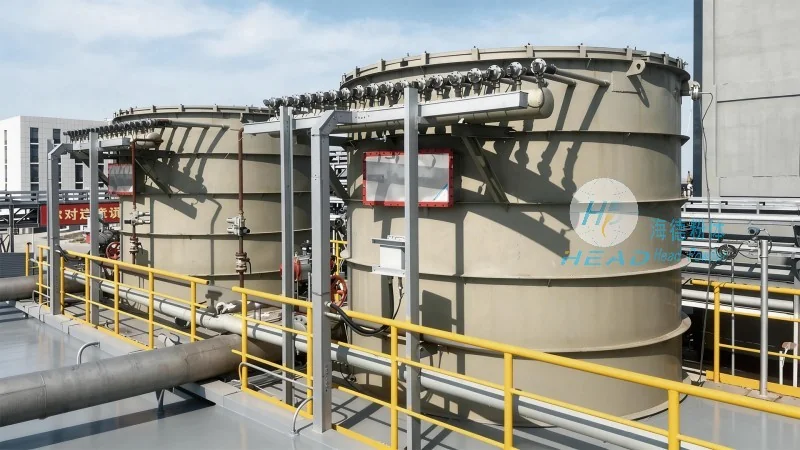
Applications and Benefits in Cement and Aggregate Industries
Pneumatic conveying systems are widely used in the cement and aggregate industries for various applications, including raw material transport from storage silos to production lines, finished product delivery to storage or packaging areas, and waste material removal. The benefits of using these systems extend beyond just material transport; they also contribute to improved product quality by reducing material degradation and contamination. For example, in cement production, pneumatic conveying ensures that raw materials like limestone and clay are delivered to the kiln without exposure to air, preventing premature hydration and maintaining the quality of the final product. Similarly, in aggregate processing, these systems help maintain the integrity of the material, ensuring that it remains free from dust and moisture, which can affect its performance in construction applications. The consistent and reliable transport provided by pneumatic systems also supports better inventory management, as materials are moved in a controlled manner, reducing the risk of stockouts or overstocking.
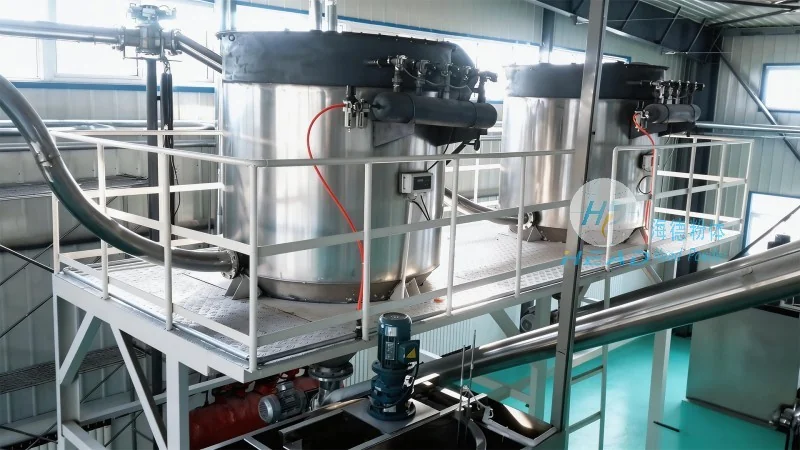
Company Overview: Shandong HeadPowder Engineering Co., Ltd.
Shandong HeadPowder Engineering Co., Ltd., operating under the brand name headpowder, specializes in the design, manufacturing, and installation of advanced material handling solutions, including pneumatic conveying systems for cement and aggregates. With a strong focus on innovation and customer-centric solutions, the company has established itself as a leading provider in the industry. HeadPowder’s expertise lies in understanding the unique challenges faced by cement and aggregate producers and developing tailored systems that meet their specific requirements. The company’s team of engineers and technicians work closely with clients to assess their material handling needs, provide customized system designs, and ensure seamless integration with existing operations. HeadPowder’s commitment to quality and reliability is reflected in its adherence to international standards and rigorous testing protocols, ensuring that every system delivered meets the highest performance and safety standards. The company’s facilities in Shandong, China, are equipped with state-of-the-art technology and equipment, enabling efficient production and timely delivery of systems to clients worldwide.




