Understanding the working principle and characteristics of dry soybean powder conveying is crucial for optimizing material handling processes in industrial settings. This article provides a detailed overview of the mechanisms involved and the key attributes that define effective dry soybean powder conveying systems.
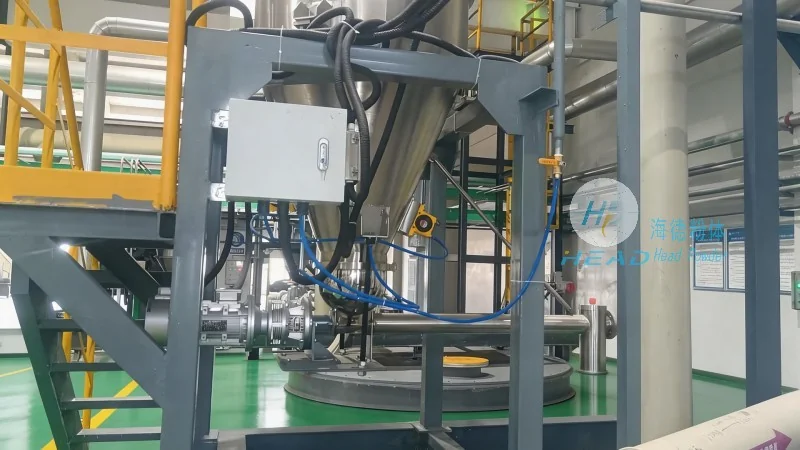
About HeadPowder Engineering Co., Ltd.
HeadPowder Engineering Co., Ltd., a leading provider of powder handling solutions, specializes in the design, manufacturing, and implementation of advanced conveying systems for various bulk materials, including dry soybean powder. With a strong presence in Shandong, China, the company leverages years of industry experience to deliver reliable and efficient solutions tailored to client needs.
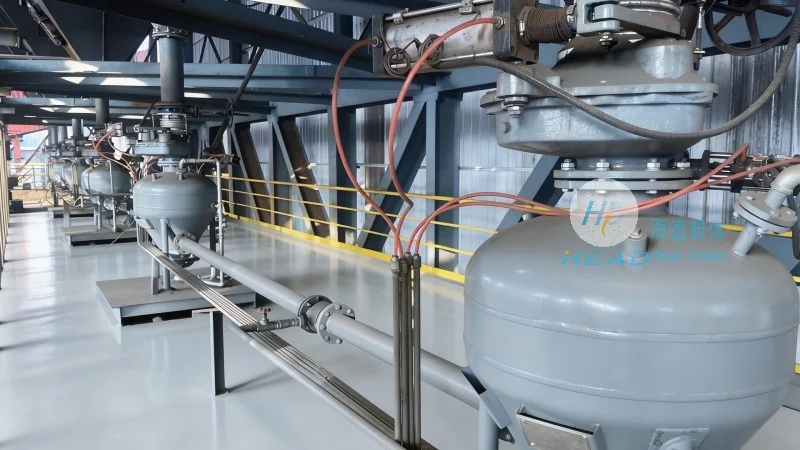
Working Principle of Dry Soybean Powder Conveying
The core working principle of dry soybean powder conveying involves the use of specialized equipment to transport dry soybean powder from one location to another. This process typically relies on mechanical systems such as screw conveyors, pneumatic conveyors, or bucket elevators, each designed to handle the unique properties of soybean powder. The conveying mechanism ensures that the powder is moved smoothly and efficiently, minimizing product degradation and ensuring consistent flow rates. For dry soybean powder, the choice of conveyor type depends on factors like particle size, moisture content, and the required conveying distance. Pneumatic conveyors, for instance, use air pressure to transport the powder through a pipeline, while screw conveyors utilize rotating screws to push the material forward. The working principle also incorporates considerations for material flow, such as the use of inclined or horizontal configurations to maintain optimal pressure and prevent clogging. By understanding these principles, operators can select the most suitable conveying system for their specific application, ensuring efficient and reliable material transport.
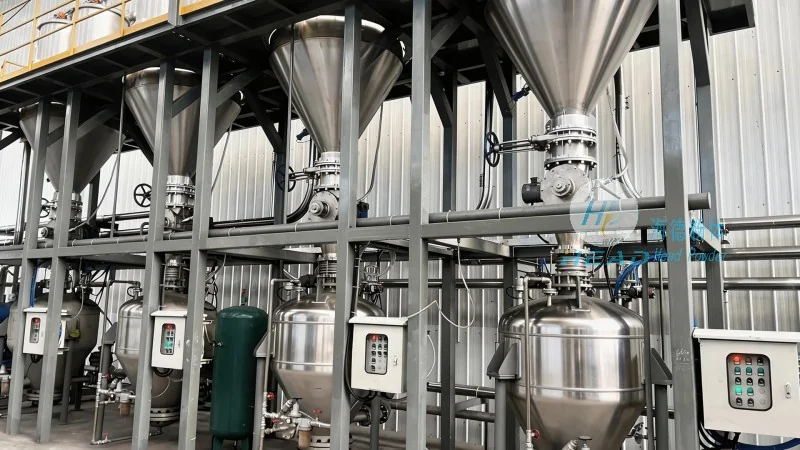
Key Characteristics of Dry Soybean Powder Conveying Systems
Dry soybean powder conveying systems exhibit several distinct characteristics that contribute to their effectiveness in industrial applications. One of the primary characteristics is the ability to handle fine, dry powders without causing segregation or agglomeration. This is achieved through the design of the conveyor components, which minimize friction and ensure uniform particle movement. Another important characteristic is the system's efficiency in terms of energy consumption and operational costs. Advanced conveying systems are engineered to use minimal power while maintaining high throughput, making them cost-effective for long-term use. Additionally, the systems are designed for durability and low maintenance, with robust materials and components that can withstand the abrasive nature of soybean powder over extended periods. The characteristics also include adaptability to varying production demands, allowing for flexible adjustments in conveying capacity based on operational needs. This adaptability is particularly valuable in industries where production volumes fluctuate. Furthermore, the systems are equipped with safety features to prevent dust explosions and ensure operator safety, aligning with industry standards and regulations. The combination of these characteristics makes dry soybean powder conveying systems a preferred choice for industries requiring reliable and efficient material handling solutions.
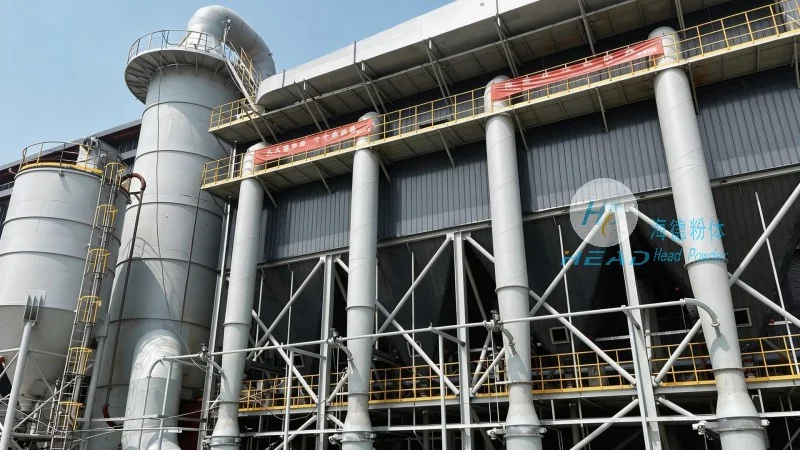
Applications and Benefits in Industrial Settings
Dry soybean powder conveying systems find extensive applications across various industries, including food processing, pharmaceuticals, and chemical manufacturing. In the food industry, these systems are critical for transporting soybean powder used in the production of soy milk, tofu, and other soy-based products. The ability to maintain product quality and prevent contamination is paramount, and the characteristics of dry soybean powder conveying systems address these concerns effectively. In pharmaceutical applications, the systems are used to convey raw materials and finished products, ensuring compliance with stringent quality and safety standards. The benefits of using such systems include improved product consistency, reduced downtime, and enhanced operational efficiency. For chemical manufacturers, the systems help in the handling of various powders, contributing to safer and more productive production environments. The overall benefits of implementing dry soybean powder conveying systems include increased productivity, reduced labor costs, and improved product quality. By leveraging the working principles and characteristics outlined, industries can optimize their material handling processes, leading to better outcomes and competitive advantages.




