

What is a Camellia Seed Powder Pneumatic Conveying System? And What Are Its Design Principles?
As a leading provider in the field of powder handling and pneumatic conveying solutions, Shandong HeadPowder Engineering Co., Ltd. specializes in developing customized systems tailored to the unique requirements of various industrial applications. With a strong focus on innovation and precision engineering, the company has established itself as a trusted partner for businesses seeking advanced material transport solutions. HeadPowder, as the company is commonly known, operates from its base in Shandong, China, leveraging local expertise and resources to deliver high-quality engineering services and products.
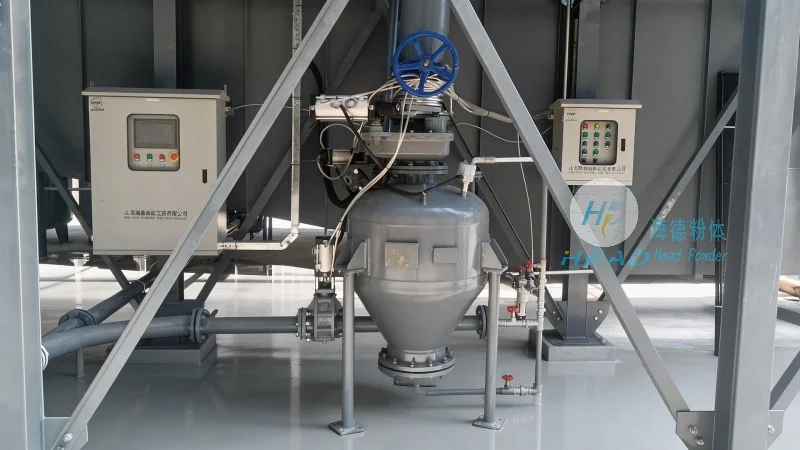
Overview of Camellia Seed Powder Pneumatic Conveying Systems
Pneumatic conveying systems are used to transport powders, granules, and other particulate materials through a pipeline using air or other gases. In the context of camellia seed processing, these systems are particularly valuable for moving camellia seed powder from storage silos, grinding units, or extraction equipment to subsequent processing stages such as filtration, packaging, or storage. The primary advantage of pneumatic conveying over traditional mechanical methods is its ability to handle materials without direct contact with mechanical components, reducing the risk of contamination and wear. This makes it an ideal choice for food and oil processing industries where product purity and equipment longevity are paramount.
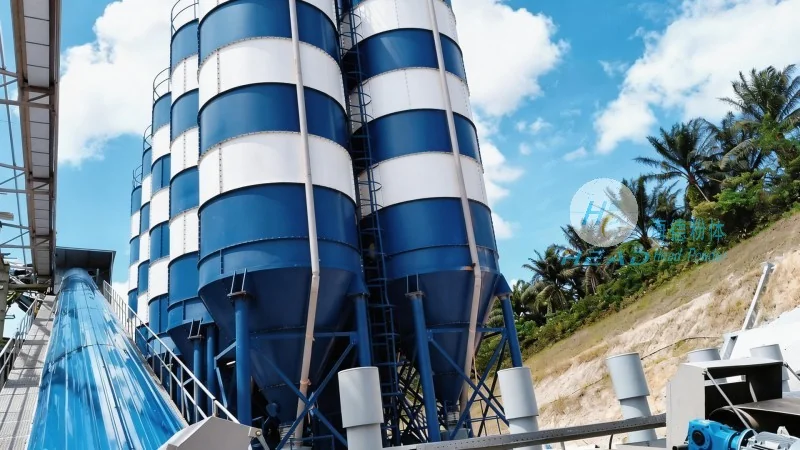
Design Principles of Pneumatic Conveying Systems for Camellia Seed Powder
The design of a camellia seed powder pneumatic conveying system involves several key principles aimed at ensuring efficient, reliable, and safe operation. The first principle is the selection of the appropriate conveying method, which can be categorized into positive pressure (pressure) systems and negative pressure (vacuum) systems. Positive pressure systems use a blower or compressor to force air and material through the pipeline, while negative pressure systems use a vacuum pump to draw material into the system. The choice between these methods depends on factors such as the distance to be covered, the volume of material to be conveyed, and the need for dust control. For camellia seed powder, positive pressure systems are often preferred due to their ability to handle higher material loads and provide better control over the conveying process.
Another critical design principle is the determination of the air-to-solid ratio (ASR), which is the ratio of the volume of air to the volume of material being conveyed. The ASR is a key parameter that affects the system's efficiency and energy consumption. A higher ASR generally results in lower energy costs but may require larger duct sizes and more powerful air movers. Conversely, a lower ASR can reduce duct size and energy use but may increase the risk of material clogging or degradation. For camellia seed powder, an optimal ASR is typically determined through testing and simulation to balance efficiency, cost, and material handling requirements.
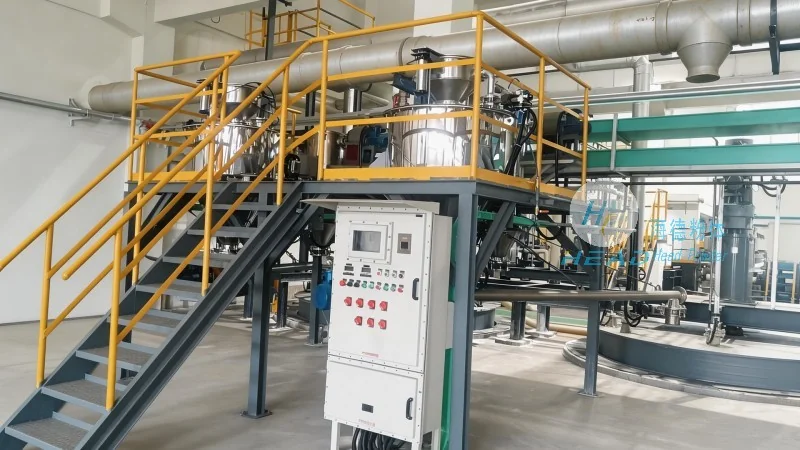
Furthermore, the design must consider the material characteristics of camellia seed powder, including its particle size distribution, moisture content, and flowability. These properties influence the selection of components such as feeders, separators, and filters. For example, if the powder has a wide particle size range, a rotary valve or screw feeder may be used to ensure consistent material flow. If the powder is prone to agglomeration, a fluidizer or vibratory feeder may be incorporated to improve its flow characteristics. The system's design also includes provisions for dust collection and filtration to maintain air quality and comply with environmental regulations. This typically involves the use of cyclone separators, bag filters, or electrostatic precipitators, depending on the specific requirements of the application.