

What is a Styrene Powder Pneumatic Conveying System? What are its Design Principles?
Styrene powder pneumatic conveying systems are specialized industrial equipment designed to transport styrene powder efficiently and safely. As a key component in the polymer and chemical industries, these systems play a crucial role in material handling processes. The design principles behind such systems are intricate, balancing various factors like material properties, system efficiency, and operational safety. This article explores the fundamental aspects of styrene powder pneumatic conveying systems, detailing their design principles and the technical considerations that ensure optimal performance.
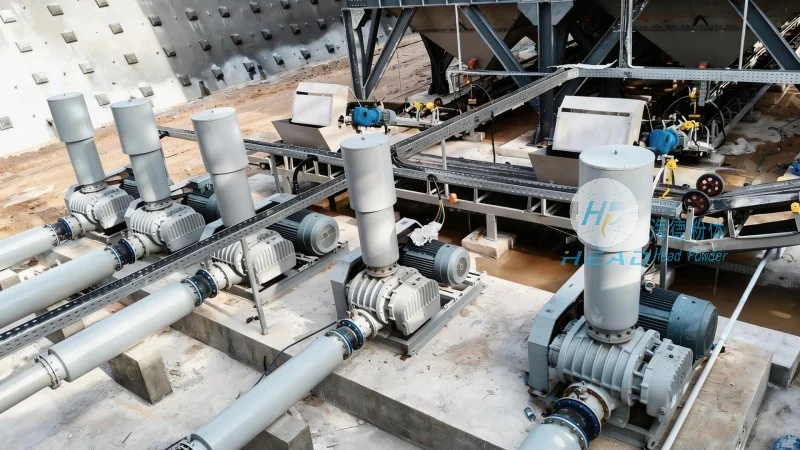
Understanding Styrene Powder Pneumatic Conveying Systems
Styrene powder, a common raw material in the production of polystyrene and other polymer products, requires reliable and efficient transportation methods to move from storage to processing units. Pneumatic conveying systems offer a solution by utilizing air as the conveying medium to transport the powder through pipelines. These systems are particularly advantageous for styrene powder due to its fine particle size and potential for static electricity, which can pose challenges in traditional mechanical conveying methods.
Key Components of a Styrene Powder Pneumatic Conveying System
The design of a styrene powder pneumatic conveying system involves several critical components that work in tandem to ensure smooth operation. These components include the hopper or feeder, which feeds the powder into the system; the air compressor or blower that generates the air flow; the conveying pipeline, which transports the powder; and the receiver or discharge unit where the material is collected. Each component must be carefully selected and integrated to handle the specific characteristics of styrene powder, such as its density, flowability, and potential for agglomeration.
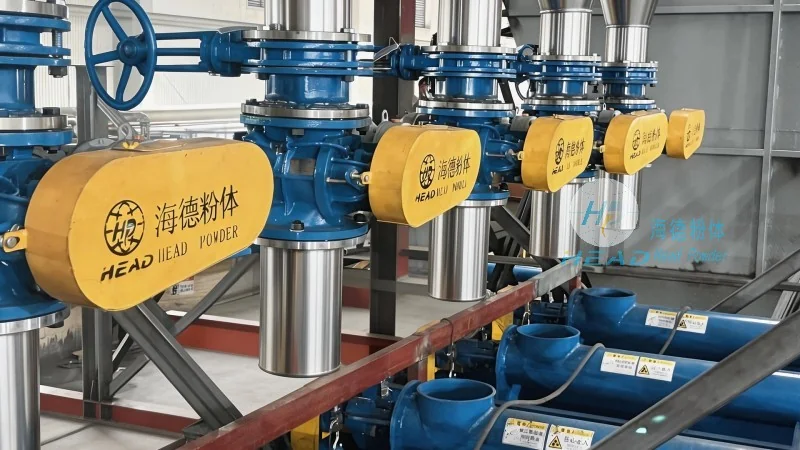
Design Principles for Efficient Material Handling
The design principles of styrene powder pneumatic conveying systems focus on maximizing efficiency while minimizing operational risks. One key principle is the selection of appropriate air velocity, which must be high enough to entrain the powder particles but low enough to prevent excessive pressure drops and energy consumption. The system's design also considers the potential for powder degradation or contamination, as styrene powder can be sensitive to moisture and temperature changes. Proper sealing and insulation of the conveying lines are essential to maintain material integrity and prevent cross-contamination.
HeadPowder's Expertise in Pneumatic Conveying Solutions
Shandong HeadPowder Engineering Co., Ltd., a leading provider of industrial material handling solutions, specializes in designing and manufacturing customized pneumatic conveying systems for various powder materials, including styrene. With years of experience in the industry, HeadPowder understands the unique challenges associated with handling styrene powder and has developed advanced solutions to address them. The company's engineering team employs cutting-edge technology and rigorous testing protocols to ensure that each system meets the highest standards of performance and reliability. HeadPowder's commitment to quality and customer satisfaction has made it a trusted partner for businesses in the polymer and chemical sectors.
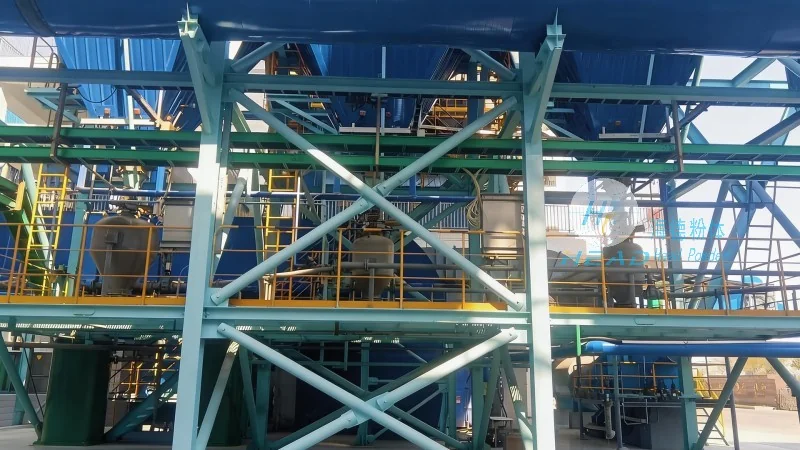
Advantages of Pneumatic Conveying for Styrene Powder
Pneumatic conveying systems offer several advantages over traditional mechanical conveying methods for styrene powder. These include reduced material degradation due to minimal contact with equipment, lower risk of dust explosions through proper explosion-proof design, and the ability to handle powders with high moisture content or abrasive properties. Additionally, pneumatic systems can be easily integrated with existing production lines, allowing for seamless material flow and improved overall operational efficiency. The flexibility of these systems also enables them to adapt to changing production demands, making them a versatile choice for modern industrial applications.
Conclusion: The Importance of Well-Designed Pneumatic Conveying Systems
In conclusion, styrene powder pneumatic conveying systems are essential for efficient and safe material handling in the polymer industry. The design principles behind these systems, which prioritize material properties, system efficiency, and operational safety, are critical to their success. Companies like Shandong HeadPowder Engineering Co., Ltd. play a vital role in providing tailored solutions that meet the specific needs of their clients. By investing in well-designed pneumatic conveying systems, businesses can enhance their production processes, reduce operational costs, and ensure the quality of their final products. The continued development and application of such systems will remain crucial as the industry evolves, driving innovation and efficiency in material handling.