For industries dealing with synthetic rubber, selecting the right conveying method is crucial for efficiency, safety, and material integrity. Synthetic rubber, used in a wide range of applications from automotive parts to medical devices, requires specialized handling due to its properties like elasticity, temperature sensitivity, and potential dust generation. Traditional methods such as belt conveyors or screw conveyors may not always be suitable for this material, leading to challenges like material degradation, contamination, or operational inefficiencies. This article explores common synthetic rubber conveying methods, with a focus on the advantages and applications of pneumatic conveying systems.
Understanding Synthetic Rubber and Conveying Challenges
Synthetic rubber, derived from petrochemicals or polymerization processes, is known for its versatility and durability. However, its handling demands careful consideration. Unlike bulk solids like grains or minerals, synthetic rubber can be sticky, prone to static electricity, and sensitive to temperature fluctuations. These characteristics make conventional bulk material handling equipment less effective. For example, belt conveyors may cause rubber pieces to stick or slip, while screw conveyors can generate excessive heat, degrading the material's properties. Additionally, the fine particles or dust from synthetic rubber can create health hazards and require specialized filtration systems. Therefore, understanding the unique properties of synthetic rubber is essential before choosing a conveying method.
Common Synthetic Rubber Conveying Methods
Several methods are used to transport synthetic rubber, each with its own advantages and limitations. The most common approaches include:
- Belt Conveyors: These are widely used for transporting bulk materials, including synthetic rubber. Belt conveyors are cost-effective and can handle large volumes. However, they may not be ideal for fine powders or sticky rubber, as the material can adhere to the belt or cause blockages. Regular maintenance is required to prevent material buildup and ensure smooth operation.
- Screw Conveyors: Screw conveyors use a rotating screw to move material along a tube. They are suitable for handling granular or pelletized synthetic rubber. However, they can generate heat due to friction, which may affect the material's temperature-sensitive properties. Additionally, the design may not be suitable for very fine powders, as they can get trapped in the screw threads.
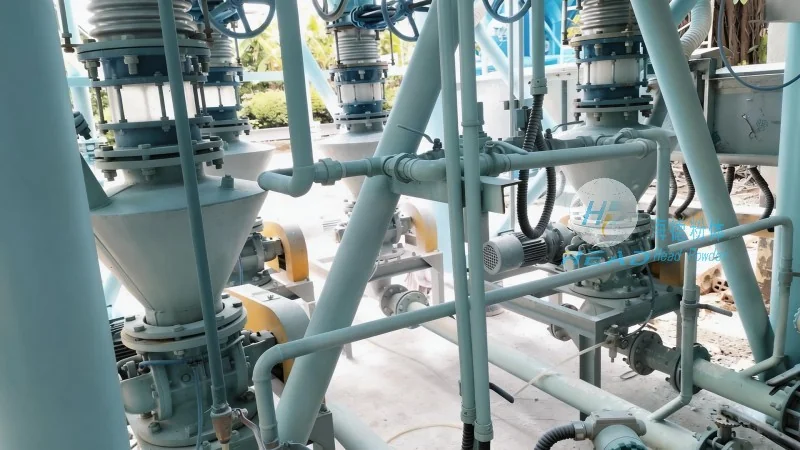
- Pneumatic Conveying: This method uses air pressure to transport synthetic rubber particles through a pipeline. It offers advantages such as minimal material degradation, no mechanical contact, and the ability to handle fine powders and sticky materials. Pneumatic systems can be designed for both low and high-pressure applications, making them versatile for different material types and process requirements.
An Introduction to Synthetic Rubber Pneumatic Conveying
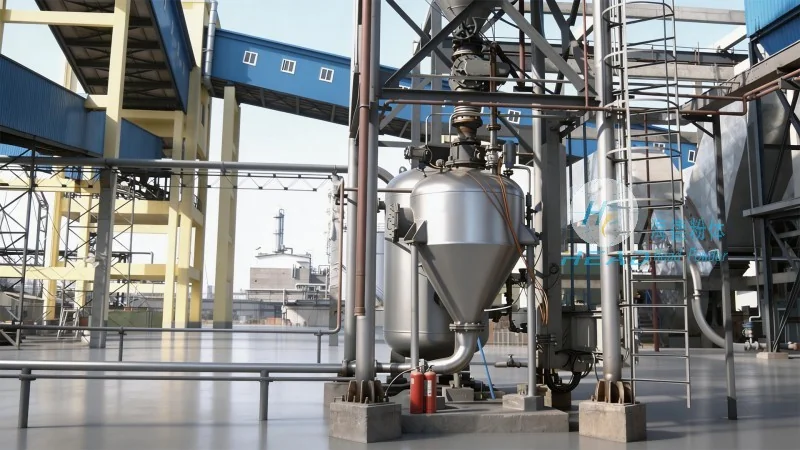
Pneumatic conveying, also known as air conveying, is a popular choice for synthetic rubber due to its ability to handle delicate materials without damage. The system typically consists of a hopper, a blower or compressor, and a pipeline. The synthetic rubber is fed into the hopper, and air is introduced to create a flow that moves the material through the pipeline to the destination. There are two main types of pneumatic conveying: pressure and vacuum systems. Pressure systems use compressed air to push the material forward, while vacuum systems use a vacuum to pull the material. For synthetic rubber, pressure systems are often preferred as they provide better control over material flow and can handle higher volumes.
The advantages of pneumatic conveying for synthetic rubber include:
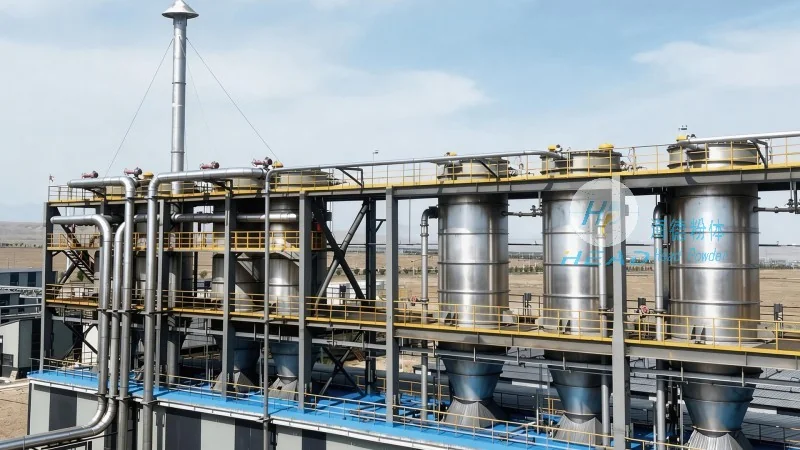
- Minimal Material Degradation: Since the material is not in direct contact with mechanical parts, there is less risk of abrasion or heat damage.
- Reduced Contamination: Pneumatic systems can be designed with enclosed pipelines, preventing contamination from external sources and maintaining the purity of the synthetic rubber.
- Efficient Handling of Fine Powders: Unlike screw or belt conveyors, pneumatic systems can effectively transport fine rubber powders without clogging or loss.
- Flexibility in Layout: The pipeline design allows for flexible system layouts, enabling the conveyance of materials over long distances or around obstacles.
Key Considerations for Synthetic Rubber Pneumatic Conveying
When implementing a pneumatic conveying system for synthetic rubber, several factors must be considered to ensure optimal performance:




