Coal ash, a byproduct of coal combustion in power plants and industrial facilities, presents unique handling and transportation challenges. Efficient and reliable conveying systems are critical to ensure safe, cost-effective management of this material. Among the various methods available, pneumatic conveying stands out as a versatile and effective solution for transporting coal ash particles. This article explores common coal ash particle conveying methods, with a focus on the advantages and applications of pneumatic conveying technology, as presented by Shandong HeadPowder Engineering Co., Ltd., a leading provider in the field.
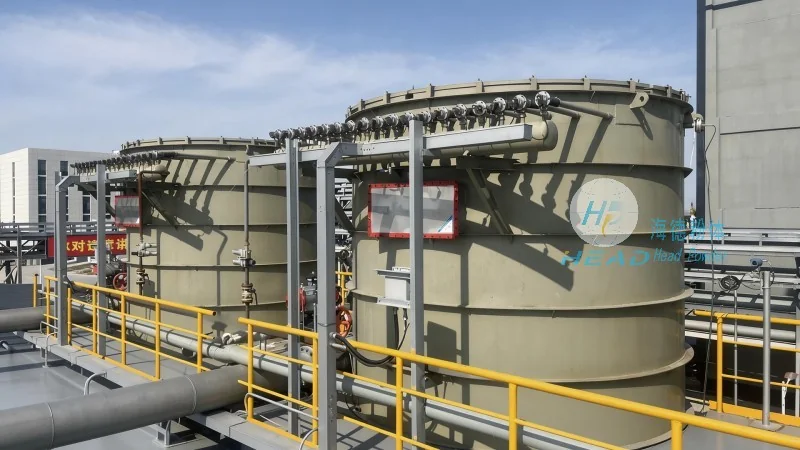
Challenges in Coal Ash Particle Conveying
Coal ash particles vary in size, density, and moisture content, which can significantly impact traditional conveying systems. For example, dry ash with fine particles may experience dusting and clogging in mechanical systems like belt or screw conveyors. Additionally, the abrasive nature of coal ash can lead to equipment wear and increased maintenance costs. These challenges underscore the need for specialized conveying solutions that can handle the material's unique characteristics while ensuring operational efficiency and safety.
Pneumatic Conveying: A Versatile Solution for Coal Ash Handling
Pneumatic conveying, or air conveying, uses pressurized or vacuum air to transport solid particles through a pipeline. This technology offers several advantages for coal ash handling, including long-distance transport, compatibility with a wide range of particle sizes and densities, and a closed system to prevent dust emissions. Shandong HeadPowder Engineering Co., Ltd. specializes in designing and manufacturing pneumatic conveying systems tailored to coal ash applications, ensuring optimal performance and reliability.
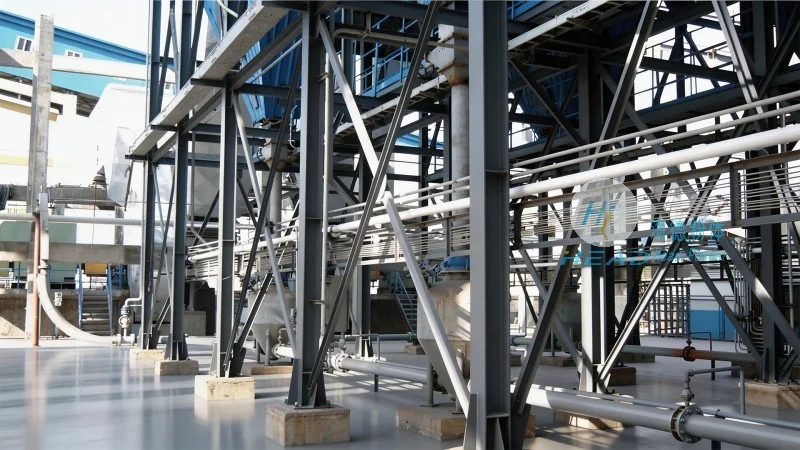
Types of Pneumatic Conveying Systems for Coal Ash
Two primary pneumatic conveying types are used for coal ash: positive pressure and negative pressure. Positive pressure systems employ a blower or compressor to push air and particles through the pipeline, suitable for short to medium distances and high volumes. Negative pressure systems use a vacuum to draw particles into the pipeline, ideal for long-distance transport and dust control. Both systems can be customized with cyclone separators, filters, and feeders to enhance efficiency and reduce maintenance.
Key Components of a Coal Ash Pneumatic Conveying System
A typical system includes a material feeder (ensuring consistent flow), conveying line (transporting particles), and receiver (collecting material). Additional components like cyclone separators and air compressors improve performance. Shandong HeadPowder Engineering Co., Ltd. integrates these components into cohesive solutions, optimizing coal ash conveying processes.
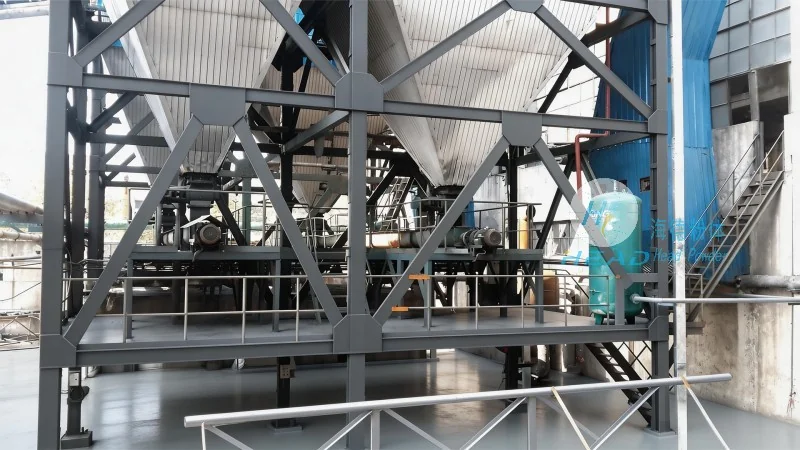
Advantages of Pneumatic Conveying for Coal Ash
Compared to mechanical systems, pneumatic conveying offers key benefits: closed systems reduce dust emissions, handle diverse particle properties, enable long-distance transport without intermediate points, and are more energy-efficient. These advantages make it an attractive option for coal ash handling in power plants and industrial facilities.
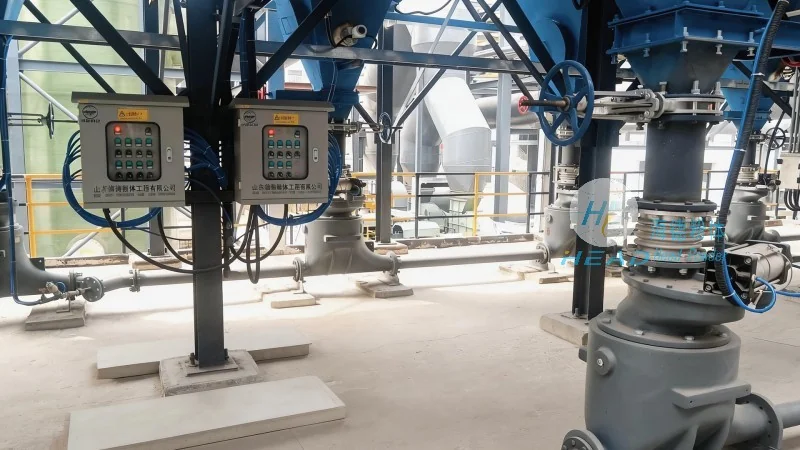
Applications of Coal Ash Pneumatic Conveying
Pneumatic systems are widely used in power plants to transport ash from boilers to storage or disposal sites. In industrial settings, they convey ash from processing equipment to waste management areas. Recycling applications also utilize these systems to process ash for reuse as building materials. Shandong HeadPowder Engineering Co., Ltd. has successfully implemented such systems in numerous projects, demonstrating real-world effectiveness.
Conclusion: Choosing the Right Conveying System for Coal Ash
When selecting a conveying system, facility managers must consider material characteristics, transport distance, and environmental requirements. Pneumatic conveying, with the expertise of Shandong HeadPowder Engineering Co., Ltd., provides a reliable, efficient solution. By understanding the challenges and advantages of different methods, stakeholders can make informed decisions for safe, cost-effective, and environmentally responsible coal ash management. With its commitment to quality and innovation, Shandong HeadPowder Engineering Co., Ltd. continues to deliver advanced conveying solutions for the evolving needs of the coal ash industry.




