

What is a Grain and Bulk Material Pneumatic Conveying Machine? And What Are Its Design Principles?
Grain and bulk material pneumatic conveying machines are essential equipment in modern material handling systems, designed to transport dry, free-flowing bulk materials like grains, powders, and other granular substances through a pipeline using air pressure or vacuum. These machines offer a clean, efficient, and flexible solution for moving materials over short to medium distances, making them a preferred choice in industries such as agriculture, food processing, and chemical manufacturing.
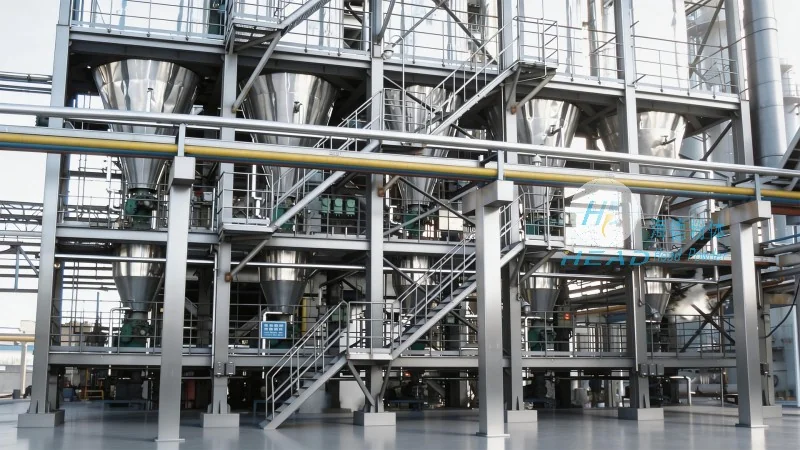
HeadPowder, a leading manufacturer based in Shandong, China, specializes in the design, development, and production of advanced pneumatic conveying systems tailored to meet the diverse needs of various industries. With years of experience and a commitment to innovation, HeadPowder provides high-quality solutions that ensure reliable and efficient material transport while maintaining product integrity.
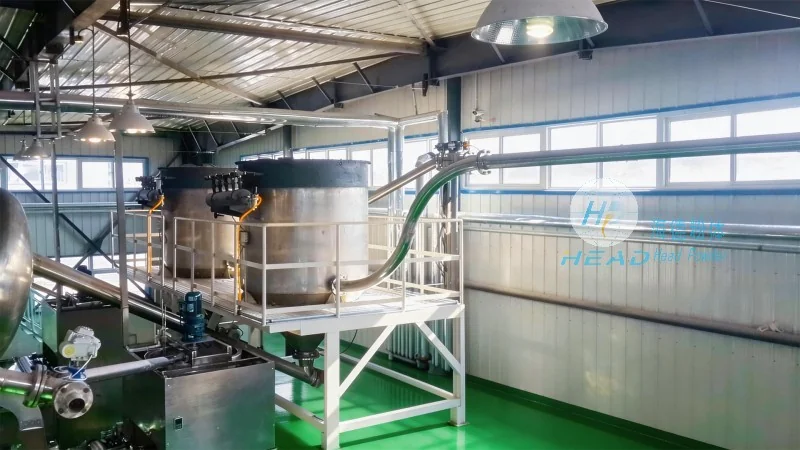
Working Principle of Pneumatic Conveying Systems
A pneumatic conveying machine operates by creating a flow of air within a pipeline, which then transports the material from the source to the destination. The system typically consists of several key components, including a material hopper, a conveying line, a blower or vacuum pump, and a discharge outlet. The material is fed into the hopper and then drawn or pushed into the conveying line by the air flow generated by the blower. The air velocity is carefully controlled to ensure that the material particles are suspended and transported smoothly without causing blockages or degradation.
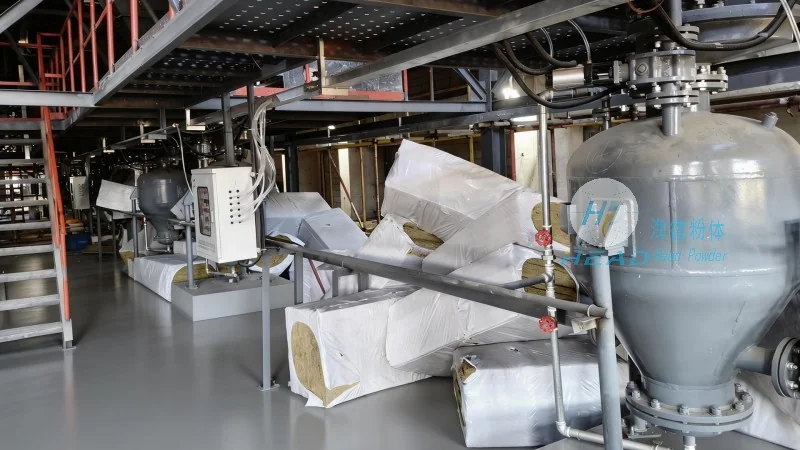
Design Principles and Key Considerations
The design of a grain and bulk material pneumatic conveying machine involves several critical factors to ensure optimal performance and efficiency. First, the material characteristics, such as particle size, density, and flowability, must be considered to determine the appropriate air velocity and pressure requirements. The conveying line diameter and length are also crucial, as they directly impact the system's capacity and energy consumption. Additionally, the system must be designed to handle variations in material load and maintain consistent flow rates. HeadPowder's engineers utilize advanced computational fluid dynamics (CFD) and material flow analysis to optimize the design, ensuring that the system operates at peak efficiency while minimizing energy losses and wear on components.
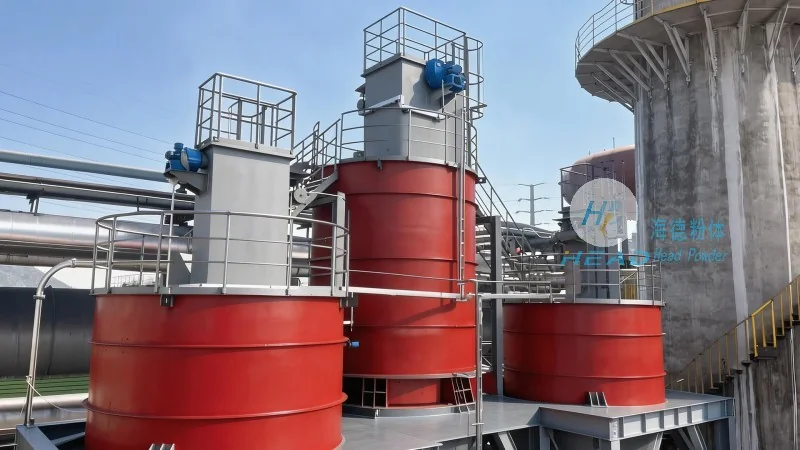
Advantages of Pneumatic Conveying Machines
Compared to traditional mechanical conveyors, pneumatic conveying machines offer several advantages. They provide a dust-free and hygienic environment, which is particularly important in food processing and pharmaceutical industries where product contamination must be avoided. The system is also flexible, allowing for easy integration with existing production lines and the ability to change the conveying route as needed. Furthermore, pneumatic conveying can handle materials with high moisture content or those that are prone to clumping, as the air flow helps to break up agglomerates and maintain a consistent flow. HeadPowder's machines are designed with these advantages in mind, ensuring that they deliver reliable performance and long service life.