Water-in-powder material handling equipment is a specialized system designed to efficiently transport and manage powders that are mixed with water, often referred to as "water-in-powder" or "wet powder" materials. This technology is widely used in various industrial applications where precise control over powder flow and moisture content is critical. The equipment operates by combining water and dry powder in a controlled manner, ensuring uniform mixing and stable transport properties. Understanding the underlying principles and typical working scenarios of such equipment is essential for optimizing operational efficiency and maintaining product quality in industrial processes.
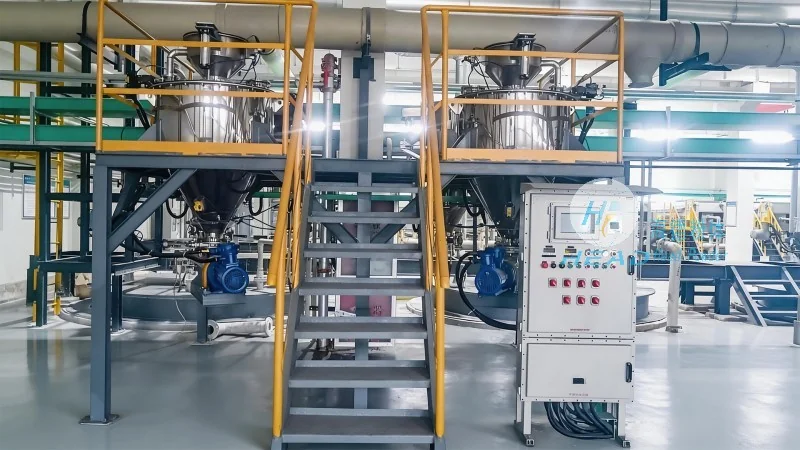
Core Principle of Water-in-Powder Material Handling
The fundamental principle of water-in-powder material handling equipment revolves around the dynamic mixing of dry powder and water to create a slurry or semi-liquid mixture. This process involves several key components and mechanisms that work in tandem to achieve consistent material properties. The equipment typically includes a feeding system for dry powder, a water injection system, and a mixing chamber where the two components are combined. The mixing process is often driven by mechanical agitation, such as paddles or impellers, which ensures thorough blending and prevents segregation of the powder and water. The resulting mixture has improved flow characteristics compared to dry powders alone, reducing issues like caking, bridging, and dust generation. This principle is particularly important in industries like pharmaceuticals, food processing, and chemical manufacturing, where the uniformity of the powder-water mixture directly impacts the final product quality.
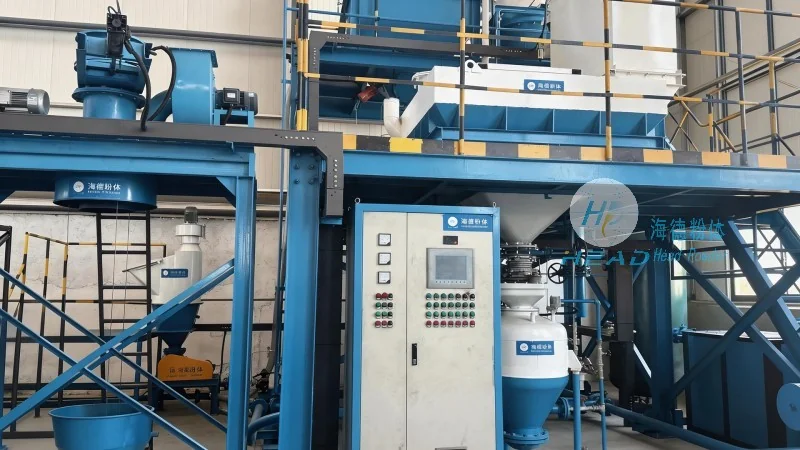
Working Scene Characteristics and Application Scenarios
The working scene characteristics of water-in-powder material handling equipment vary based on the specific industrial application and the nature of the materials being handled. In pharmaceutical manufacturing, for example, such equipment is used to transport and mix active pharmaceutical ingredients (APIs) with excipients, ensuring precise dosage and consistent product characteristics. The controlled environment and hygienic design of the equipment are crucial in this sector to maintain compliance with regulatory standards. In the food industry, water-in-powder systems are employed for handling powdered foods like milk powders, cocoa, or protein powders, where moisture control is vital to prevent spoilage and maintain nutritional value. The equipment's ability to handle sensitive materials without degradation is a key advantage in these applications.
Key Features and Advantages in Practical Operations
Several distinct features make water-in-powder material handling equipment advantageous in real-world industrial settings. One of the primary benefits is the reduction of dust and airborne particles, which enhances workplace safety and improves product purity. By converting dry powders into a slurry, the equipment minimizes the risk of inhalation hazards and contamination from airborne dust. Another significant advantage is the improved flowability of the material, which reduces the need for high-pressure pumps or aggressive handling methods. This leads to lower energy consumption and reduced wear on equipment components, resulting in longer operational life and lower maintenance costs. Additionally, the controlled moisture content in the mixture helps in stabilizing the powder properties, preventing caking and ensuring consistent performance in downstream processes. These features collectively contribute to enhanced operational efficiency and product quality in various industrial applications.
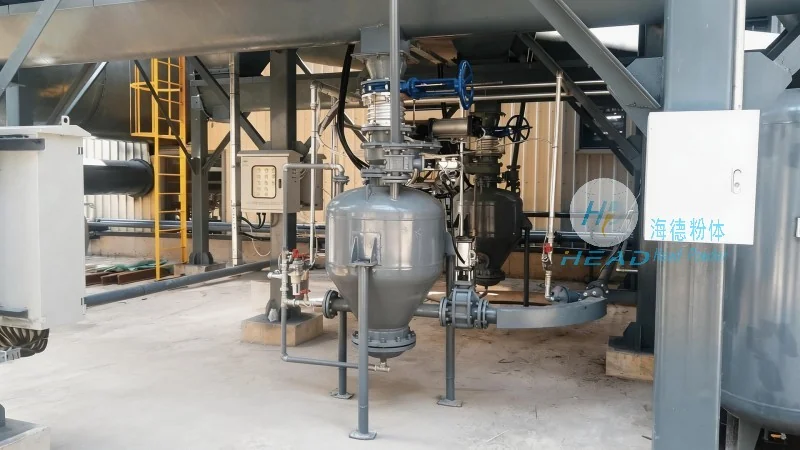
Operational Considerations and Maintenance Requirements
When operating water-in-powder material handling equipment, several considerations are essential to ensure optimal performance and longevity. Proper calibration of the water injection system is critical to maintain the desired moisture content in the mixture, as variations can affect flow characteristics and product quality. Regular maintenance of the mixing components, such as impellers and paddles, is necessary to prevent wear and ensure consistent mixing efficiency. The equipment should also be designed with easy access for cleaning and sanitation, especially in industries like food and pharmaceuticals where hygiene is paramount. Additionally, monitoring the temperature and pressure within the system can help detect potential issues early, preventing downtime and ensuring continuous operation. By adhering to these operational guidelines and maintenance protocols, users can maximize the performance and lifespan of the equipment while maintaining high standards of product quality.




