Organic salt powder, such as sodium chloride or other organic compounds, often presents unique handling challenges due to its chemical properties and particle characteristics. Pneumatic conveying systems offer an efficient solution for transporting these powders over long distances or within industrial facilities. This article explores the operation process and working principle of organic salt powder pneumatic conveying equipment, highlighting key components and the step-by-step procedures involved in its operation.
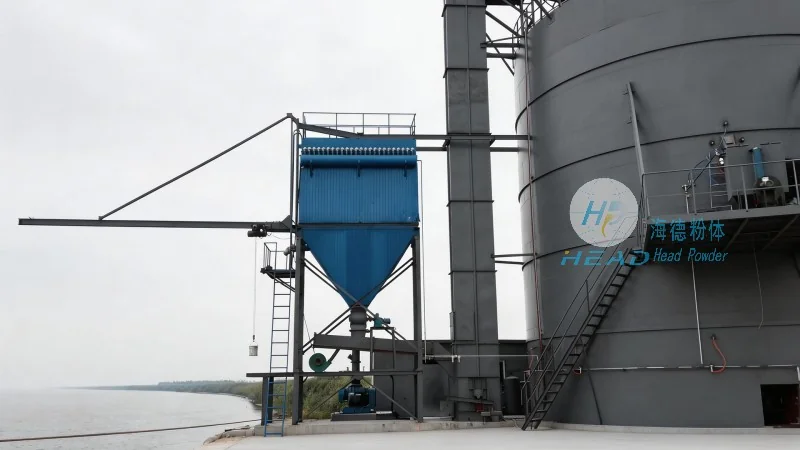
Key Components of the Pneumatic Conveying System
The organic salt powder pneumatic conveying equipment typically consists of several critical components that work in tandem to ensure reliable and efficient material transport. These components include the feed hopper, rotary valve or feeder, air compressor or blower, conveying pipeline, dust separator, and sometimes a cyclone or bag filter for air purification. Each component plays a specific role in the overall system, contributing to the smooth flow of organic salt powder from the source to the destination.
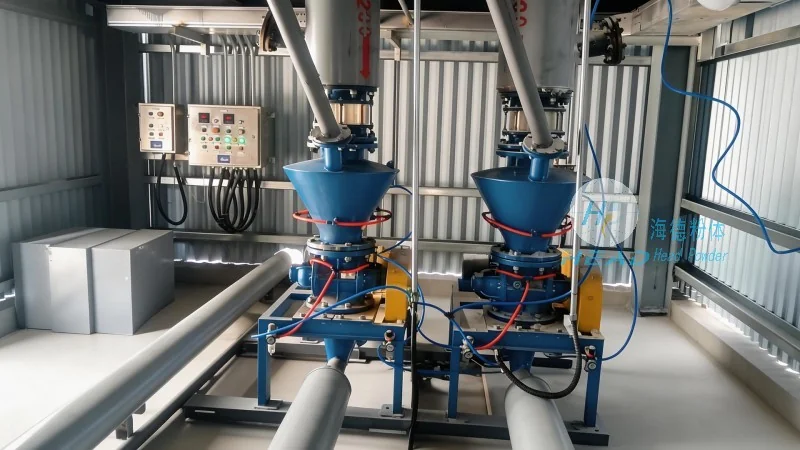
Working Principle of Pneumatic Conveying
The core principle of pneumatic conveying is the use of compressed air to create a flow that transports the powder particles through the pipeline. In positive pressure systems, the air compressor supplies high-pressure air that pushes the powder forward, while in negative pressure (or suction) systems, a vacuum is created to draw the powder into the pipeline. For organic salt powders, which may be hygroscopic or have specific particle sizes, the system design must account for factors like air velocity, particle size distribution, and moisture content to prevent blockages or degradation.
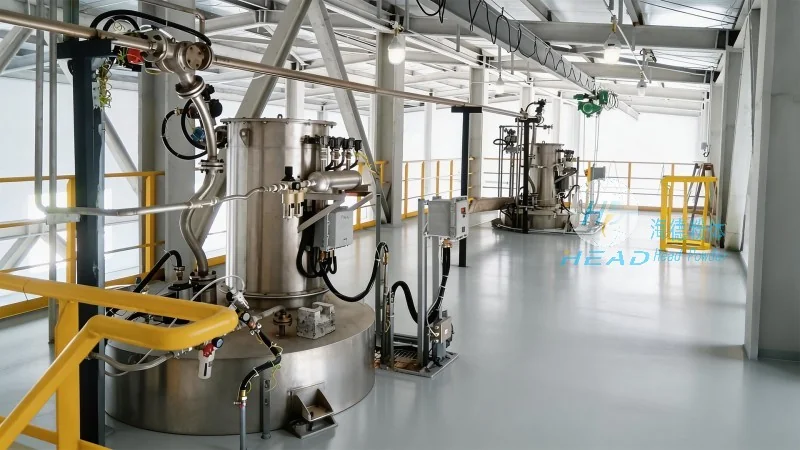
Operation Process: Step-by-Step Guide
The operation of the organic salt powder pneumatic conveying equipment follows a systematic sequence to ensure safe and effective material handling. The process typically begins with the preparation phase, where the organic salt powder is loaded into the feed hopper and the system is checked for proper air pressure and functionality. Once the system is ready, the rotary valve or feeder starts to discharge the powder into the conveying pipeline at a controlled rate. Simultaneously, the air compressor or blower generates the necessary air flow, which mixes with the powder and propels it through the pipeline. The conveying process continues until the target destination is reached, where the powder is discharged into a storage silo or processing unit. The system then enters the shutdown phase, where the air flow is reduced, the feeder stops, and the pipeline is purged to prevent residual powder accumulation.
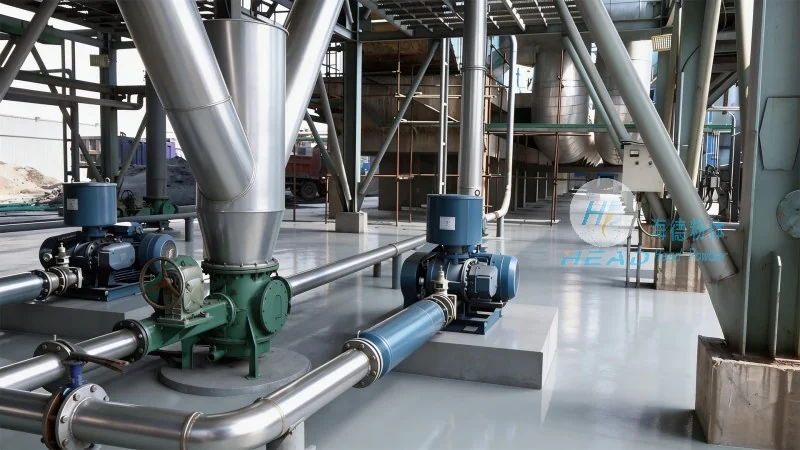
Company Profile: Shandong HeadPowder Engineering Co., Ltd.
Shandong HeadPowder Engineering Co., Ltd., commonly known as headpowder, is a leading manufacturer of pneumatic conveying equipment in China. Headquartered in Shandong, the company specializes in the design, production, and installation of advanced systems for handling organic salt powders and other fine materials. With years of experience in the industry, headpowder has developed a reputation for delivering high-quality, reliable equipment that meets the specific requirements of various industrial applications. The company's commitment to technological advancement and customer satisfaction ensures that its products are tailored to enhance operational efficiency and safety in material handling processes.




