The working principle of a sand and gravel material conveying line typically involves a series of components designed to transport bulk materials efficiently. At the core of the system is a conveyor mechanism, which can be either a belt conveyor, screw conveyor, or other specialized equipment, depending on the specific application requirements. The process generally starts with the material being loaded into the hopper or feeding device. From there, the material is transferred to the conveyor belt or screw, which moves it along the designated path. Motor-driven systems provide the necessary power to drive the conveyor, ensuring consistent and controlled movement. The design of the conveying line often includes features such as adjustable speed controls, which allow operators to manage the flow rate based on production needs. Additionally, the system may incorporate safety mechanisms, like emergency stop buttons and overload protection, to ensure safe operation. The entire process is engineered to minimize material loss and maximize throughput, making it suitable for various industrial applications in the construction and mining sectors.
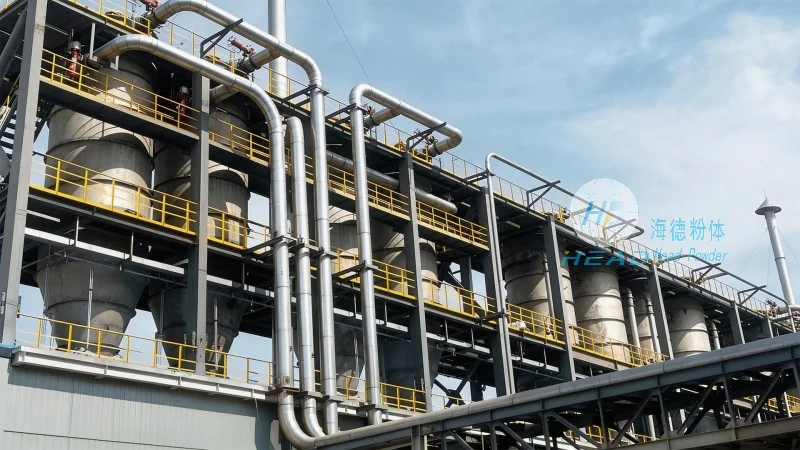
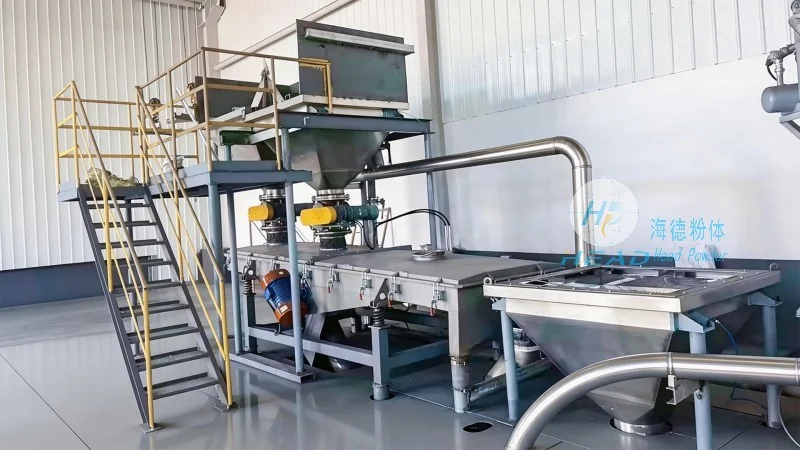
Key Features of Sand and Gravel Material Conveying Lines
HeadPowder Engineering Co., Ltd. specializes in designing and manufacturing high-quality sand and gravel material conveying lines that are tailored to meet the unique needs of different industries. These systems are characterized by several key features that enhance their performance and reliability. Firstly, the robust construction ensures durability and long service life, even under heavy-duty operating conditions. The use of high-quality materials, such as stainless steel or heavy-duty steel, contributes to the system's resistance to wear and corrosion. Secondly, the modular design allows for easy installation and maintenance, reducing downtime and operational costs. This flexibility enables customers to customize the system according to their specific requirements, whether it's for short or long-distance material transport. Thirdly, advanced control systems are integrated into the conveying line, providing precise control over the material flow. These systems may include variable frequency drives (VFDs) that adjust the conveyor speed in real-time, optimizing energy consumption and operational efficiency. Additionally, the conveying lines are equipped with monitoring and alarm systems that alert operators to any potential issues, such as blockages or overloads, ensuring proactive maintenance and preventing costly breakdowns. The combination of these features makes the conveying lines from HeadPowder Engineering Co., Ltd. a reliable choice for businesses in the construction, mining, and aggregate processing industries.
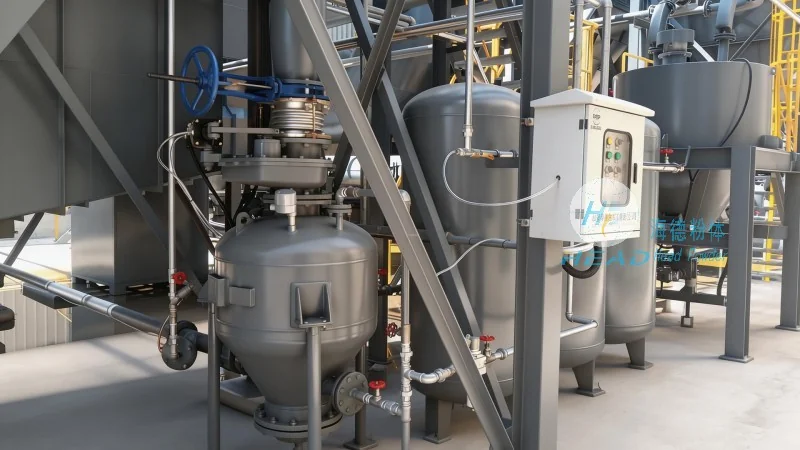
Application-Specific Design Considerations
When designing sand and gravel material conveying lines, several factors must be considered to ensure optimal performance. The first consideration is the material characteristics, including its size, shape, and moisture content. For example, if the material is fine and powdery, a belt conveyor with a special coating or a screw conveyor with a larger pitch may be more suitable. Conversely, for larger, irregularly shaped pieces, a bucket elevator or a chain conveyor might be preferred. The second factor is the distance and elevation change required for the material transport. Short-distance horizontal transport can be efficiently handled by belt conveyors, while longer distances or vertical lifts may require more complex systems like bucket elevators or inclined screw conveyors. The third consideration is the environmental conditions, such as temperature and humidity, which can affect the material's properties and the equipment's performance. For instance, in high-temperature environments, the conveyor components may need to be made of heat-resistant materials to prevent degradation. Additionally, the system's integration with other processing equipment, such as crushers or screens, is crucial for seamless operation. The design process involves careful analysis of these factors to select the most appropriate conveying technology and ensure the system meets the production requirements. HeadPowder Engineering Co., Ltd. employs experienced engineers who work closely with clients to assess these factors and develop customized solutions that maximize efficiency and minimize operational challenges.
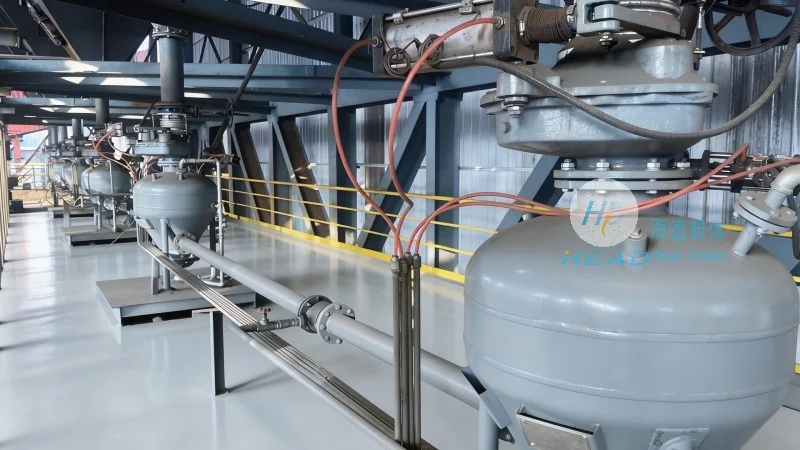
Advantages of Using Sand and Gravel Material Conveying Lines
Implementing a sand and gravel material conveying line offers numerous advantages for businesses in the construction and mining sectors. One of the primary benefits is the significant improvement in material handling efficiency. By automating the transport process, companies can reduce manual labor costs and minimize the risk of material spillage or loss. This not only enhances productivity but also improves workplace safety. Another advantage is the ability to handle large volumes of material with consistent speed and reliability. The conveyor systems are designed to maintain a steady flow rate, ensuring that production processes are not interrupted by material shortages. This consistency is particularly important in industries where timely delivery of materials is critical, such as in road construction or building projects. Furthermore, the use of advanced control systems allows for energy savings. By adjusting the conveyor speed based on the actual demand, the system can reduce energy consumption compared to traditional, fixed-speed systems. This not only lowers operational costs but also aligns with sustainability goals. Additionally, the modular design of the conveying lines makes them easy to expand or modify as production needs change. This flexibility allows businesses to adapt to growing demands without the need for a complete system overhaul. The reliability of these systems, with minimal downtime and maintenance requirements, contributes to overall operational stability. HeadPowder Engineering Co., Ltd.'s conveying lines are engineered to deliver these advantages, providing customers with a durable and efficient solution for their material handling needs.




