When it comes to the efficient processing and transportation of gypsum materials, specialized equipment plays a crucial role in optimizing industrial operations. This article explores the working principle and key features of gypsum material handling equipment, providing insights into how these systems enhance productivity and operational reliability in various industrial settings.
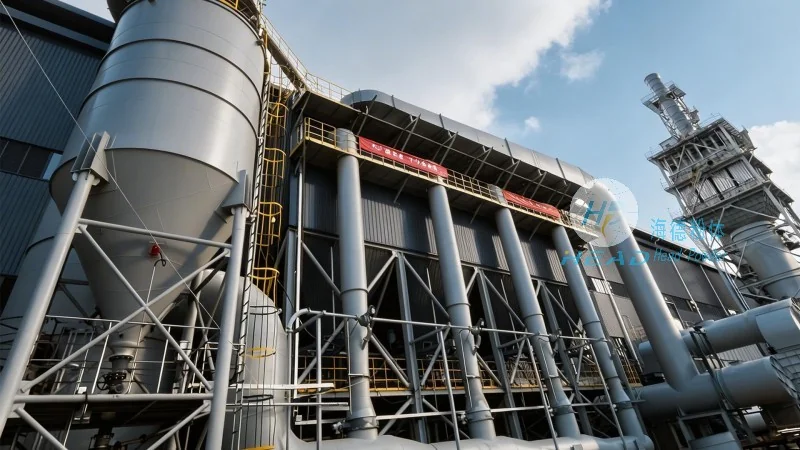
Introduction to Gypsum Material Handling Equipment
Gypsum, a widely used mineral in construction and industrial applications, requires specialized equipment for safe and efficient handling. The equipment designed for gypsum material transport is engineered to address the unique properties of gypsum, such as its bulk density, moisture content, and handling characteristics. By understanding the working principle and features of these systems, industries can select the most suitable equipment to meet their specific operational needs.
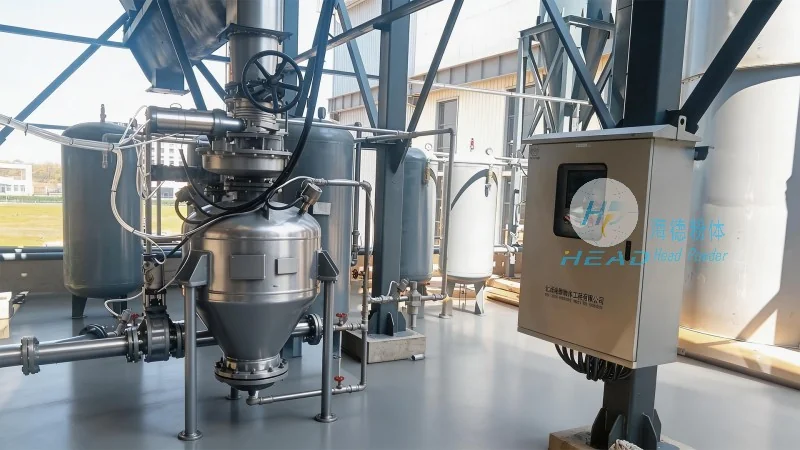
Working Principle of Gypsum Material Conveying Systems
The core working principle of gypsum material handling equipment revolves around the use of mechanical systems to move gypsum from one location to another. These systems typically include components like feeders, conveyors, and storage units, each designed to handle the material in a controlled manner. The process begins with the material being fed into the system, where it is then transported through a series of mechanisms, such as belt conveyors, screw conveyors, or pneumatic systems, depending on the application. The equipment ensures that the gypsum is moved smoothly and without damage, maintaining its quality and consistency throughout the process.
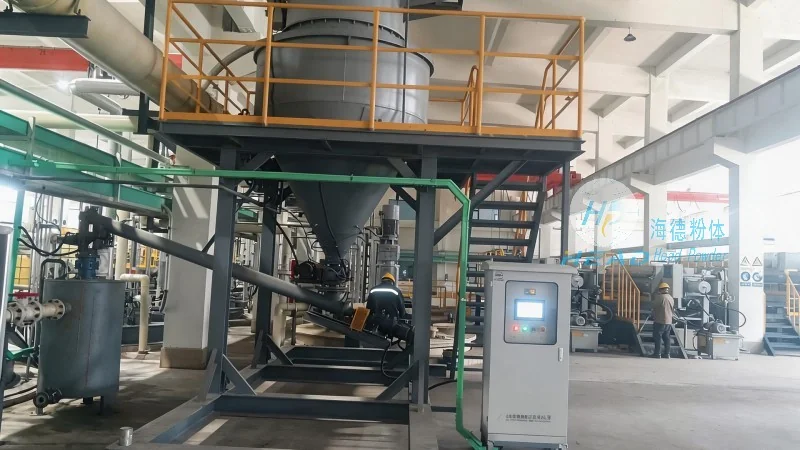
Key Features of Gypsum Material Transport Equipment
Several key features distinguish high-quality gypsum material handling equipment. One of the most important features is the ability to handle varying moisture levels and bulk densities without compromising performance. The equipment is designed with materials that are resistant to corrosion and wear, ensuring long-term durability. Additionally, these systems often include adjustable speed controls and load sensors, allowing for precise control over the material flow. Another critical feature is the integration of safety mechanisms, such as emergency stop buttons and overload protection, to prevent accidents and equipment damage. The equipment also prioritizes energy efficiency, using advanced motor technologies to reduce operational costs while maintaining high performance.
Application Scenarios and Advantages
Gypsum material handling equipment is widely used in various industries, including construction, pharmaceuticals, and food processing. In the construction industry, these systems are essential for transporting gypsum into processing plants, where it is converted into plaster or other building materials. The equipment's ability to handle large volumes of material efficiently reduces labor costs and increases production throughput. In pharmaceutical and food applications, the equipment's hygienic design and ability to maintain material purity are critical, ensuring compliance with industry standards. The advantages of using specialized gypsum handling equipment include improved safety, reduced downtime, and enhanced product quality, making it a valuable investment for any industry relying on gypsum materials.
Conclusion
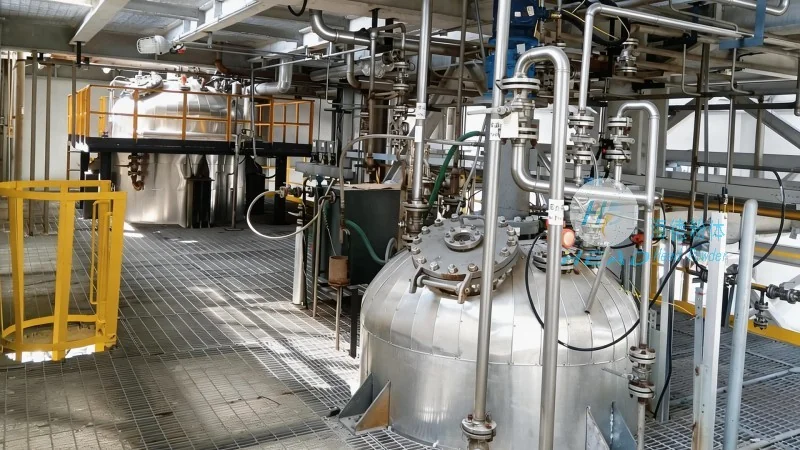
In conclusion, gypsum material handling equipment is a vital component in industrial operations, offering efficient and reliable solutions for transporting and processing gypsum materials. By understanding the working principle and key features of these systems, businesses can select the most appropriate equipment to meet their operational requirements. The equipment's durability, safety features, and energy efficiency make it an ideal choice for industries seeking to optimize their material handling processes. As a leading manufacturer in this field, Shandong HeadPowder Engineering Co., Ltd. provides high-quality gypsum material handling equipment tailored to the specific needs of various industries, ensuring reliable and efficient operations.




