When it comes to handling rare earth crystal powders, selecting the right conveying method is crucial for ensuring efficiency, safety, and product integrity. Various options are available, each with its own set of advantages and considerations. This article will explore the different conveying methods commonly used for rare earth crystal powders and focus on the benefits of pneumatic conveying as a leading solution, presented by Shandong HeadPowder Engineering Co., Ltd., a leading provider of advanced material handling solutions.
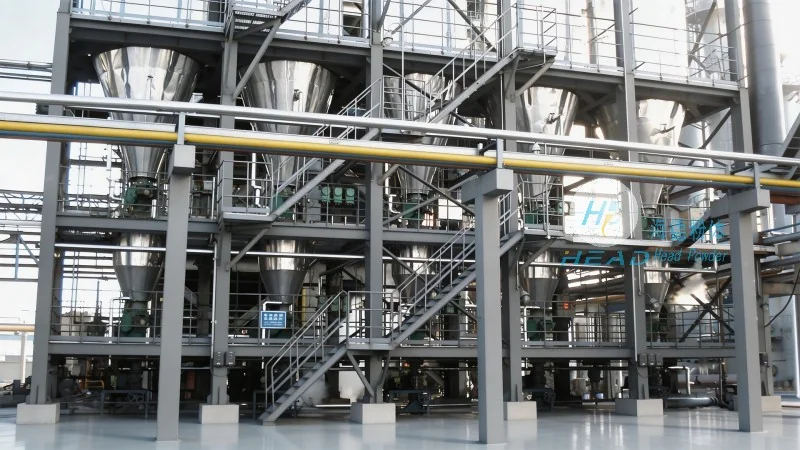
Overview of Common Conveying Methods for Rare Earth Crystal Powders
Conveying rare earth crystal powders involves transporting these fine particles from one location to another within industrial processes. The primary methods include mechanical conveying (such as screw conveyors, belt conveyors) and pneumatic conveying. Mechanical systems rely on physical components like screws or belts to move the material, while pneumatic systems use air or other gases to transport the powder through a pipeline.
Pneumatic Conveying: A Leading Solution for Rare Earth Crystal Powder Handling
Among the various conveying methods, pneumatic conveying stands out as a preferred choice for many industries due to its flexibility, efficiency, and ability to handle fine powders like rare earth crystal powders. Pneumatic conveying systems use air pressure to move the material through a sealed pipeline, eliminating the need for direct contact between the powder and mechanical parts. This approach minimizes product contamination and degradation, which is critical for rare earth materials that are often used in high-value applications.
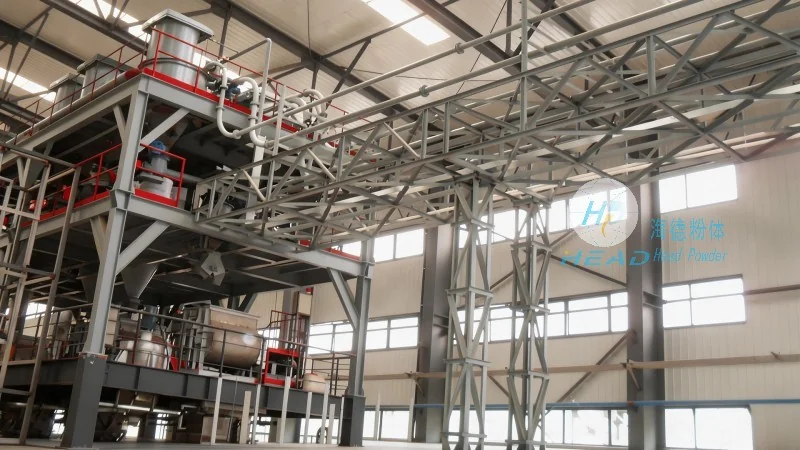
Key Advantages of Pneumatic Conveying for Rare Earth Crystal Powders
There are several key advantages that make pneumatic conveying an ideal solution for rare earth crystal powder handling. First, it offers high efficiency in terms of material transport speed and throughput. The system can move large volumes of powder quickly and reliably, reducing downtime and increasing overall productivity. Second, pneumatic conveying is highly flexible, allowing for changes in the conveying route without major modifications to the system. This adaptability is particularly valuable in dynamic industrial environments where process layouts may change.
Third, the system provides excellent control over the powder flow, enabling precise dosing and regulation of the material. This is essential for applications that require consistent material delivery, such as in chemical processing or manufacturing. Additionally, pneumatic conveying systems are relatively low in maintenance compared to mechanical alternatives, as they have fewer moving parts that can wear out or require regular servicing.
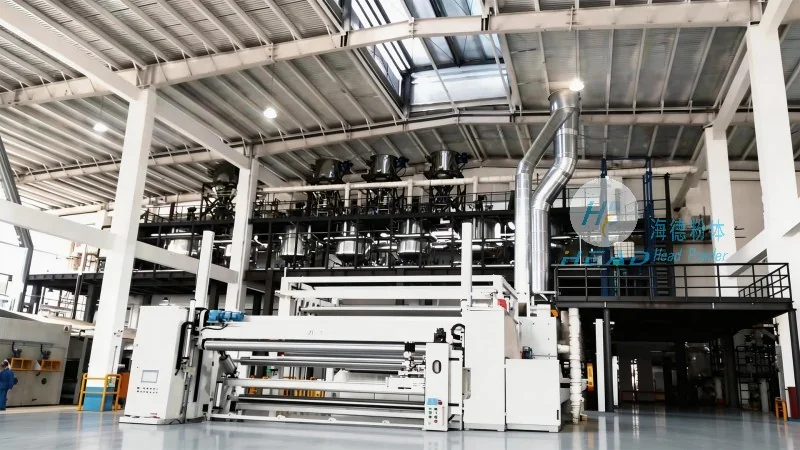
Features of Pneumatic Conveying Systems for Rare Earth Crystal Powders
Modern pneumatic conveying systems for rare earth crystal powders are equipped with advanced features that enhance performance and safety. These systems often include positive displacement blowers or rotary lobe pumps to generate the necessary air pressure, ensuring consistent and reliable material transport. The pipelines are typically made of materials that are resistant to corrosion and wear, such as stainless steel or special alloys, to withstand the abrasive nature of rare earth powders.
Another important feature is the inclusion of filtration and dust collection systems. These components help to capture any fine particles that may escape the conveying line, protecting the environment and ensuring compliance with environmental regulations. The systems may also include sensors and monitoring equipment to track the flow rate, pressure, and other critical parameters, providing real-time data for process optimization.




