Understanding cassava material handling is crucial for industries that process this staple crop. The process involves the movement, storage, and transfer of cassava from one stage of production to another, such as from harvest to processing plants. This article explores the fundamental aspects of cassava material handling and the key design principles that ensure efficient and reliable operations.
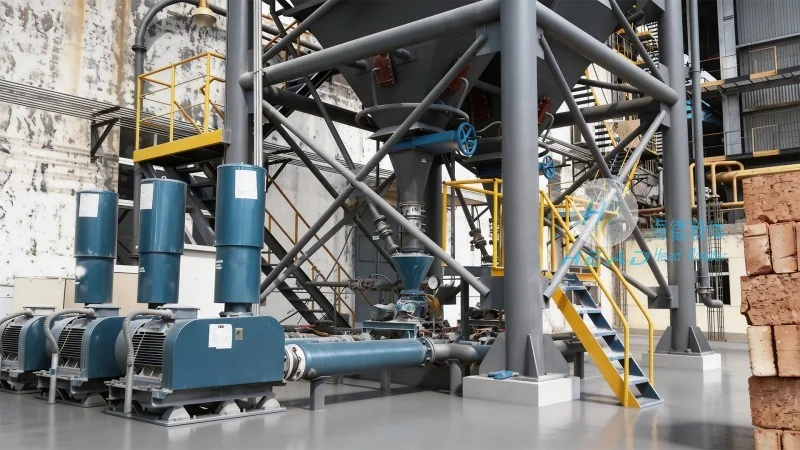
Cassava Material Handling: An Overview
Cassava, also known as manioc or yuca, is a vital root crop in many tropical and subtropical regions. Its processing involves several steps, including washing, peeling, slicing, and drying. Efficient material handling is essential to maintain the quality of the cassava and to optimize the overall processing efficiency. The goal of cassava material handling is to move the crop through these stages with minimal loss, reduced labor, and consistent quality.
Key Design Principles for Cassava Material Handling Systems
The design of cassava material handling systems must consider several factors to ensure optimal performance. First, the physical properties of cassava need to be taken into account. Cassava is a starchy root with a relatively high moisture content and a firm texture. This means that the handling equipment must be able to handle the crop without causing excessive damage, which could affect its quality for further processing. For example, the use of gentle conveying methods, such as belt conveyors with soft surfaces or chain conveyors with appropriate spacing, is important to prevent bruising or crushing.
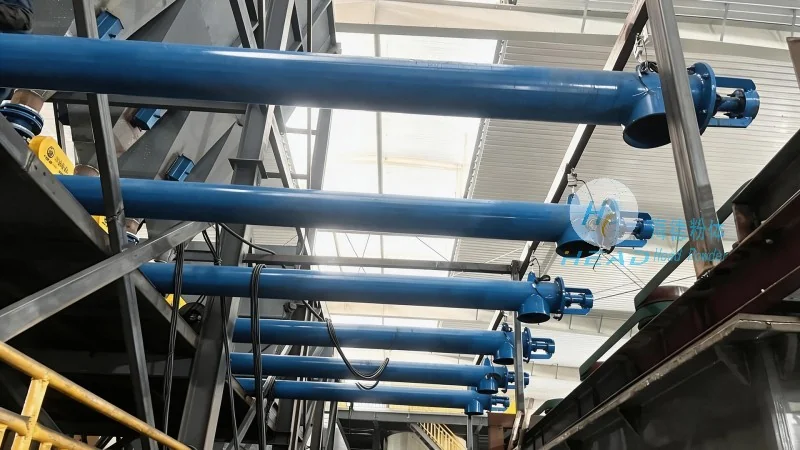
Second, the system design must address the flow of material. A well-designed material handling system ensures that cassava moves smoothly from one process step to the next, minimizing bottlenecks and delays. This involves proper layout planning, where the equipment is arranged to follow the natural flow of the processing line. For instance, the placement of washing tanks, peeling machines, and slicing equipment should be in a logical sequence to reduce the distance the cassava needs to travel, thereby improving throughput.
Third, the system must be durable and easy to maintain. Cassava processing is a continuous operation, and the handling equipment is subjected to heavy use. Therefore, the materials used in the construction of the equipment, such as stainless steel for conveyor belts and robust metal frames, are essential to withstand the wear and tear of processing. Additionally, the design should incorporate features that facilitate regular maintenance, such as easy access to components and simple cleaning procedures.
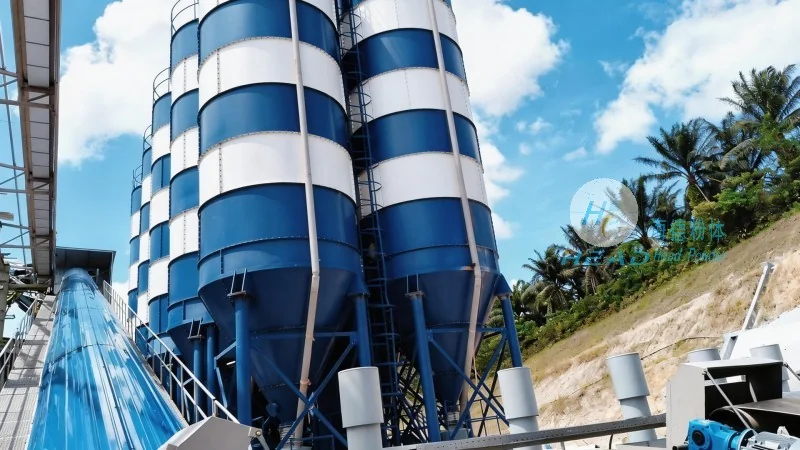
Common Equipment Used in Cassava Material Handling
Several types of equipment are commonly used in cassava material handling systems. Belt conveyors are widely used for horizontal and inclined transport due to their ability to handle large volumes of material with minimal maintenance. Chain conveyors, often equipped with slats or buckets, are suitable for vertical or steep incline transport, especially when moving cassava from lower to higher levels in the processing plant. Vibrating feeders are used to regulate the flow of cassava into processing machines, ensuring a consistent feed rate. Additionally, elevators and bucket elevators are employed to lift cassava from ground level to elevated processing areas, such as drying rooms or storage silos.
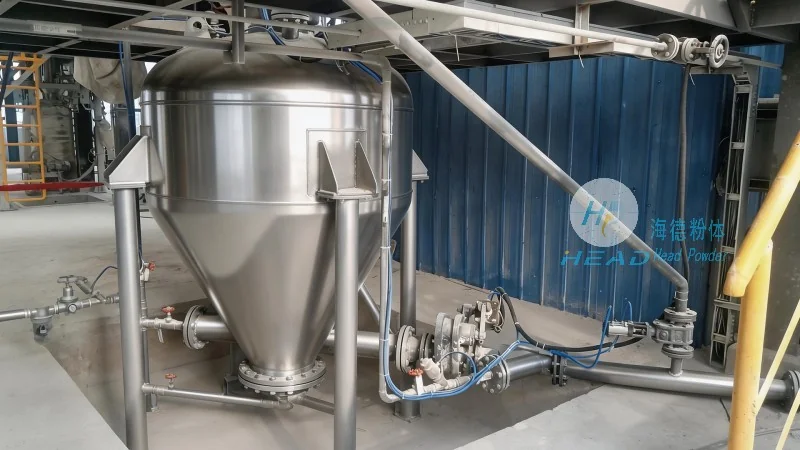
The Role of Material Handling in Cassava Processing Efficiency
The efficiency of cassava processing is directly linked to the effectiveness of the material handling system. A well-designed system reduces the time and labor required to move the crop, allowing processing plants to operate at higher capacities. It also minimizes material loss, which can be significant if the handling process is inefficient. For example, improper handling can lead to cassava pieces breaking or being damaged, reducing the yield of final products like cassava flour or starch. By implementing robust material handling solutions, processing plants can improve their overall productivity and profitability.
Conclusion
Cassava material handling is a critical component of cassava processing, and its design must be tailored to the specific needs of the crop and the processing plant. By considering the physical properties of cassava, optimizing the flow of material, and using durable equipment, processing plants can achieve efficient and reliable operations. Shandong HeadPowder Engineering Co., Ltd., a leading manufacturer in this field, specializes in designing and manufacturing high-quality material handling systems that meet the unique requirements of cassava processing. With their expertise and commitment to quality, they provide solutions that enhance the efficiency and profitability of cassava processing operations worldwide.




