

What is a Lancoal Material Handling System Equipment? What is its Design Principle?
Lancoal, a type of low-temperature carbonized coal, is widely used in various industrial processes. The material handling system equipment designed for lancoal plays a crucial role in the efficient transportation and processing of this material. This article aims to explore the fundamental aspects of such systems, including their design principles and the key factors that contribute to their effectiveness.
Introduction to Lancoal Material Handling System Equipment
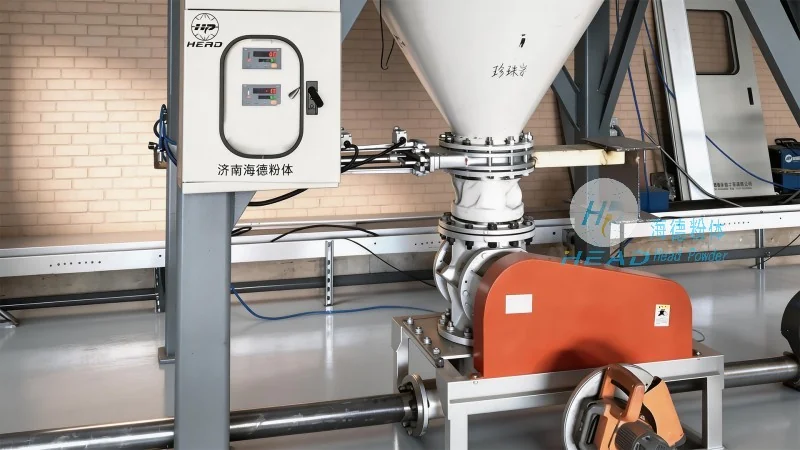
Lancoal material handling system equipment refers to a range of machinery and systems engineered to handle, transport, and process lancoal efficiently. These systems are integral to industries that rely on lancoal as a raw material, such as power generation, chemical manufacturing, and industrial heating. The primary goal of these systems is to ensure the smooth flow of lancoal from its source to the processing units, minimizing downtime and maximizing productivity.
Design Principles of Lancoal Material Handling Systems
The design of lancoal material handling systems is guided by several critical principles that ensure optimal performance and reliability. First, the system must be tailored to the physical properties of lancoal, including its bulk density, moisture content, and particle size distribution. This involves selecting appropriate equipment types, such as belt conveyors, screw conveyors, or pneumatic conveyors, based on the specific characteristics of the material. Second, the design emphasizes energy efficiency and operational cost reduction. Engineers often incorporate features like variable speed drives, automated control systems, and energy recovery mechanisms to minimize power consumption. Third, safety is a paramount consideration. The systems are designed with robust structural components, emergency stop mechanisms, and protective enclosures to prevent accidents and ensure the well-being of operators. Additionally, the design incorporates flexibility to accommodate changes in production volumes or material specifications, allowing for easy adaptation to evolving operational needs.
Key Components and Functional Aspects
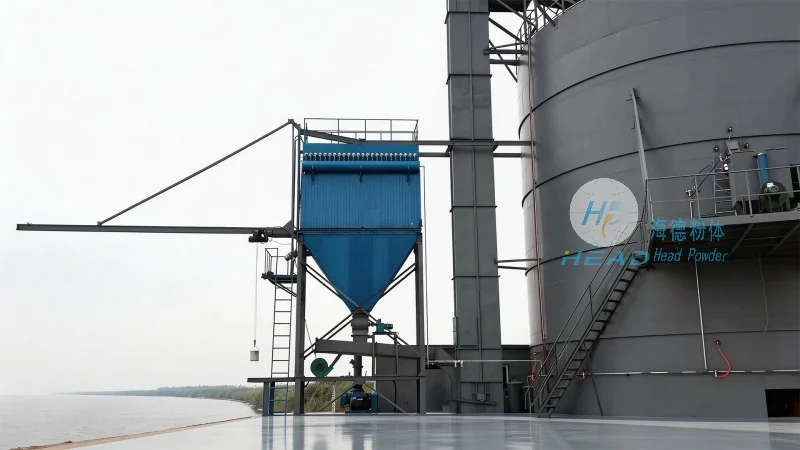
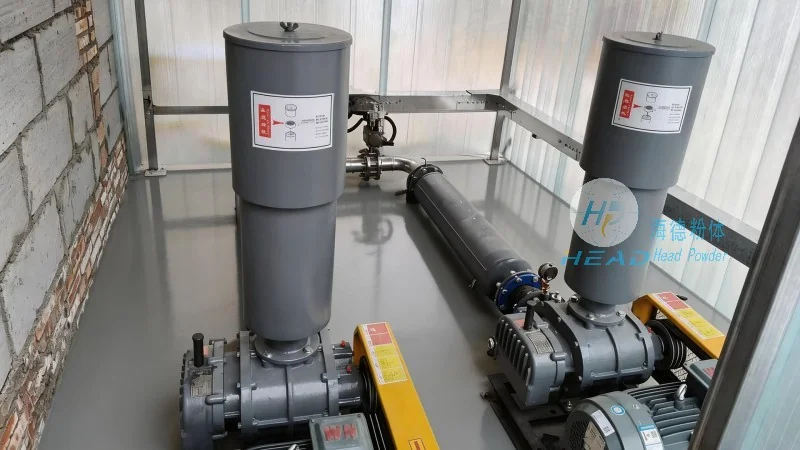
A lancoal material handling system typically consists of several interconnected components that work in harmony to achieve the desired outcomes. The core components include feeders, conveyors, elevators, and storage silos. Feeders are responsible for evenly distributing the lancoal into the conveyor system, preventing blockages and ensuring consistent flow. Belt conveyors are commonly used for horizontal and inclined transport due to their high load capacity and low maintenance requirements. Screw conveyors are ideal for vertical or inclined transport, providing a compact solution for handling fine or cohesive materials. Pneumatic conveyors, on the other hand, use air pressure to transport lancoal through pipelines, making them suitable for dust-free environments or long-distance transport. The system also includes control panels equipped with sensors and monitoring devices that track parameters like flow rate, temperature, and pressure. These sensors provide real-time data, enabling operators to make informed decisions and intervene promptly if any anomalies occur. The integration of advanced control systems, such as programmable logic controllers (PLCs), allows for automated operation and remote monitoring, further enhancing the system's efficiency and reliability.
Application Scenarios and Industry Relevance
Lancoal material handling systems find extensive applications across various industries. In the power generation sector, these systems are crucial for transporting lancoal from storage facilities to boilers, ensuring a continuous supply of fuel. In chemical manufacturing, the systems are used to move lancoal to reactors or processing units, supporting the production of chemicals and other byproducts. The industrial heating industry also relies on these systems to deliver lancoal to furnaces and boilers, providing a cost-effective and reliable source of energy. The versatility of lancoal material handling systems makes them suitable for different scales of operations, from small-scale industrial plants to large-scale power plants. By optimizing the transportation process, these systems contribute significantly to the overall efficiency and profitability of the operations.
About Shandong HeadPowder Engineering Co., Ltd.
Shandong HeadPowder Engineering Co., Ltd., commonly known as HeadPowder, is a leading manufacturer and supplier of material handling systems, including those specifically designed for lancoal. The company is headquartered in Shandong, China, and has established a strong reputation for its innovative solutions and commitment to quality. With years of experience in the industry, HeadPowder has developed a deep understanding of the unique challenges associated with handling lancoal, and its engineers have designed systems that address these challenges effectively. The company's facilities are equipped with advanced manufacturing technologies and testing equipment, ensuring that each system meets the highest standards of performance and durability. HeadPowder's team of experts provides comprehensive support, from initial consultation and system design to installation, commissioning, and after-sales service. The company's focus on customer satisfaction and technical excellence has made it a trusted partner for businesses seeking reliable lancoal material handling solutions.
Advantages and Benefits of the System
The implementation of a well-designed lancoal material handling system offers numerous advantages to industrial operations. One of the key benefits is the significant reduction in labor costs and operational downtime. Automated systems eliminate the need for manual handling, reducing the risk of human error and fatigue. This leads to consistent and reliable material flow, minimizing interruptions in production. Another advantage is the improvement in safety standards. The systems are equipped with safety features that prevent accidents, protecting both operators and equipment. Additionally, the systems enhance the overall efficiency of the production process by optimizing the transportation of lancoal, reducing energy consumption, and minimizing material loss. The flexibility of these systems allows for easy integration with existing production lines, making them a cost-effective solution for upgrading or expanding operations. Overall, the lancoal material handling system equipment from Shandong HeadPowder Engineering Co., Ltd. provides a robust and efficient solution for industries that rely on lancoal, contributing to improved productivity, reduced costs, and enhanced safety.