

What is the Pneumatic Conveying of Biomass Granular Materials? And What Are the Design Principles?
When it comes to the efficient handling and transportation of biomass granular materials, pneumatic conveying systems have emerged as a reliable and versatile solution. This technology involves the use of air or gas to transport bulk materials through a pipeline network, offering advantages such as reduced dust, improved safety, and the ability to handle a wide range of material types. In this article, we will explore the fundamental concepts of biomass granular material pneumatic conveying and delve into the key design principles that underpin the successful implementation of such systems.
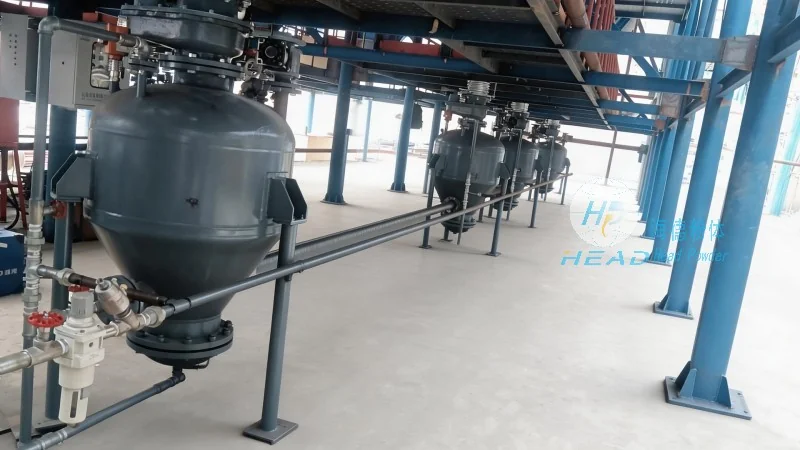
HeadPowder, a leading engineering company based in Shandong, China, specializes in the design, manufacturing, and installation of advanced pneumatic conveying solutions tailored for biomass applications. With a deep understanding of the unique challenges associated with biomass materials, such as varying particle sizes, moisture content, and flow characteristics, HeadPowder provides customized solutions that optimize material handling processes for industries like bioenergy, biomass power generation, and agricultural processing.
Pneumatic conveying of biomass granular materials typically operates on one of two fundamental principles: positive pressure and negative pressure (or vacuum) systems. Positive pressure systems use a blower or compressor to generate air pressure that pushes the material through the pipeline, while negative pressure systems create a vacuum to draw the material into the system. The choice between these two approaches depends on factors like the distance to be covered, the material's properties, and the required system capacity.
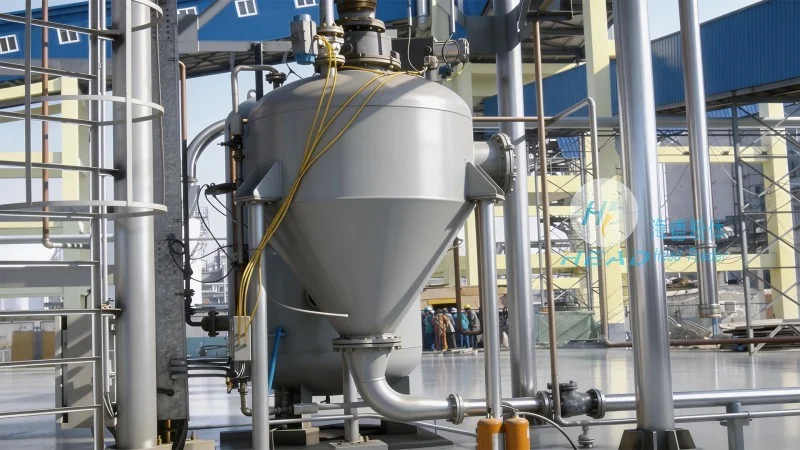
At the core of any pneumatic conveying system is the selection of appropriate equipment and components. This includes the conveyor itself, which may consist of a series of pipes, elbows, and bends that guide the material from the source to the destination. The design of the pipeline network is critical, as it must account for the material's flow characteristics, including its density, particle size distribution, and moisture content. Proper sizing of the pipeline diameter and the selection of suitable materials (e.g., stainless steel or plastic) are essential to prevent blockages and ensure smooth operation.
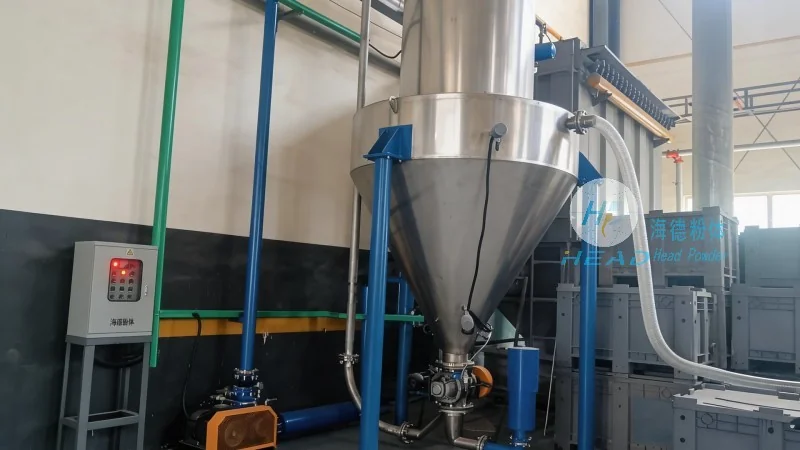
Pressure control is another critical aspect of the design. The system must maintain a consistent pressure level to ensure that the material moves efficiently through the pipeline without excessive energy consumption or damage to the equipment. This often involves the use of pressure regulators, valves, and sensors that monitor and adjust the air flow as needed. Additionally, the inclusion of filters and cyclones is necessary to separate the conveyed material from the air, allowing for the collection of the material at the end of the system and the recycling of the air for reuse.
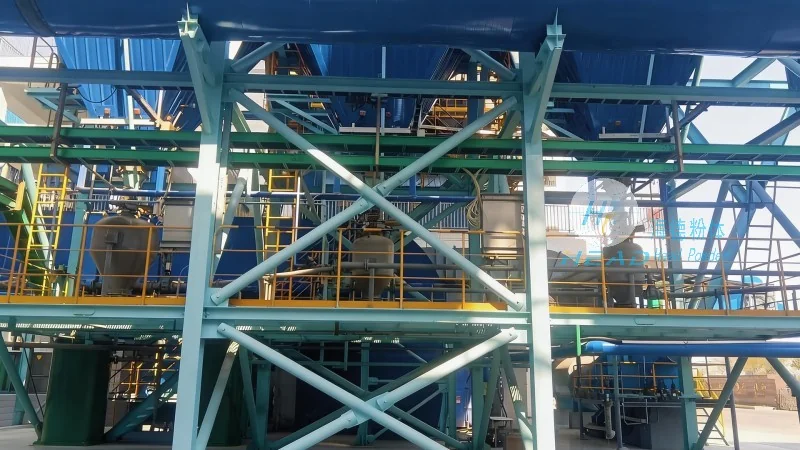
The design process also considers the specific requirements of the biomass material being handled. For example, materials with high moisture content may require additional drying or conditioning steps to improve their flow characteristics and prevent clogging. Similarly, materials with abrasive properties may necessitate the use of wear-resistant materials for the pipeline and equipment components to extend their service life. HeadPowder's expertise lies in tailoring these design elements to the specific needs of each client, ensuring that the final system is both efficient and durable.
In conclusion, the pneumatic conveying of biomass granular materials is a sophisticated technology that relies on careful design and engineering to achieve optimal performance. By understanding the fundamental principles of material flow, selecting appropriate equipment, and implementing effective pressure and filtration systems, companies like HeadPowder can deliver reliable solutions that enhance productivity and safety in biomass handling operations. Whether for short or long-distance transport, positive or negative pressure systems, the key is to match the system design to the unique characteristics of the biomass material and the operational requirements of the facility.