When it comes to transporting soap granules, selecting the right conveying method is crucial for efficiency, cost-effectiveness, and product integrity. Various options exist, each with its own set of advantages and considerations. This article explores the different soap granule conveying methods available, with a particular focus on the benefits and characteristics of pneumatic conveying systems.
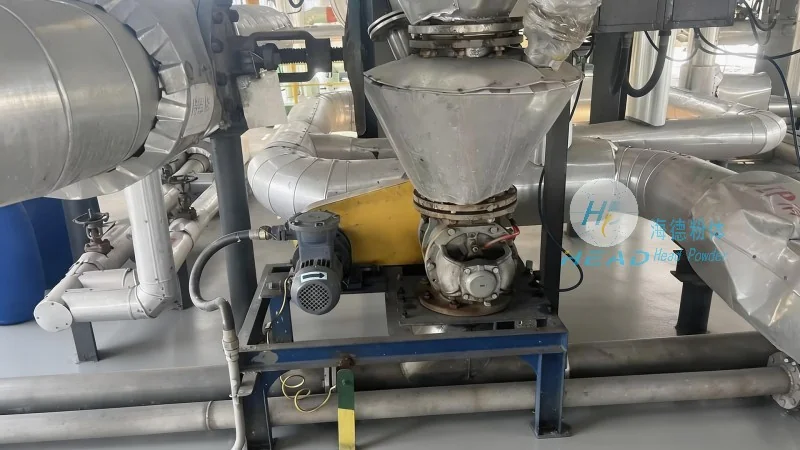
Common Conveying Methods for Soap Granules
Traditional soap granule conveying often relies on mechanical systems such as belt conveyors, screw conveyors, and bucket elevators. These methods are widely used due to their simplicity and relatively low initial investment. However, they may face challenges in handling abrasive materials like soap granules, which can lead to increased wear and maintenance costs over time. Additionally, mechanical conveyors may not be suitable for long-distance or complex route applications, as they require multiple components and may cause product degradation through friction and impact.
Pneumatic Conveying: A Modern Solution for Soap Granule Transport
HeadPowder, a leading provider of material handling solutions, specializes in pneumatic conveying systems tailored for soap granule applications. Pneumatic conveying uses air or gas to transport materials through a pipeline network, offering several key advantages over traditional mechanical methods. One of the primary benefits is the ability to handle delicate or abrasive materials without causing damage. The enclosed system also minimizes dust exposure and contamination, which is critical for maintaining product quality in soap manufacturing processes.
Key Advantages of Pneumatic Conveying for Soap Granules
HeadPowder's pneumatic conveying systems provide several distinct advantages for soap granule transport. Firstly, they offer high efficiency and flexibility in routing. Unlike mechanical conveyors that require fixed paths, pneumatic systems can be easily reconfigured to accommodate changes in production layouts or process requirements. This adaptability reduces downtime and enhances overall operational flexibility.
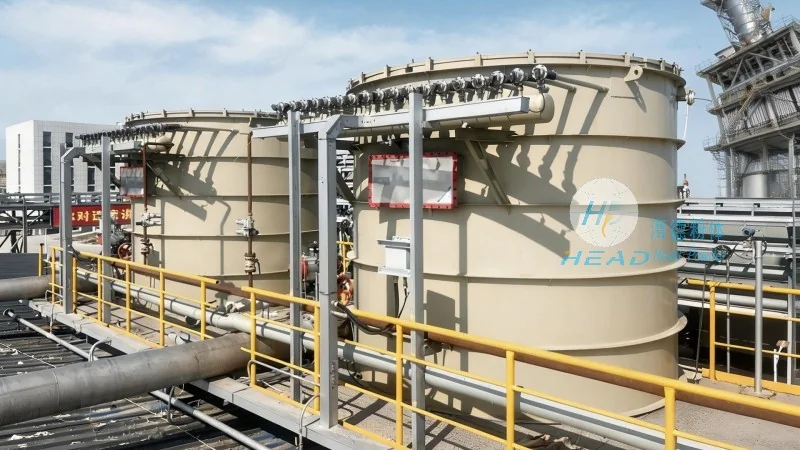
Secondly, pneumatic conveying is highly effective in handling varying material characteristics. Soap granules may have different sizes, shapes, or moisture content, and pneumatic systems can accommodate these variations without compromising performance. The air pressure and flow rate can be adjusted to optimize material transport, ensuring consistent and reliable delivery to processing units.
Enhanced Product Integrity and Safety
For soap manufacturers, maintaining product integrity is paramount. Pneumatic conveying systems, as offered by HeadPowder, provide a closed environment that prevents contamination from external sources and minimizes product degradation. The absence of mechanical components like belts or screws reduces the risk of abrasion or impact damage, preserving the quality and consistency of soap granules throughout the conveying process.
Furthermore, the enclosed nature of pneumatic systems enhances workplace safety by containing dust and preventing exposure to airborne particles. This is particularly important in soap production facilities where dust can affect air quality and worker health. HeadPowder's systems are designed with safety features that comply with industry standards, ensuring a secure working environment.
Efficiency and Cost-Effectiveness
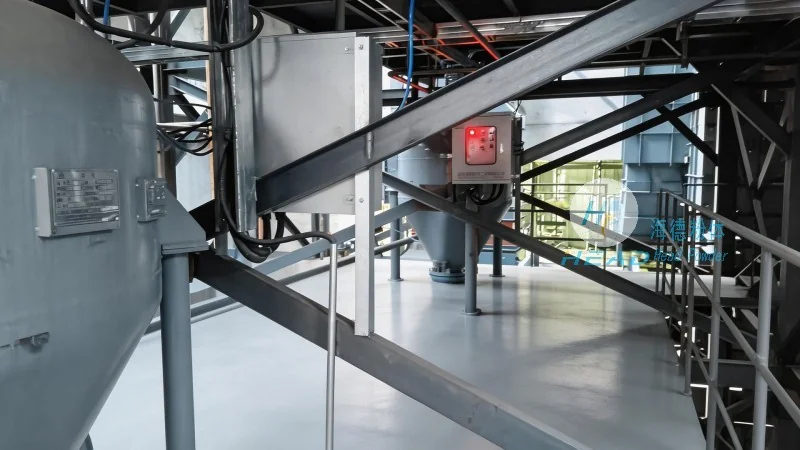
HeadPowder's pneumatic conveying solutions are engineered for optimal efficiency and cost-effectiveness. By utilizing air as the primary transport medium, these systems eliminate the need for heavy mechanical components, reducing energy consumption and maintenance requirements. The enclosed pipeline design minimizes material loss and reduces cleaning frequency, contributing to lower operational costs over the long term.
Additionally, the scalability of pneumatic conveying systems allows manufacturers to expand their operations without significant infrastructure changes. Whether upgrading to handle increased production volumes or integrating new processing units, HeadPowder's systems can be adapted to meet evolving business needs. This flexibility ensures that investment in conveying technology remains aligned with production growth.
Conclusion: Choosing the Right Conveying Method for Soap Granules
When evaluating soap granule conveying methods, manufacturers must consider factors such as material characteristics, production scale, and operational requirements. While traditional mechanical conveyors may be suitable for small-scale or short-distance applications, pneumatic conveying emerges as a superior choice for modern soap manufacturing processes. HeadPowder's expertise in pneumatic conveying systems provides manufacturers with reliable, efficient, and cost-effective solutions that enhance product quality, operational flexibility, and overall process efficiency.




