Vacuum suction material handling is a widely used industrial method for transporting bulk materials such as powders, granules, and small particles. This technology relies on the creation of a negative pressure (vacuum) to draw materials from a source into a collection container or processing unit. The process is efficient, flexible, and often preferred over traditional methods like belt conveyors or mechanical pumps due to its ability to handle delicate or abrasive materials without causing damage.
Understanding Vacuum Suction Material Handling: Principles and Applications
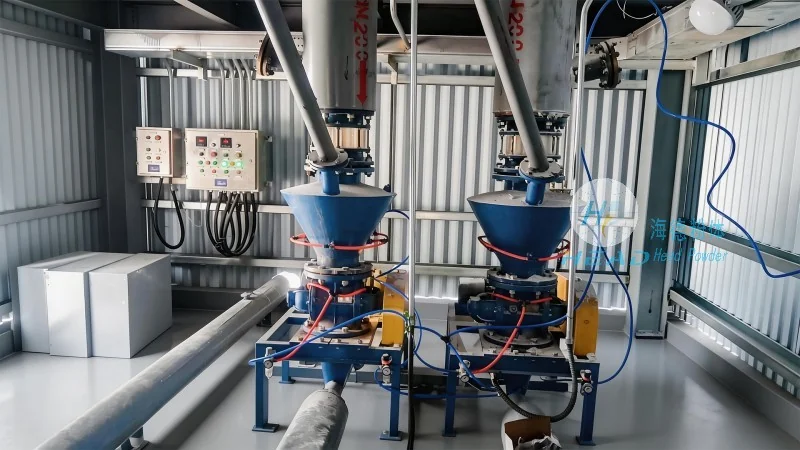
Vacuum suction material handling systems are designed to move materials from one location to another by creating a pressure differential. The system typically consists of a vacuum pump that generates the negative pressure, a network of flexible or rigid suction pipes that carry the material, and a collection hopper or container at the destination. The key principle is that air and material are drawn together through the suction pipe, with the material being separated from the air stream by a filter or separator before reaching the collection point. This method is particularly effective for materials that are light, dusty, or prone to caking, as it minimizes material degradation and ensures a clean transfer process.
The Core Design Principles of Vacuum Suction Systems
The design of a vacuum suction system involves several critical principles to ensure optimal performance and reliability. First, the system must be able to generate sufficient negative pressure to overcome the material's resistance and the system's friction losses. This is achieved by selecting an appropriate vacuum pump, which can be either rotary vane, liquid ring, or scroll type, depending on the required flow rate and pressure. Second, the suction pipe network must be designed to minimize pressure drop and maintain consistent airflow. This includes using appropriate pipe diameters, smooth bends, and minimal fittings to reduce turbulence and energy loss. Third, the inclusion of a filtration system is essential to prevent clogging of the pump and to ensure that the material is free from contaminants. Filters are typically made of mesh or fabric and are designed to capture particles while allowing air to pass through. Finally, control components such as valves and sensors are integrated to regulate the flow rate, monitor system pressure, and prevent overloading or blockages.
Key Components and Their Functions in Vacuum Suction Material Handling
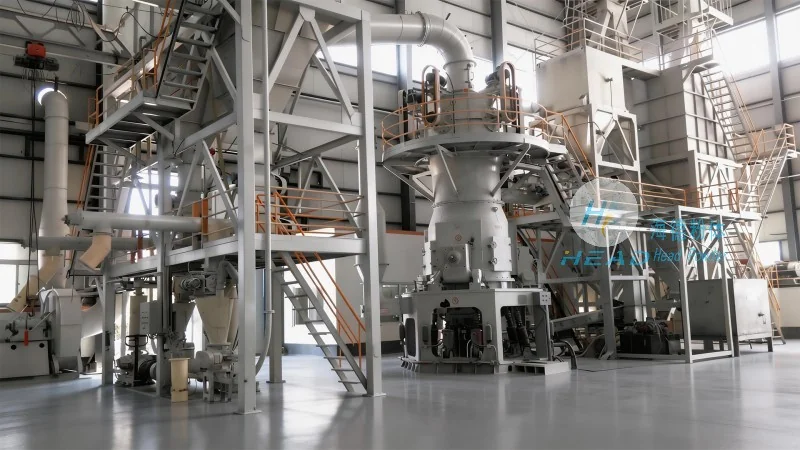
The effectiveness of a vacuum suction material handling system depends on the proper functioning of its key components. The vacuum pump is the heart of the system, responsible for creating the negative pressure. It can be a rotary vane pump, which is suitable for low to medium vacuum levels and moderate flow rates, or a liquid ring pump, which is more efficient for high flow rates and can handle larger particles. The suction pipe is made of materials like stainless steel or polyethylene, chosen for their durability and resistance to corrosion from the materials being handled. The pipe network is often flexible, allowing for easy installation in complex layouts, and may include fittings such as elbows, tees, and reducers to direct the material flow. A filtration system, usually located at the collection hopper, separates the material from the air stream. This system may include a pre-filter to catch larger particles and a main filter to capture fine dust, with some designs incorporating a cleaning mechanism to maintain efficiency. Control valves, such as ball valves or butterfly valves, are used to regulate the flow rate and shut off the system when not in use. Sensors, including pressure transducers and flow meters, monitor the system's performance and alert operators to any issues like blockages or low vacuum levels.
Advantages of Vacuum Suction Material Handling
Vacuum suction material handling offers several advantages over traditional material handling methods. One of the primary benefits is the ability to handle delicate or fragile materials without causing breakage or contamination. The gentle suction action minimizes mechanical stress on the material, making it ideal for pharmaceutical powders, food products, and electronic components. Another advantage is the flexibility of the system, as the suction pipes can be easily reconfigured or extended to accommodate changes in production layouts or to serve multiple collection points. This adaptability reduces the need for extensive reinstallation and lowers operational costs. Additionally, vacuum suction systems are generally more energy-efficient compared to mechanical conveyors, as they only consume power when actively moving material. The absence of moving parts in the suction line also reduces maintenance requirements and extends the system's lifespan. Furthermore, the system can handle a wide range of materials, from fine powders to coarse granules, making it a versatile solution for various industrial applications.
Applications and Industries Where Vacuum Suction Is Commonly Used
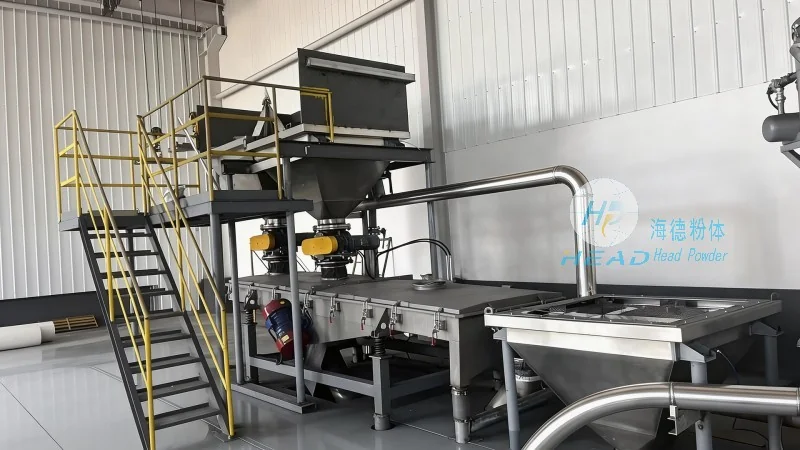
Vacuum suction material handling is widely used across multiple industries due to its versatility and efficiency. In the pharmaceutical industry, it is used to transport active pharmaceutical ingredients (APIs) and excipients, ensuring that the materials remain sterile and free from contamination. The gentle handling prevents degradation of the API, which is critical for maintaining product quality and efficacy. In the food and beverage industry, vacuum suction systems are employed to move ingredients like flour, sugar, and spices, as well as finished products such as cookies or snacks. The system's ability to handle food-grade materials without cross-contamination makes it a preferred choice for food processing facilities. The chemical industry also utilizes vacuum suction for transporting raw materials like powders and granules, as well as for waste material removal. The system's resistance to corrosion and ability to handle abrasive materials makes it suitable for harsh chemical environments. In the electronics industry, vacuum suction is used to handle sensitive components like circuit boards and small parts, preventing static discharge and damage. The system's precision and cleanliness are essential for maintaining the integrity of electronic products. Finally, in the packaging industry, vacuum suction is used to transfer packaging materials such as powders or granules into packaging machines, ensuring a consistent and efficient filling process.
Company Profile: Shandong HeadPowder Engineering Co., Ltd.
HeadPowder, or Shandong HeadPowder Engineering Co., Ltd., is a leading manufacturer and supplier of vacuum suction material handling systems based in Shandong, China. The company specializes in designing and manufacturing customized solutions for various industrial applications, including pharmaceutical, food, chemical, and electronics industries. With years of experience in the field, HeadPowder has developed a reputation for producing high-quality, reliable, and efficient vacuum suction systems that meet the specific needs of its clients. The company's products are known for their durability, low maintenance requirements, and ability to handle a wide range of materials. HeadPowder's team of engineers and technicians work closely with clients to understand their requirements and provide tailored solutions that enhance productivity and reduce operational costs. The company's commitment to quality and customer satisfaction has made it a trusted partner for many businesses in the industry.




