Lysine is a crucial amino acid widely used in the production of animal feed and various industrial applications. The efficient transportation of lysine raw materials or finished products often relies on specialized material handling systems. A lysine material handling conveyor is a key piece of equipment designed to move lysine materials through different stages of processing, storage, and packaging. These conveyors are engineered to handle the specific characteristics of lysine, such as its granular or powder form, ensuring minimal loss, contamination, and optimal flow. The design of these systems is critical to maintaining product quality and operational efficiency in lysine production facilities.
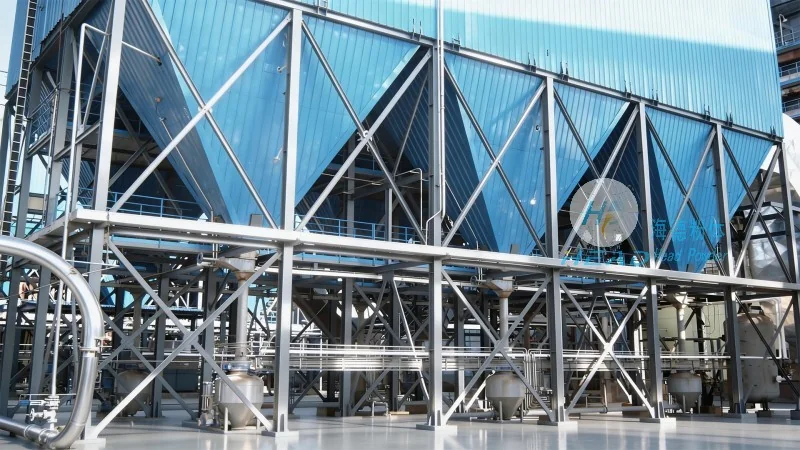
Key Design Principles of Lysine Material Handling Conveyors
The design of a lysine material handling conveyor is based on several fundamental principles that address the unique requirements of lysine handling. First, the system must ensure minimal product degradation. Lysine is sensitive to moisture, temperature, and physical stress, so the conveyor design incorporates features like sealed components, temperature-controlled environments, and gentle handling mechanisms to prevent clumping or degradation. Second, the conveyor must maintain product purity. This involves using materials that are non-reactive with lysine, such as stainless steel or food-grade plastics, and implementing cleaning protocols to prevent cross-contamination between batches. Third, the design prioritizes efficiency and throughput. The conveyor's layout, speed, and capacity are optimized to match the production rate of lysine processing lines, minimizing bottlenecks and maximizing output. Additionally, the system is designed for easy maintenance and cleaning, with components that can be easily disassembled and sanitized to meet industry hygiene standards.
Components and Features of Lysine Material Handling Conveyors
A typical lysine material handling conveyor consists of several key components that work together to ensure smooth operation. The primary components include the conveyor belt or chain, drive systems, support structures, and control panels. The conveyor belt is often made of food-grade rubber or plastic, designed to handle the abrasive nature of lysine granules without causing wear or contamination. Drive systems, such as electric motors or pneumatic actuators, provide the necessary force to move the material along the conveyor. Support structures, including rollers or frames, ensure the conveyor remains stable and level, preventing material spillage or uneven flow. Control panels allow operators to monitor and adjust the conveyor's speed, direction, and other parameters in real-time, enhancing operational flexibility. Some advanced systems may also include sensors for detecting material levels, flow rates, or blockages, providing automated feedback and preventing system failures.
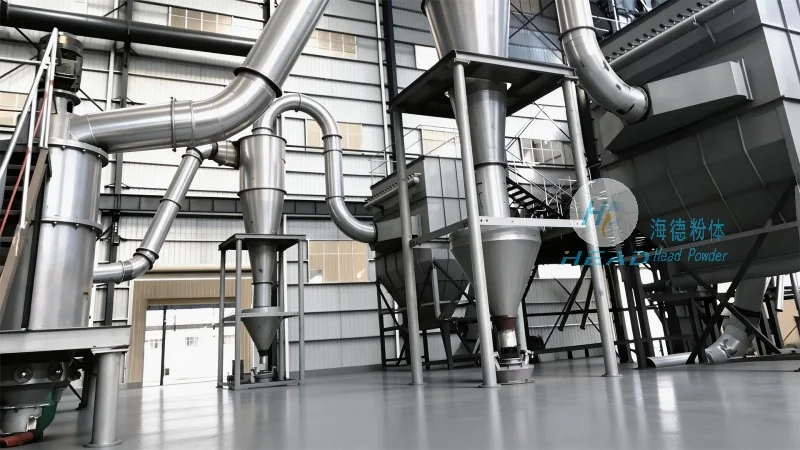
Applications in Lysine Production Facilities
Lysine material handling conveyors are integral to various stages of lysine production. In the raw material handling stage, conveyors transport lysine from storage silos or bulk containers to processing units, ensuring a continuous supply of raw materials. During the processing stage, conveyors may be used to move lysine through mixing, drying, or granulation equipment, maintaining consistent material flow and preventing interruptions. In the packaging stage, conveyors transport finished lysine products to packaging machines, where they are sealed into bags or containers. The design of these conveyors is tailored to each stage's specific needs, such as high-speed conveyors for packaging lines or gentle, low-speed conveyors for sensitive material handling. By integrating these systems, lysine production facilities can achieve high levels of automation, reducing labor costs and improving product consistency.
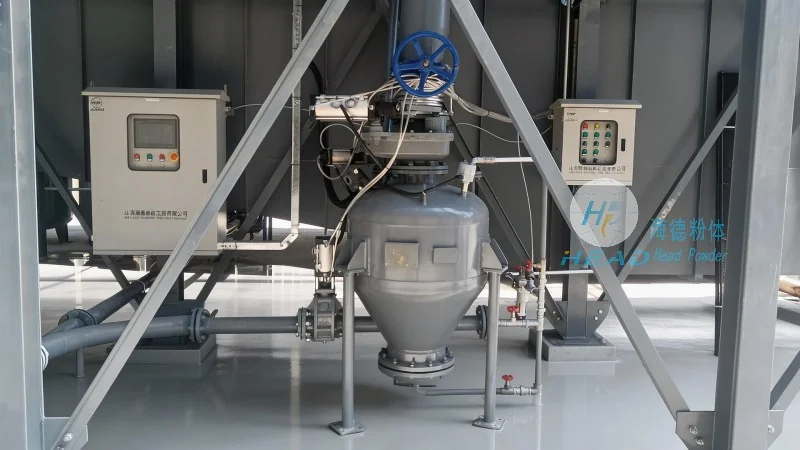
Benefits of Using Lysine Material Handling Conveyors
Implementing lysine material handling conveyors in production facilities offers numerous benefits that enhance operational performance and product quality. One of the primary benefits is improved efficiency. Conveyors automate the material handling process, reducing the time and labor required to move lysine materials through the production line. This leads to higher throughput and lower production costs. Another key benefit is enhanced product quality. By minimizing physical stress, contamination, and exposure to environmental factors, conveyors help maintain the purity and stability of lysine products. This is particularly important for lysine used in animal feed, where product quality directly impacts animal health and performance. Additionally, conveyors improve safety in the workplace by reducing the need for manual handling of heavy or bulky lysine containers, minimizing the risk of accidents and injuries. The automated nature of these systems also reduces human error, ensuring consistent and reliable operation. Finally, the design of modern lysine material handling conveyors allows for easy integration with other production equipment, enabling seamless automation and data collection for better process control.
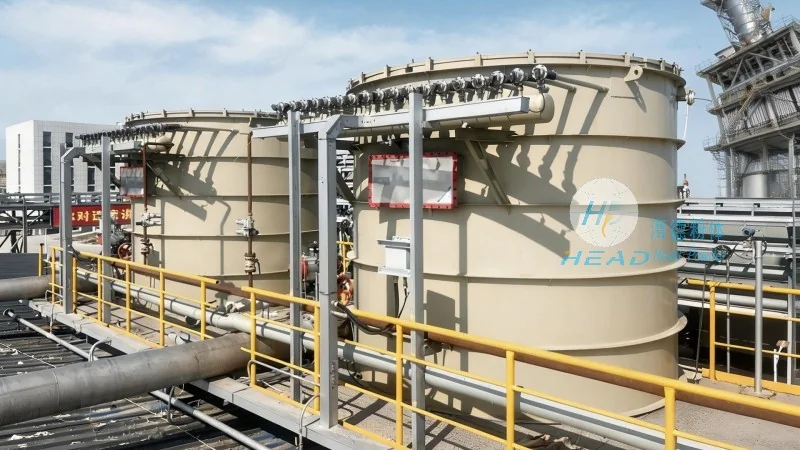
Conclusion
Lysine material handling conveyors are essential equipment in the lysine production industry, designed to efficiently and safely transport lysine materials through various processing stages. The design principles, components, and applications of these systems are tailored to meet the specific needs of lysine handling, ensuring product quality, operational efficiency, and safety. By leveraging advanced engineering and materials, these conveyors provide significant benefits to lysine production facilities, including improved throughput, reduced costs, and enhanced product consistency. As the demand for lysine continues to grow, the importance of reliable material handling systems will only increase, making lysine material handling conveyors a critical component of modern lysine production operations.
For businesses in the lysine industry, investing in high-quality lysine material handling conveyors is a strategic decision that can lead to long-term operational success. The expertise and experience of companies like Shandong HeadPowder Engineering Co., Ltd. in designing and manufacturing these systems ensure that facilities can achieve optimal performance and meet industry standards. With a focus on quality, efficiency, and customer satisfaction, Shandong HeadPowder Engineering Co., Ltd. provides tailored solutions that address the unique challenges of lysine material handling, helping companies in China and around the world maximize their production capabilities and maintain a competitive edge in the market.




