Understanding polyolefin material handling is crucial for industries that rely on efficient and reliable transport of these versatile polymers. Polyolefins, such as polyethylene (PE) and polypropylene (PP), are widely used in manufacturing processes due to their durability, flexibility, and cost-effectiveness. However, handling these materials requires specialized equipment and design considerations to ensure optimal performance and safety.
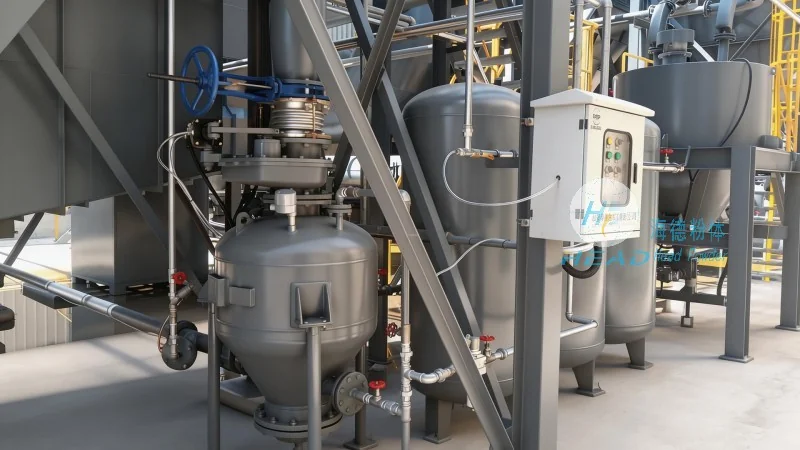
Polyolefin Material Handling: An Overview
Polyolefin material handling refers to the processes and systems used to transport, store, and manage polyolefin-based materials. This includes raw materials, finished products, and intermediate components. The primary goal of such systems is to enhance productivity, minimize downtime, and maintain the quality of the polyolefin products throughout the handling process. Effective material handling is essential for manufacturers to meet production demands and maintain competitive advantages in the market.
Key Design Principles for Polyolefin Material Handling Systems
The design of polyolefin material handling systems involves several critical principles that ensure efficiency and safety. These principles are tailored to the unique properties of polyolefins, which can vary in density, temperature sensitivity, and mechanical strength. The following are the fundamental design considerations:
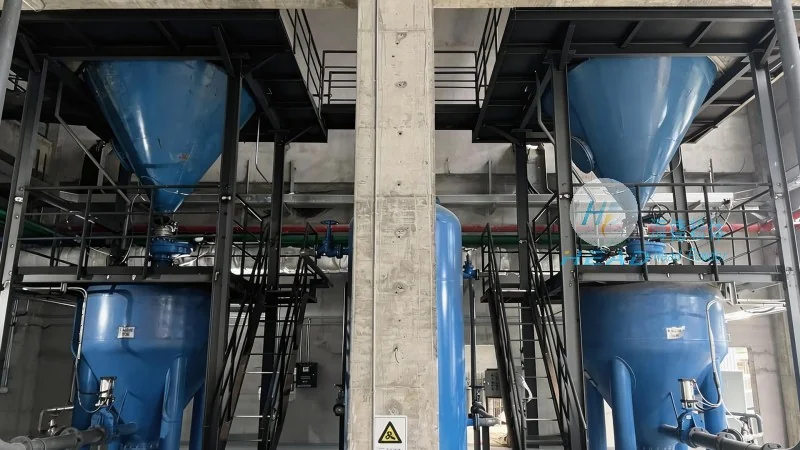
System Components and Their Functions
A typical polyolefin material handling system comprises several key components, each playing a vital role in the overall operation. These components include:
- Conveyors: Conveyors are the backbone of most material handling systems. For polyolefins, options like belt conveyors, screw conveyors, and pneumatic conveyors are commonly used. Belt conveyors are ideal for transporting loose or bulk polyolefin materials over short to medium distances, while screw conveyors are suitable for vertical or inclined transport due to their ability to handle materials with varying moisture content. Pneumatic conveyors, or air slides, are particularly effective for fine powders or granules, as they use air pressure to move materials through a system of pipes.
- Hoppers and Bins: Hoppers and storage bins are used to store and feed polyolefin materials into the conveying system. These containers are designed to minimize material degradation and ensure a consistent flow rate. For polyolefins, hoppers are often equipped with liners or coatings to prevent adhesion and maintain material integrity. The design of hoppers also considers the material's flow characteristics, such as angle of repose and bulk density, to prevent bridging or clogging.
- Valves and Controls: Valves and control systems regulate the flow of polyolefin materials through the system. These components are crucial for maintaining consistent pressure and flow rates, preventing overloading, and ensuring safety. For example, rotary valves are commonly used to control the discharge of polyolefin powders from hoppers, while pneumatic control systems manage the operation of air slides and other pneumatic conveying equipment.
- Equipment for Handling Specialized Polyolefins: Some polyolefin materials, such as high-density polyethylene (HDPE) or polypropylene (PP) with additives, require specialized handling equipment. For instance, materials with high temperature sensitivity may need cooling systems or insulated conveying lines to prevent degradation. Similarly, materials that are prone to static electricity may require anti-static measures, such as grounding or ionizing equipment, to prevent material buildup and ensure safe operation.
Material Selection and Compatibility
The choice of materials for components in a polyolefin handling system is critical to prevent contamination and ensure durability. Polyolefins are generally compatible with a wide range of materials, but certain components may require specific materials to avoid chemical reactions or material degradation. For example, metal components may be coated with non-stick materials or treated to prevent adhesion of polyolefin powders. Additionally, the selection of materials considers factors such as temperature resistance, wear resistance, and chemical compatibility with the polyolefin being handled. For instance, stainless steel is often used for components that come into direct contact with polyolefin materials due to its corrosion resistance and ability to maintain material purity.
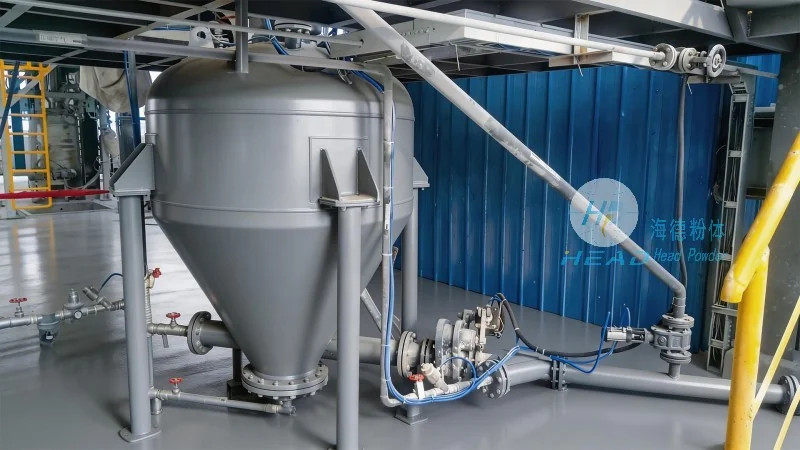
System Integration and Automation
Modern polyolefin material handling systems often integrate automation and control technologies to enhance efficiency and reduce human error. Automation can include sensors to monitor material levels, flow rates, and temperature, as well as control systems to adjust conveyor speeds or valve positions based on real-time data. This integration allows for more precise control over the handling process, leading to improved productivity and reduced waste. Additionally, automation can improve safety by minimizing the need for manual handling of potentially hazardous materials or by providing alerts for abnormal conditions.
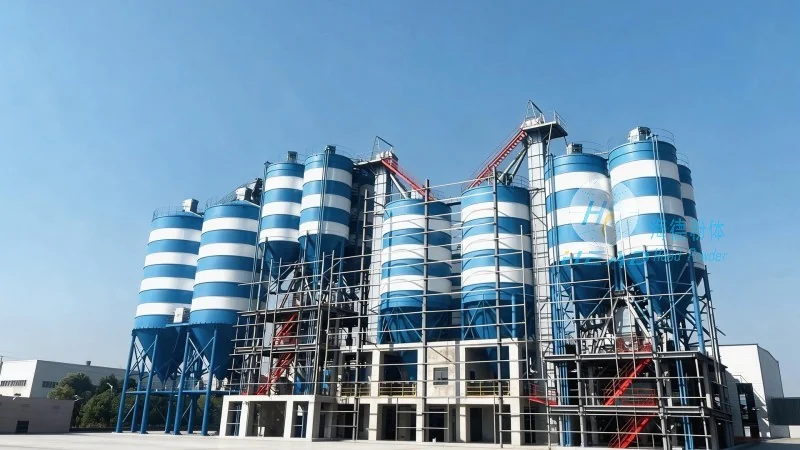
Case Study: A Typical Polyolefin Handling System
Consider a manufacturing plant that processes polypropylene (PP) granules for plastic injection molding. The plant uses a combination of screw conveyors, hoppers, and pneumatic conveyors to transport PP granules from storage to the molding machines. The system is designed with the following components:
- A large storage bin to hold raw PP granules, equipped with a level sensor to monitor inventory levels.
- A screw conveyor to transport the granules from the storage bin to a processing hopper, which is equipped with a rotary valve to control the discharge rate.
- A pneumatic conveyor to transport the granules from the processing hopper to the molding machines, which are equipped with a dosing system to ensure accurate material feed.
The system is controlled by a central control panel that monitors all components and adjusts parameters as needed. The use of automation and precise control ensures that the PP granules are handled efficiently and consistently, meeting the production requirements of the molding machines. This example illustrates how the design principles discussed earlier are applied in a real-world scenario to achieve optimal performance.




