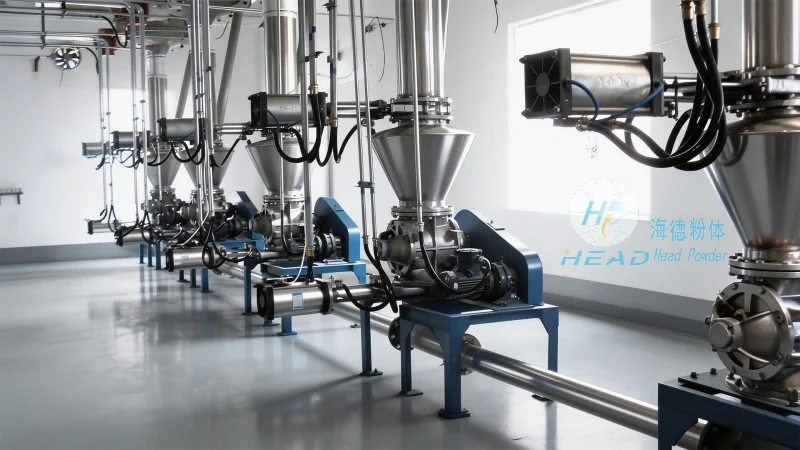
Monocrystalline silicon powder conveyors are specialized equipment designed to handle and transport fine silicon powder, a critical material in the semiconductor and solar energy industries. These conveyors are engineered to ensure efficient, reliable, and safe movement of silicon powder, which is essential for the production of high-purity monocrystalline silicon wafers used in solar panels and microelectronics. The design of such conveyors must address unique challenges posed by silicon powder, including its fine particle size, potential for static charge, and the need for high-purity environments.
Introduction to Monocrystalline Silicon Powder Conveyors
Monocrystalline silicon powder conveyors are specialized systems engineered to transport fine silicon powder, a key raw material in the semiconductor and photovoltaic industries. These conveyors are designed to maintain the purity and integrity of the silicon powder, which is crucial for producing high-quality monocrystalline silicon wafers used in solar cells and electronic components. Companies like Shandong HeadPowder Engineering Co., Ltd. specialize in developing such conveyors, leveraging advanced engineering to meet the stringent requirements of modern silicon processing.
Key Design Principles of Monocrystalline Silicon Powder Conveyors
The design of monocrystalline silicon powder conveyors is guided by several critical principles to ensure optimal performance and material handling. First, the equipment must minimize particle attrition and contamination, as even small amounts of impurities can degrade the quality of the final silicon wafers. This is achieved through the use of smooth, non-abrasive surfaces and sealed systems that prevent dust ingress. Second, the conveyor must manage static electricity, which can cause silicon powder to cling to surfaces and lead to material loss or safety hazards. Anti-static materials and grounding systems are integrated into the design to mitigate this risk. Third, the system is engineered for high-purity operation, often incorporating cleanroom-compatible components and materials that do not introduce contaminants into the silicon powder. Additionally, the conveyor is designed for efficient material flow, with adjustable speed and direction controls to accommodate varying production demands. The overall design balances functionality with durability, ensuring long-term reliability in demanding industrial environments.
Components and Functional Aspects of the Conveyor System
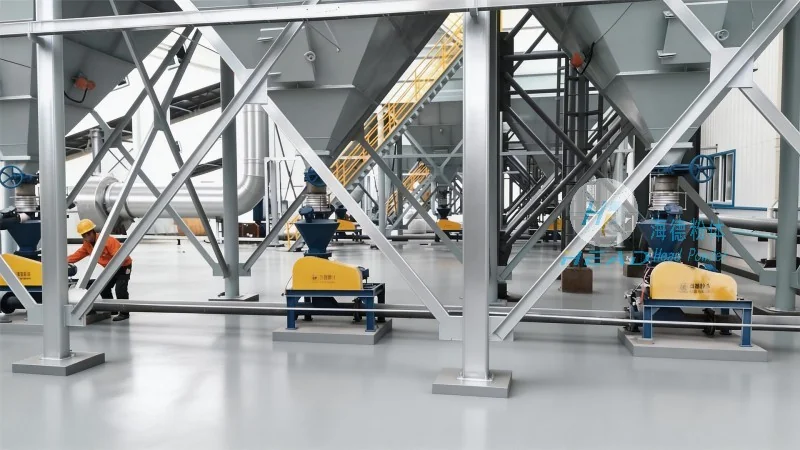
Monocrystalline silicon powder conveyors typically consist of several key components that work in concert to achieve efficient material transport. The primary components include a hopper for material storage, a feeding mechanism (such as a rotary valve or screw feeder) to control the flow of powder, a conveyor belt or tube system to move the powder, and a discharge mechanism to release the material at the desired location. The hopper is often equipped with a level sensor to monitor the powder inventory and trigger feeding when the level drops below a set point. The feeding mechanism ensures a consistent and controlled flow of powder, preventing overloading or underfeeding that could disrupt the conveyor operation. The conveyor belt or tube is made from materials that are non-reactive with silicon powder, such as PTFE-coated or stainless steel, to avoid contamination. The discharge mechanism may include a rotary valve or a controlled outlet to direct the powder to the next processing stage. The system may also incorporate a dust collection and filtration system to capture any airborne particles and maintain a clean environment. Each component is carefully selected and integrated to ensure seamless operation and adherence to industry standards for material purity and safety.
Applications and Benefits in Silicon Processing
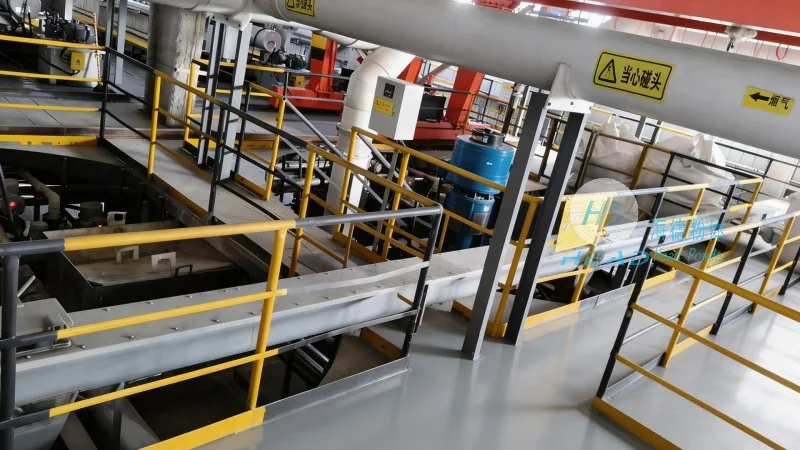
Monocrystalline silicon powder conveyors play a vital role in the production of high-purity silicon wafers, which are essential for solar panels and microelectronics. The equipment is used in various stages of silicon processing, including material handling, mixing, and feeding into furnaces for crystal growth. The primary benefits of using such conveyors include improved material handling efficiency, reduced downtime due to maintenance, and enhanced product quality through minimized contamination. By ensuring a consistent and controlled flow of silicon powder, the conveyors help maintain uniformity in the final silicon wafers, which is critical for their performance in solar cells and electronic devices. Additionally, the design of the conveyors reduces the risk of material loss and improves safety in the workplace by managing static electricity and preventing dust explosions. The use of advanced materials and engineering in the conveyor design also contributes to longer equipment life and lower maintenance costs, making it a cost-effective solution for silicon processing facilities.
Company Profile: Shandong HeadPowder Engineering Co., Ltd.
Shandong HeadPowder Engineering Co., Ltd., commonly known as HeadPowder, is a leading manufacturer of specialized powder handling equipment, including monocrystalline silicon powder conveyors. The company is headquartered in Shandong, China, and has established itself as a trusted provider of high-quality, customized conveyor systems for the semiconductor and solar energy industries. HeadPowder’s team of engineers and technicians specializes in designing and manufacturing conveyors that meet the unique requirements of silicon powder processing, ensuring that the equipment is reliable, efficient, and compliant with industry standards. The company’s commitment to quality and innovation has earned it a reputation for producing durable and effective conveyor systems that enhance the productivity and safety of silicon processing operations. With a focus on customer satisfaction and technical excellence, HeadPowder continues to be a key player in the development of advanced powder handling solutions for the modern silicon industry.




