Metallurgical coke is a critical raw material in the steelmaking process, and its efficient handling and transportation are essential for industrial operations. HeadPowder, a leading manufacturer of industrial conveying equipment, specializes in designing and producing metallurgical coke powder conveying machines tailored to the needs of steel mills and other industrial facilities. This article explores the fundamental aspects of this equipment, including its design principles and operational mechanisms, with a focus on the expertise and solutions provided by HeadPowder.
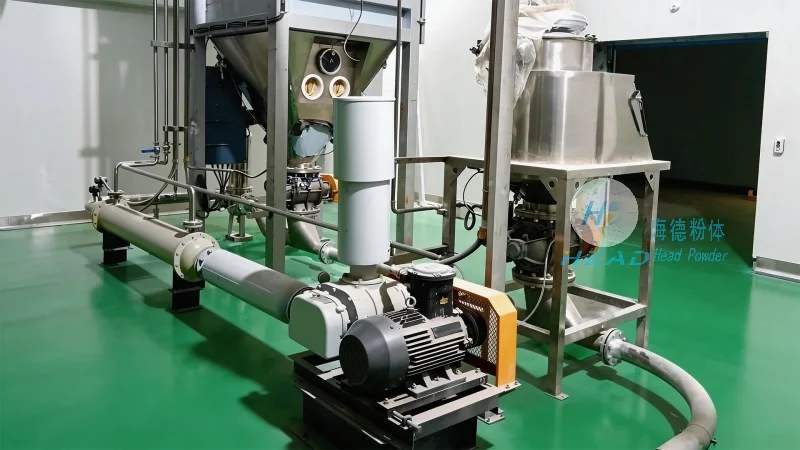
Understanding the Metallurgical Coke Powder Conveying Machine
The metallurgical coke powder conveying machine is engineered to handle the unique properties of coke powder, which includes its fine particle size, low bulk density, and potential for dust generation. These characteristics require specialized design features to ensure reliable and efficient transport. The machine typically consists of several key components, including a hopper, a feeding mechanism, a conveying system (such as a screw conveyor or pneumatic conveyor), and a control system. Each component plays a crucial role in the overall performance of the equipment.
Design Principles of the Metallurgical Coke Powder Conveying Machine
The design of a metallurgical coke powder conveying machine is guided by several key principles to ensure optimal performance and safety. First, the equipment must be capable of handling the fine particle size of coke powder without causing blockages or clogging. This is achieved through the use of smooth, non-stick surfaces and proper feeding mechanisms that maintain a consistent flow rate. Second, the machine must minimize dust generation and ensure proper containment to prevent environmental pollution and ensure worker safety. This is typically accomplished through the use of sealed systems and dust collection mechanisms.
Third, the conveying system must be designed to maintain the integrity of the coke powder, avoiding excessive pressure or friction that could degrade the material's quality. This is critical for maintaining the quality of the coke powder for steelmaking applications. The design also considers the need for easy maintenance and cleaning, as coke powder can adhere to surfaces and require regular maintenance to prevent operational issues.
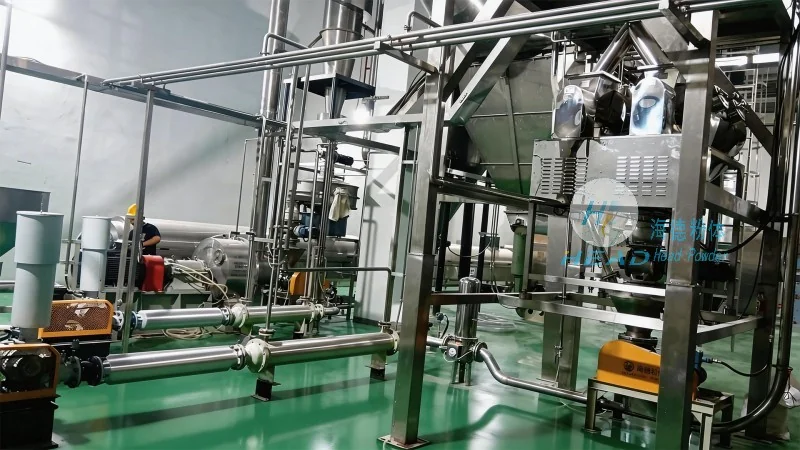
Key Components and Their Functions
The hopper at the inlet of the conveying machine is designed to store and feed the coke powder into the system. It is typically made of durable materials, such as stainless steel or high-density polyethylene, to withstand the abrasive nature of the coke powder. The feeding mechanism, often a rotary valve or a screw feeder, controls the flow rate of the powder into the conveying system, ensuring a consistent and controlled feed.
The conveying system is the core of the machine, responsible for transporting the coke powder from the hopper to the discharge point. For metallurgical coke powder, pneumatic conveyors are commonly used due to their ability to handle fine powders and provide gentle handling. These systems use air pressure to move the powder through a pipeline, minimizing the risk of particle degradation. Alternatively, mechanical conveyors like screw conveyors can be used for shorter distances or when the powder is less abrasive.
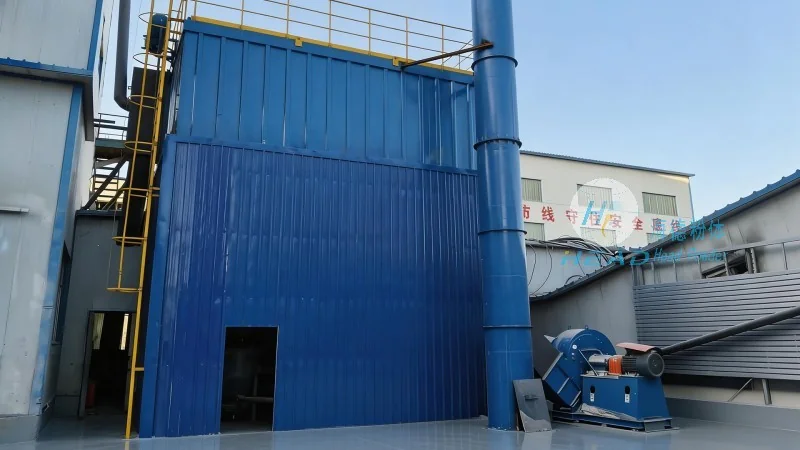
The control system is essential for monitoring and regulating the operation of the conveying machine. It includes sensors to detect the level of powder in the hopper and the flow rate, as well as controls to adjust the feeding and conveying speeds as needed. This ensures that the machine operates efficiently and safely, preventing overloading or underloading that could lead to equipment failure or material loss.
Applications and Benefits
The metallurgical coke powder conveying machine is widely used in steel mills and other industrial facilities that process metallurgical coke. Its primary function is to transport coke powder from storage to the blast furnace, where it is used as a fuel and a reducing agent. The benefits of using this equipment include improved efficiency in material handling, reduced labor costs, and enhanced safety by minimizing manual handling of the fine powder. Additionally, the equipment helps maintain the quality of the coke powder by preventing contamination and degradation during transport.
By adhering to the design principles outlined above, the metallurgical coke powder conveying machine ensures reliable and efficient operation, supporting the smooth running of steelmaking processes and contributing to the overall productivity of industrial operations. The equipment's ability to handle fine powders with minimal degradation and dust generation makes it an essential component in modern metallurgical facilities.




