Maltose powder conveying lines are specialized systems engineered to handle the transportation and processing of maltose powder efficiently. These systems are crucial in industries where maltose is a key ingredient, such as food and beverage production, pharmaceuticals, and chemical manufacturing. The design of these lines is tailored to meet the specific requirements of maltose powder, which includes considerations like its flowability, moisture content, and potential for caking or agglomeration.
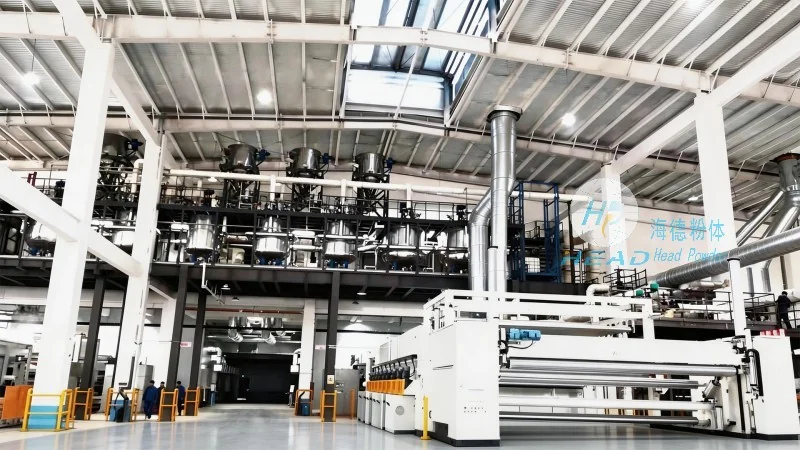
Key Components of a Maltose Powder Conveying Line
The core components of a maltose powder conveying line typically include feeders, conveyors, storage silos, and control systems. Feeders are used to regulate the flow of maltose powder from storage bins or hoppers into the conveying system. Common types of feeders include rotary valves, vibratory feeders, and screw feeders, each chosen based on the powder's characteristics and the desired flow rate. Conveyors, such as pneumatic or mechanical systems, transport the powder from one point to another within the production facility. Storage silos are used to hold large quantities of maltose powder, ensuring a steady supply for continuous operation. Control systems, often integrated with sensors and automation, monitor and adjust the conveying process to maintain consistent performance and prevent issues like overfilling or underflow.
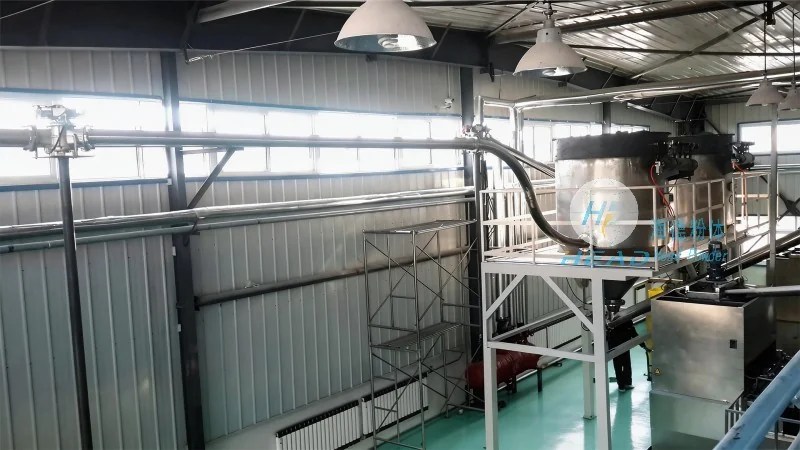
Design Principles for Maltose Powder Conveying Lines
The design principles of maltose powder conveying lines are centered on ensuring efficient, safe, and reliable operation. One of the primary principles is to minimize the risk of powder degradation or contamination. This involves using materials that are compatible with maltose powder, such as stainless steel or food-grade plastics, to prevent chemical reactions or absorption of moisture. Another key principle is to maintain consistent flow rates, which is critical for maintaining product quality and preventing blockages. This is achieved through the use of precise control mechanisms and regular maintenance of the conveying equipment. Additionally, the design must consider the space constraints of the production facility, ensuring that the conveying line is compact and easy to integrate into existing workflows. The system should also be designed for easy cleaning and maintenance, as maltose powder can be sticky and prone to residue buildup.
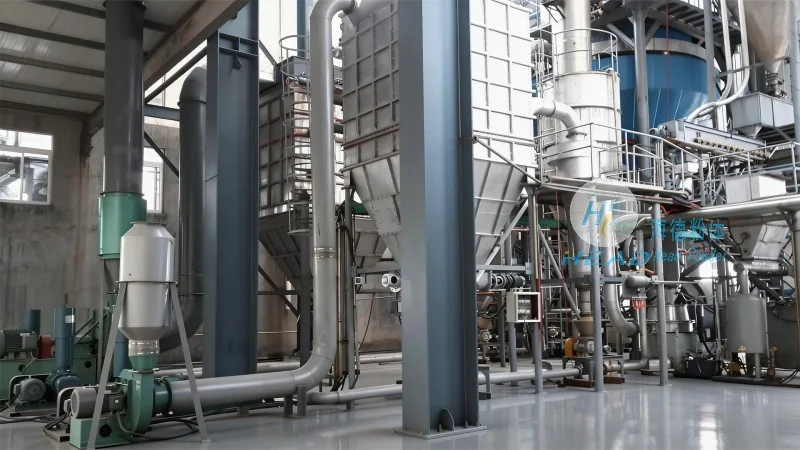
Applications of Maltose Powder Conveying Lines
Maltose powder conveying lines are widely used in various industries where maltose is a critical component. In the food and beverage industry, these systems are used to transport maltose for use in sweeteners, beverages, and baked goods. The pharmaceutical industry utilizes maltose powder conveying lines to ensure the accurate and safe delivery of maltose in drug formulations. In chemical manufacturing, these systems are employed to handle maltose as a raw material for other chemical processes. The versatility of maltose powder conveying lines makes them essential in any production environment where consistent and reliable powder handling is required.
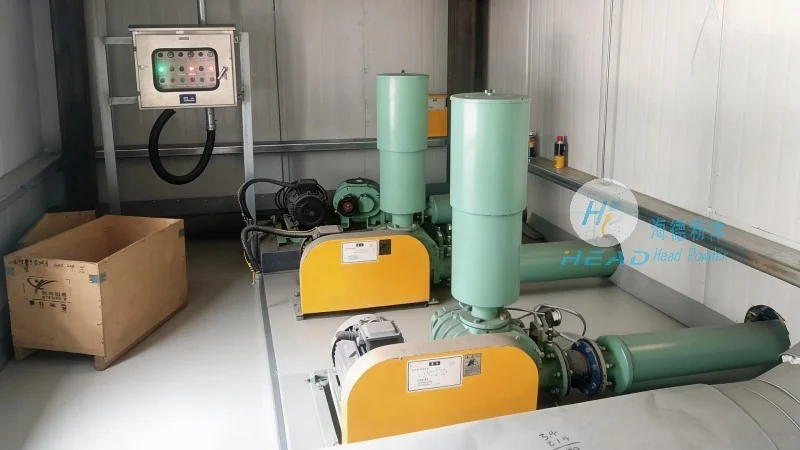
Advantages of Using a Maltose Powder Conveying Line
Implementing a maltose powder conveying line offers several advantages for businesses. Firstly, it improves operational efficiency by automating the powder handling process, reducing the need for manual labor and minimizing the risk of human error. This leads to increased productivity and reduced labor costs. Secondly, the system enhances product quality by maintaining consistent flow rates and preventing contamination, which is crucial in industries where product purity is paramount. Thirdly, the design of these lines minimizes the risk of dust explosions or other safety hazards, as they are typically equipped with explosion-proof features and dust collection systems. Finally, the system is scalable, allowing businesses to expand their production capacity as needed without significant modifications to the conveying line.




