For industrial applications that require the efficient and safe transportation of dry powders and dust materials, a specialized system known as a dry powder dust powder conveying line is essential. This technology is widely used in industries such as pharmaceuticals, food processing, chemical manufacturing, and mining, where the handling of powders and dust is critical to production processes. The design and implementation of such systems are crucial for optimizing operational efficiency and maintaining safety standards, and companies like Shandong HeadPowder Engineering Co., Ltd. specialize in providing tailored solutions for these needs.
Introduction to Dry Powder Dust Powder Conveying Lines
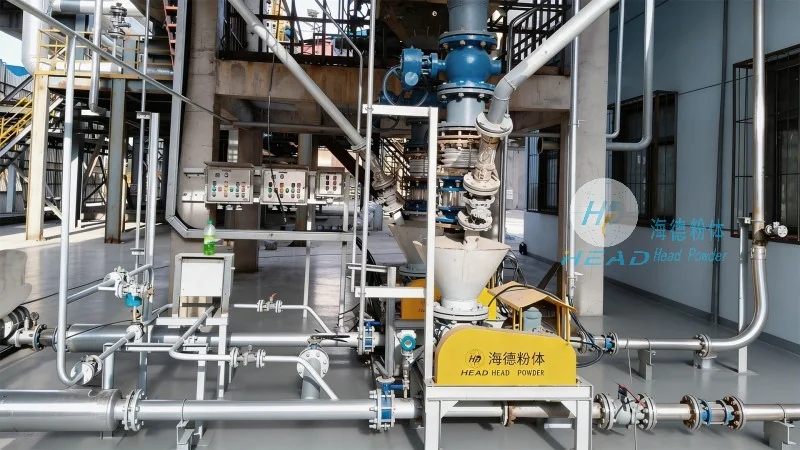
A dry powder dust powder conveying line is a mechanical system engineered to transport dry particulate materials through a pipeline network. These systems are commonly used in industries such as pharmaceuticals, food processing, chemical manufacturing, and mining, where the handling of powders and dust is integral to production processes. The primary goal of these lines is to move materials from a source point to a destination point without compromising material integrity or causing environmental contamination.
Key Components of a Dry Powder Dust Powder Conveying Line
The design of a dry powder dust powder conveying line typically involves several critical components that work in concert to achieve efficient material transport. These components include:
1. Feeding Equipment: This component is responsible for introducing the dry powder or dust material into the conveying system. Common feeding devices include screw feeders, rotary valves, and vibratory feeders. The choice of feeder depends on the material's properties, such as flowability, bulk density, and particle size. For example, a rotary valve is often used for its ability to control the flow rate and prevent material buildup, which is crucial for maintaining consistent material delivery.
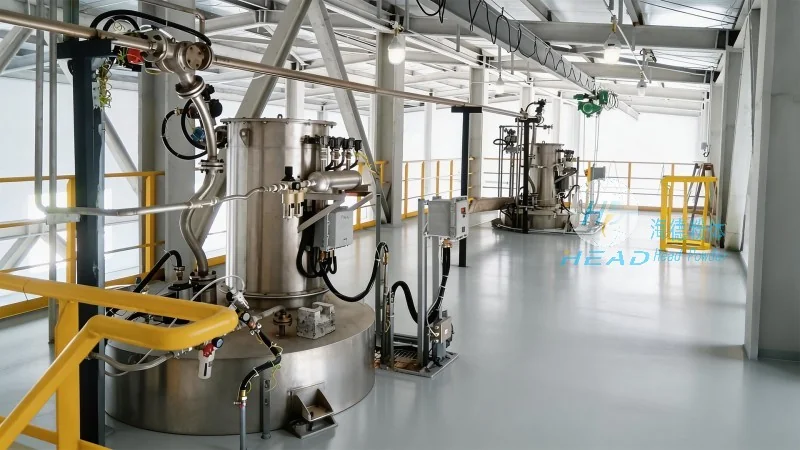
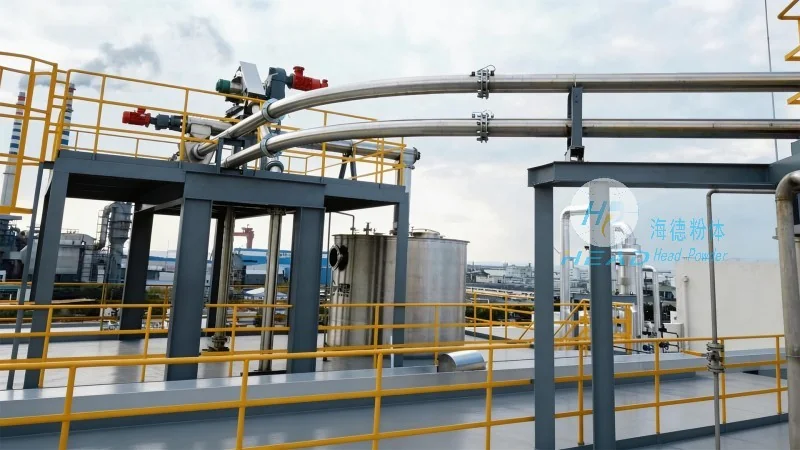
2. Pneumatic Conveying System: This is the core of the dry powder dust powder conveying line, utilizing air pressure to move the material through the pipeline. The system typically consists of a blower or compressor that generates the necessary airflow, along with a network of pipes, elbows, and tees to direct the material. The air velocity and pressure are carefully controlled to ensure that the material is carried efficiently without causing excessive wear on the system components or material degradation.
3. Separation and Collection Units: At the end of the conveying line, separation and collection units are used to remove the material from the air stream and collect it in a container or storage bin. These units may include cyclones, bag filters, or cartridge filters, depending on the material's characteristics and the required level of filtration. The effectiveness of these units is critical for maintaining air quality and preventing dust emissions.
4. Control and Monitoring Systems: Modern dry powder dust powder conveying lines are equipped with control systems that monitor and regulate the operation of the components. These systems may include sensors for measuring pressure, flow rate, and material level, as well as controllers that adjust the blower speed or feeder settings in real-time. This automation ensures that the system operates within optimal parameters, reducing downtime and improving overall efficiency.
Design Principles for Dry Powder Dust Powder Conveying Lines
The design of a dry powder dust powder conveying line is based on several key principles that ensure its effectiveness and reliability. These principles include:
1. Material Compatibility: The design must consider the specific properties of the material being conveyed, such as its particle size distribution, bulk density, and moisture content. For instance, fine powders may require higher air velocities to prevent clogging, while bulkier dust may need larger pipes and lower velocities to maintain flow. The choice of materials for the system components, such as stainless steel or plastic, is also critical to prevent corrosion or material contamination.
2. System Sizing and Layout: The conveying line's layout and pipe sizing are determined based on the material's flow characteristics and the required transport distance. The system must be designed to maintain the material in a suspended state within the air stream, which is achieved by ensuring that the air velocity is sufficient to overcome the material's settling velocity. Proper pipe sizing and the use of appropriate fittings, such as elbows and tees, are essential to minimize pressure losses and maintain efficient material transport.
3. Pressure and Flow Management: The design must account for the pressure drop across the system components and the overall flow rate. The blower or compressor must be sized to provide the necessary airflow while maintaining the required pressure to overcome friction losses in the pipes and fittings. Proper pressure management is crucial to prevent material degradation, such as agglomeration or compaction, which can affect the material's quality and handling characteristics.
4. Safety and Environmental Considerations: The design of a dry powder dust powder conveying line must incorporate safety features to protect operators and the environment. This includes the use of explosion-proof components for flammable materials, dust collection systems to prevent air pollution, and emergency shutdown mechanisms to prevent accidents. Additionally, the system should be designed to minimize material loss and prevent cross-contamination between different materials.
Applications and Benefits of Dry Powder Dust Powder Conveying Lines
Dry powder dust powder conveying lines are widely used in various industrial applications due to their versatility and efficiency. Some common applications include:
1. Pharmaceutical Manufacturing: In the pharmaceutical industry, these systems are used to transport active pharmaceutical ingredients (APIs) and excipients with high precision and minimal contamination. The design of the system must meet stringent regulatory requirements for cleanliness and material integrity.
2. Food Processing: For food processing facilities, dry powder dust powder conveying lines are used to handle ingredients such as flour, sugar, and spices. The system must be designed to maintain food safety standards, including the use of sanitary materials and effective dust collection.
3. Chemical Manufacturing: In chemical plants, these systems are used to transport raw materials and finished products, such as powders and dusts. The design must consider the chemical properties of the materials, including their reactivity and potential for corrosion.
4. Mining and Minerals Processing: Mining operations use dry powder dust powder conveying lines to transport ore and tailings from processing plants to storage or disposal sites. The system must be robust enough to handle abrasive materials and high volumes of material.
Overall, the benefits of using a dry powder dust powder conveying line include improved operational efficiency, reduced labor costs, minimized material loss, and enhanced safety and environmental compliance. By carefully designing and implementing such a system, industrial facilities can achieve reliable and cost-effective material transport while maintaining high standards of quality and safety.
Conclusion
In conclusion, a dry powder dust powder conveying line is a sophisticated system designed to efficiently transport dry particulate materials in industrial settings. The design of such a system is based on careful consideration of material properties, system sizing, and operational requirements. By incorporating appropriate components and adhering to key design principles, these systems can provide reliable material transport while ensuring safety and environmental compliance. For industries that rely on the handling of powders and dust, investing in a well-designed dry powder dust powder conveying line is essential for optimizing production processes and maintaining high standards of quality and safety.




