A carbon powder pneumatic conveying system is a specialized industrial equipment designed to transport carbon powder materials through a pipeline using air or gas as the conveying medium. This technology is widely used in various industries, including printing, electronics, and chemical manufacturing, where the efficient and clean transfer of fine powders is crucial. The system operates by creating a pressure differential within the pipeline, which propels the carbon powder particles along the path from the source to the destination. Unlike traditional mechanical conveyors, pneumatic systems offer advantages such as reduced material contamination, lower maintenance requirements, and the ability to handle materials with high moisture content or abrasive properties.
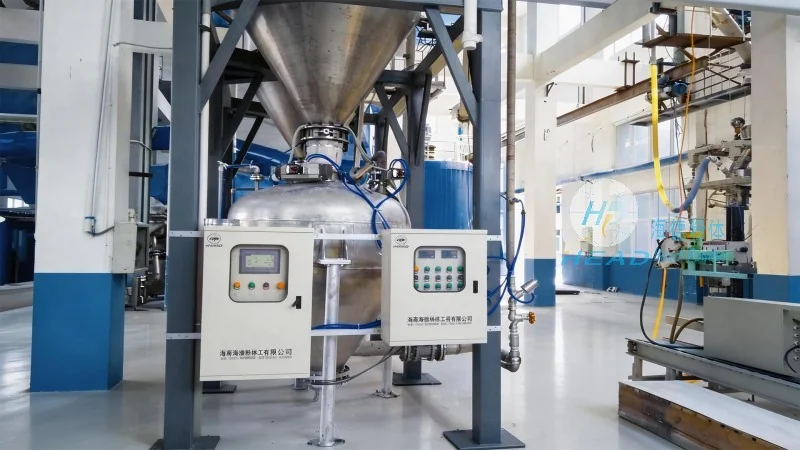
Design Principles of Carbon Powder Pneumatic Conveying Systems
The design of a carbon powder pneumatic conveying system involves several key principles to ensure optimal performance and reliability. The first principle is the selection of the appropriate conveying medium, typically air or a mixture of air and inert gases, depending on the material's characteristics and the required transport distance. The system's design must consider the particle size, density, and flowability of the carbon powder, as these factors directly impact the pressure drop and energy consumption. For instance, fine carbon powders may require higher air velocities to prevent clogging, while larger particles might need lower velocities to maintain stability. The pipeline layout is another critical design aspect, as it influences the system's efficiency and the risk of material deposition. Properly sized and inclined pipelines, along with the inclusion of expansion joints and bends, help minimize pressure losses and maintain consistent flow. Additionally, the system incorporates components like feeders, cyclones, and filters to control the material's flow rate and separate the powder from the air stream, ensuring a clean and efficient transfer process.
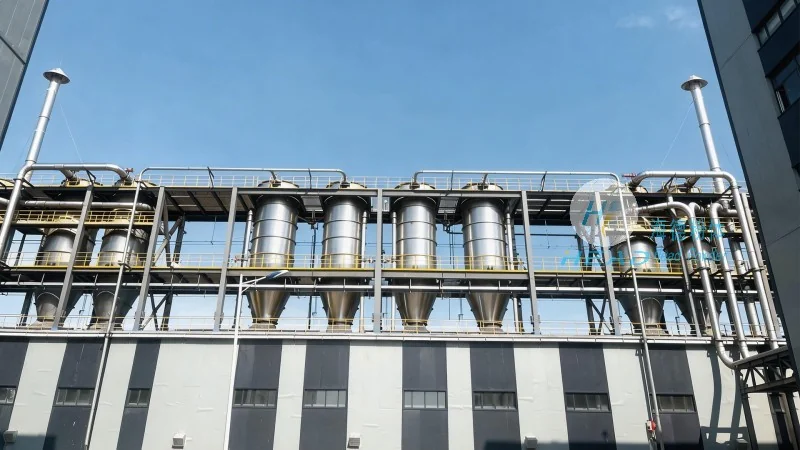
Components and Functionality of the System
The carbon powder pneumatic conveying system consists of several interconnected components, each playing a vital role in the overall operation. The primary components include the material hopper, which stores the carbon powder and provides a controlled feed to the system; the feeder, which regulates the flow rate of the powder into the pipeline; the air compressor or blower, which generates the necessary pressure to move the material; the pipeline network, which transports the powder from the source to the destination; and the receiver, which collects the material at the end of the line. The hopper is typically equipped with a level indicator and a discharge valve to maintain consistent material supply. The feeder, often a rotary valve or a screw feeder, ensures a steady and uniform flow of the carbon powder, preventing blockages and maintaining system efficiency. The air compressor or blower is responsible for generating the pressure differential, with the choice of equipment depending on the system's capacity and the required pressure. The pipeline network is designed with appropriate diameters and inclinations to minimize pressure losses and ensure smooth material transport. The receiver, usually a hopper or a storage tank, collects the carbon powder and may include a discharge valve for further processing. The system may also include auxiliary components such as cyclones, which separate the powder from the air stream, and filters, which clean the air before it is released back into the environment.
Advantages and Applications of Carbon Powder Pneumatic Conveying Systems
Carbon powder pneumatic conveying systems offer several advantages over traditional mechanical conveyors, making them a preferred choice in many industrial applications. One of the key advantages is the ability to handle fine and abrasive carbon powders without causing material degradation or contamination. The system's enclosed design prevents dust from escaping into the environment, reducing health hazards and maintaining a clean working environment. Additionally, pneumatic systems are more flexible in terms of layout, as they can be installed in various configurations, including vertical, horizontal, or inclined pipelines, to accommodate different plant layouts. The system's low maintenance requirements and reduced downtime also contribute to its cost-effectiveness, as it eliminates the need for frequent cleaning and maintenance associated with mechanical conveyors. The applications of carbon powder pneumatic conveying systems are diverse, ranging from the transportation of carbon black in the printing industry to the handling of carbon powders in the electronics manufacturing sector. In the printing industry, these systems are used to transport carbon powder from storage to the printing presses, ensuring a consistent and high-quality supply of ink. In electronics manufacturing, the system is used to transport carbon powders for the production of electronic components, such as conductive pastes and carbon-based coatings. The system's ability to handle high volumes of material efficiently makes it suitable for large-scale production lines, where consistent material supply is critical for maintaining production rates.
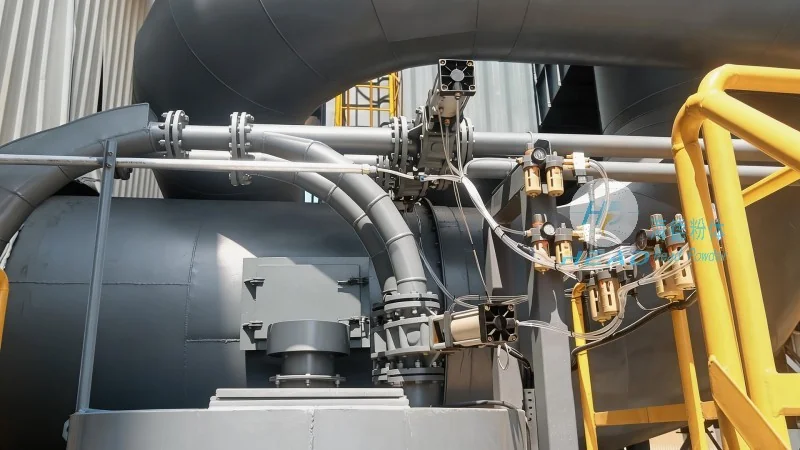
Conclusion and Company Information
Carbon powder pneumatic conveying systems are essential equipment in modern industrial processes, providing efficient and reliable transportation of carbon powder materials. The design principles and components of these systems are carefully engineered to ensure optimal performance, minimal maintenance, and environmental compliance. As a leading provider in this field, Shandong HeadPowder Engineering Co., Ltd. specializes in the design, manufacturing, and installation of high-quality carbon powder pneumatic conveying systems. With years of experience and a commitment to innovation, the company offers customized solutions tailored to the specific needs of its clients. Based in Shandong, China, Shandong HeadPowder Engineering Co., Ltd. leverages advanced technology and rigorous quality control to deliver systems that meet the highest industry standards. Whether for printing, electronics, or other industries, the company's carbon powder pneumatic conveying systems are designed to enhance productivity, reduce costs, and ensure the safe and efficient handling of carbon powder materials.




