For industries dealing with polypropylene resin powders, efficient and reliable material handling is crucial. Pneumatic conveying systems offer a solution that minimizes dust, reduces material loss, and enhances overall operational safety. This article provides an in-depth analysis of such systems, focusing on their design, functionality, and practical applications.
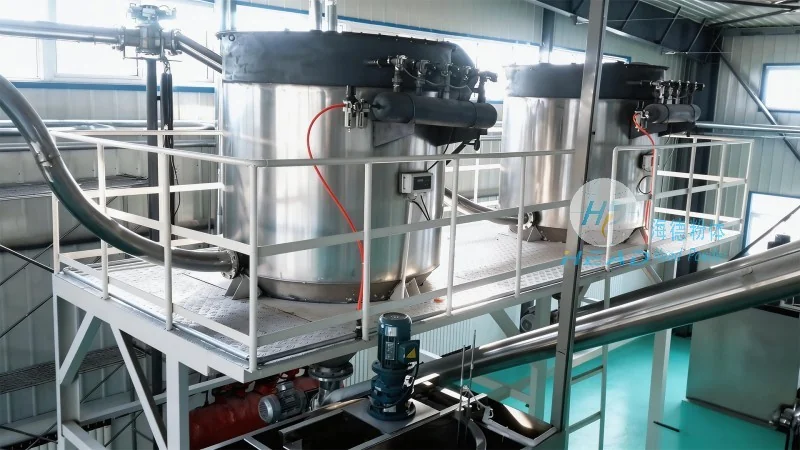
About Shandong HeadPowder Engineering Co., Ltd.
HeadPowder, or Shandong HeadPowder Engineering Co., Ltd., is a leading provider of specialized engineering solutions for material handling and processing. With a strong presence in China, particularly in Shandong, the company specializes in designing and manufacturing pneumatic conveying systems tailored to the needs of various industrial sectors. The company’s expertise lies in understanding the unique challenges of handling polypropylene resin powders, ensuring that their systems are both efficient and durable.
Key Components of Pneumatic Conveying Systems for Polypropylene Resin
The core of any pneumatic conveying system for polypropylene resin powder involves several critical components that work in tandem to ensure smooth material transport. These include the hopper or feeder, which holds the resin powder; the air compressor or blower that generates the necessary air pressure; the pipeline network that transports the material; and the control system that regulates the flow. Each component is carefully selected and engineered to handle the specific properties of polypropylene resin, such as its fine particle size and potential for static charge accumulation. The hopper or feeder is designed to store the polypropylene resin powder and feed it into the system at a controlled rate. This component is typically made of stainless steel or other corrosion-resistant materials to prevent contamination and ensure durability. The air compressor or blower generates the necessary air pressure to move the material through the pipeline. The choice of compressor depends on the required air volume and pressure, with options ranging from rotary lobe blowers to positive displacement compressors. The pipeline network consists of straight sections and fittings such as elbows, tees, and reducers, all designed to maintain consistent air flow and prevent pressure losses. The control system includes sensors and valves that regulate the air flow and material feed, ensuring smooth and safe operation.
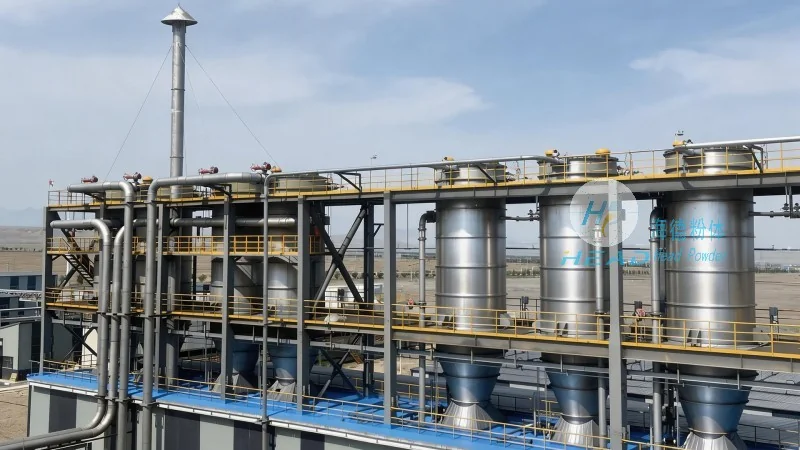
Advantages of Pneumatic Conveying Systems
Compared to traditional methods like belt conveyors or bucket elevators, pneumatic conveying systems offer several advantages. Firstly, they eliminate the need for physical contact between the material and the conveying equipment, reducing the risk of contamination and material degradation. Secondly, they are highly effective in controlling dust, which is a significant concern in polypropylene processing due to the fine particle size of the resin. Thirdly, these systems can handle both dilute and dense phase conveying, allowing for flexible operation based on the required throughput and distance. Additionally, they are relatively compact and can be integrated into existing production lines with minimal disruption. The ability to transport polypropylene resin powder over long distances without the need for multiple transfer points also contributes to operational efficiency.
Application Scenarios in the Polypropylene Industry
Pneumatic conveying systems are widely used in various stages of polypropylene resin processing. For instance, in the manufacturing of plastic products, these systems are employed to transport resin from storage silos to extrusion lines or injection molding machines. In recycling facilities, they help in moving reclaimed polypropylene from sorting to reprocessing equipment. The systems are also used in chemical plants where polypropylene is used as a raw material for other chemical processes. The versatility of pneumatic conveying makes it suitable for both small-scale and large-scale operations, adapting to the varying demands of different production environments. Whether it's for bulk handling in a manufacturing plant or precise dosing in a laboratory setting, pneumatic conveying systems provide reliable solutions for polypropylene resin powder transport.
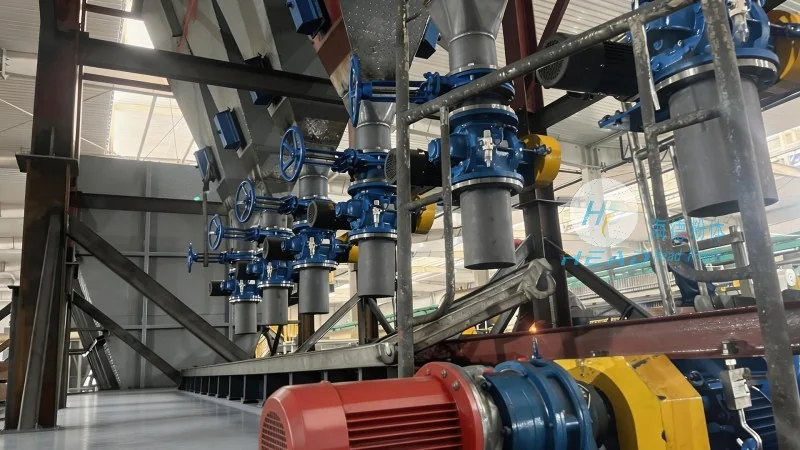
Design Considerations and Customization
When designing a pneumatic conveying system for polypropylene resin, several factors must be considered to ensure optimal performance. These include the particle size distribution of the resin, the moisture content, and the presence of any additives. The system must be designed to prevent material buildup and blockages, which can occur due to the fine nature of polypropylene powder. HeadPowder engineers take into account these variables to create customized solutions that meet the specific requirements of each client. This includes selecting the appropriate air velocity, pipeline diameter, and material flow rate to achieve the desired conveying efficiency. For example, in systems handling very fine polypropylene powders, higher air velocities may be required to prevent clogging, while larger pipeline diameters are used for higher throughput applications. The design also considers the need for static charge control, as polypropylene resin can accumulate static electricity, which may affect material flow and cause dust issues. Proper grounding and anti-static additives are incorporated into the system design to mitigate these risks.
Maintenance and Operational Tips
Proper maintenance is essential to ensure the longevity and efficiency of pneumatic conveying systems. Regular cleaning of the hopper and pipeline is necessary to prevent dust accumulation and blockages. The air compressor or blower should be checked regularly for wear and tear, and filters should be replaced as needed to maintain air quality. Additionally, monitoring the system’s pressure and flow rates can help identify any issues early on, preventing costly downtime. HeadPowder provides comprehensive maintenance services to ensure that their systems operate at peak performance, minimizing the need for repairs and extending the system’s lifespan. Routine inspections of the pipeline for signs of wear or corrosion are also recommended, as the abrasive nature of polypropylene resin can affect the integrity of the conveying components over time. By adhering to a regular maintenance schedule, users can maximize the operational life of their pneumatic conveying systems and maintain consistent performance.




