For industries dealing with the handling and transportation of glycine, an efficient and reliable conveying system is crucial. This article introduces the glycine conveying system and highlights the key advantages of air-pneumatic conveying technology for this application.
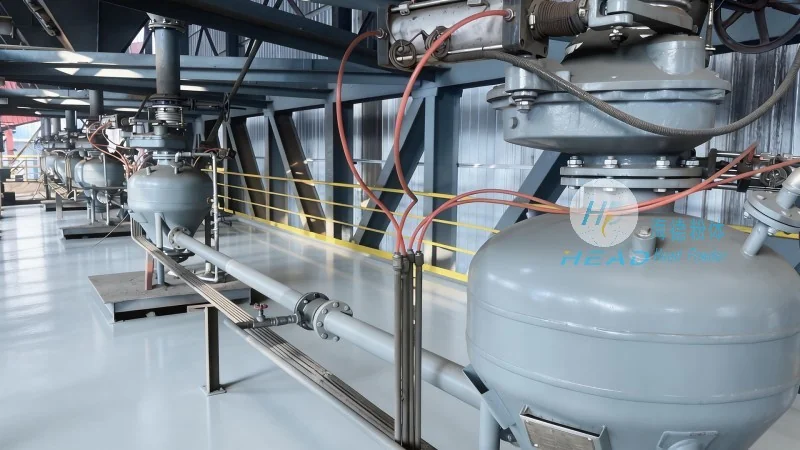
Glycine Conveying System Overview
The glycine conveying system is a specialized setup designed to transport glycine, a common amino acid, from storage or production areas to processing or packaging units. Such systems are integral to the workflow in chemical, pharmaceutical, and food processing industries where glycine is used as an ingredient or raw material. The system typically includes components like hoppers, conveyors, and control units, all engineered to handle the specific properties of glycine, including its granular or powder form and potential moisture content.
Key Components of the Glycine Conveying System
At the core of the glycine conveying system are several critical components that ensure smooth operation. The hopper serves as the initial storage and feeding point, where glycine is loaded and then metered into the conveying line. The conveyor itself, often a pneumatic or mechanical type, transports the material through a network of pipes or ducts. Control units manage the flow rate, pressure, and other operational parameters to maintain consistent and safe transport. Additionally, safety features such as dust collection systems and pressure relief valves are integrated to handle potential hazards associated with handling powders.
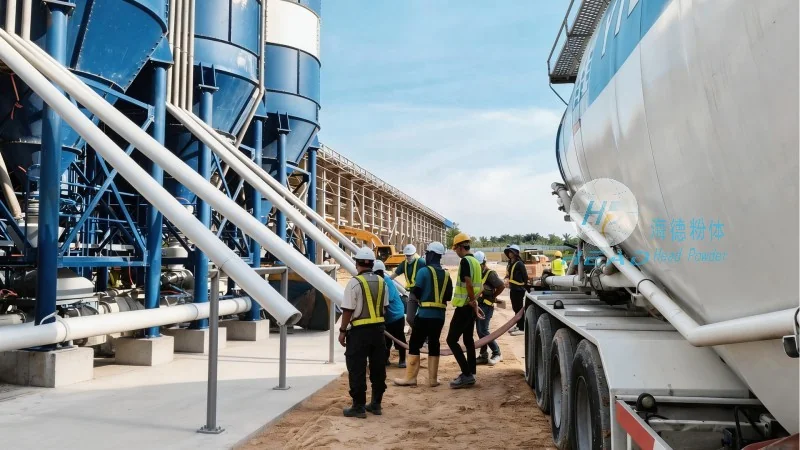
Advantages of Air-Pneumatic Conveying for Glycine
Among the various conveying methods available, air-pneumatic conveying stands out for its suitability in handling glycine. This technology uses compressed air to move the material through a closed system, offering several advantages over traditional mechanical conveyors. One primary benefit is the ability to handle both fine and coarse particles without the risk of blockages or wear on equipment. The system also provides excellent control over the flow rate, allowing for precise dosing and minimizing material loss. Furthermore, air-pneumatic conveying is gentle on the material, preserving its quality and preventing degradation that could occur with mechanical friction.
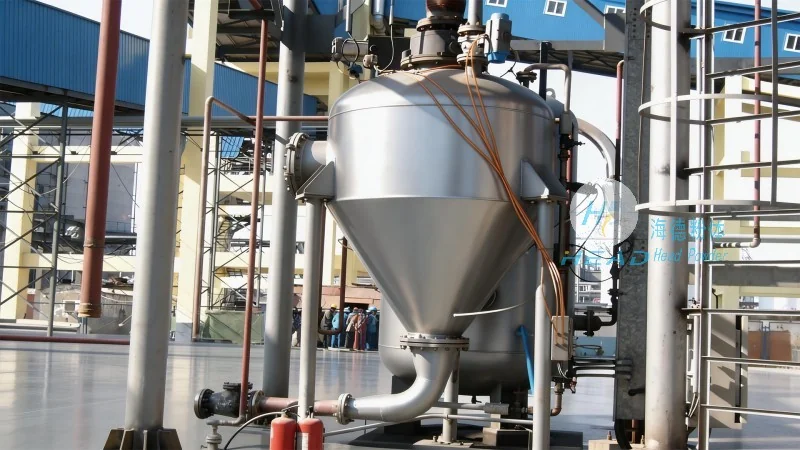
Efficiency and Cost-Effectiveness
Implementing an air-pneumatic conveying system for glycine offers significant efficiency gains and cost savings. The reduced need for maintenance compared to mechanical systems, as there are fewer moving parts, translates into lower operational costs over time. The system’s ability to handle long distances and multiple destinations from a single source also enhances workflow efficiency, reducing the need for multiple handling steps. Additionally, the consistent performance of air-pneumatic conveying minimizes downtime and ensures a steady supply of glycine to downstream processes, which is vital for maintaining production schedules.
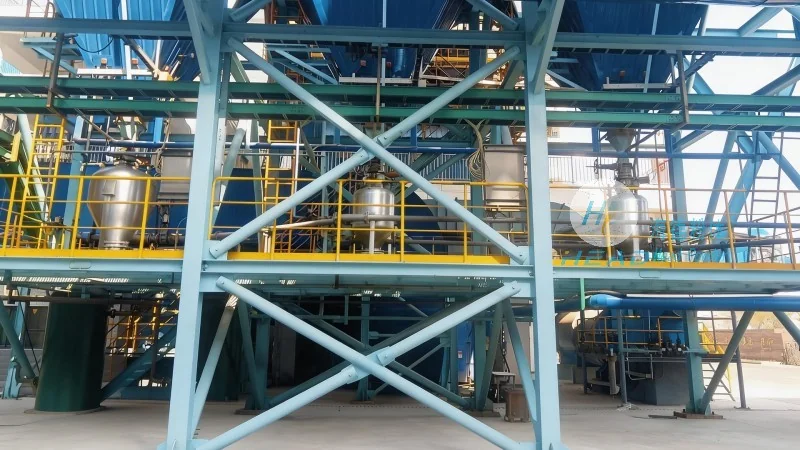
Application in Industrial Settings
In industrial settings, the glycine conveying system with air-pneumatic technology is widely used in pharmaceutical manufacturing, where glycine is used as a raw material in drug formulations. It is also employed in food processing plants that incorporate glycine as an additive in nutritional supplements or beverages. The system’s adaptability allows it to be integrated into existing production lines with minimal disruption, ensuring a seamless transition to more efficient handling methods.
Conclusion
Overall, the glycine conveying system, particularly when utilizing air-pneumatic conveying technology, represents a highly effective solution for the transportation of glycine. By combining efficiency, reliability, and cost-effectiveness, this system meets the demands of modern industrial applications while ensuring the quality and integrity of the material being handled. As industries continue to seek advanced solutions for material handling, the glycine conveying system remains a critical component in optimizing workflow and maintaining product quality.




