Aluminum batteries represent a significant advancement in energy storage technology, and the efficient handling of these batteries throughout the production and logistics chain is paramount for maintaining product integrity and operational efficiency. The choice of conveying system directly impacts the performance of aluminum battery manufacturing processes, with modern solutions increasingly focusing on advanced technologies like pneumatic conveying. This article provides an overview of aluminum battery conveying systems, with a particular emphasis on the advantages and features of pneumatic conveying as a preferred method for transporting aluminum batteries.
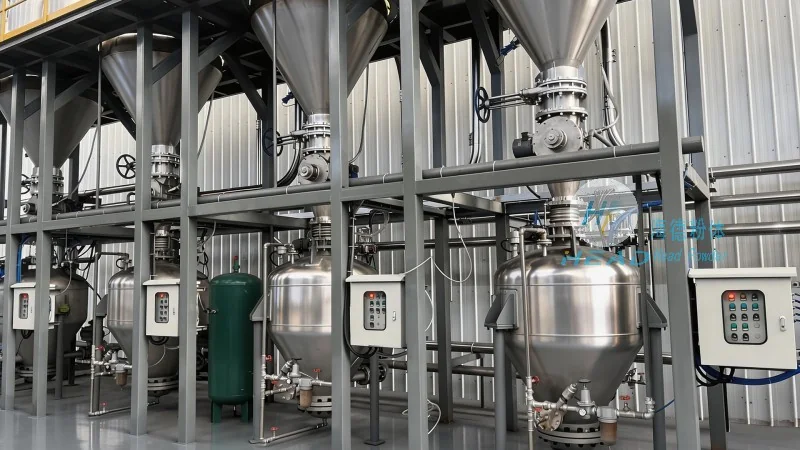
Overview of Aluminum Battery Conveying Systems
Aluminum battery conveying systems are engineered to transport aluminum batteries or related components between different stages of the production line. These systems are critical for ensuring that batteries are handled with precision, minimizing the risk of damage, contamination, or loss during transit. The system typically comprises components such as hoppers, conveyors, control units, and sometimes automated feeding mechanisms, all integrated to facilitate smooth material flow. The design of these systems is tailored to the specific characteristics of aluminum batteries, which can vary in size, shape, weight, and electrical properties depending on the application and battery chemistry.
Pneumatic Conveying: A Superior Method for Aluminum Battery Transport
Pneumatic conveying, also known as air conveying, utilizes pressurized air or vacuum to move materials through a sealed pipeline. For aluminum batteries, this technology offers distinct advantages over traditional mechanical conveying methods. One key benefit is the ability to handle delicate or sensitive materials without physical contact, reducing the risk of scratches, dents, or other forms of mechanical damage that could compromise battery performance. The enclosed system also helps maintain a controlled environment, preventing contamination from dust, moisture, or other external factors that may affect battery quality.
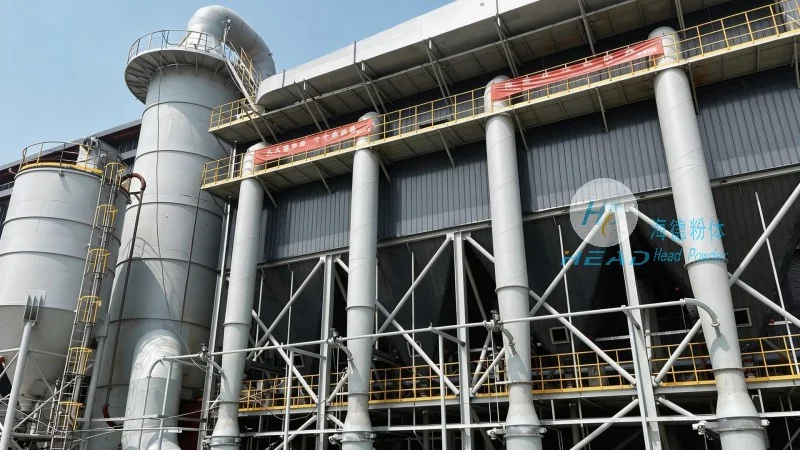
Key Advantages of Pneumatic Conveying for Aluminum Batteries
The adoption of pneumatic conveying in aluminum battery handling offers several significant benefits that enhance operational efficiency and product quality. Firstly, it provides unparalleled flexibility in terms of system layout and integration with other production equipment. Manufacturers can customize the pipeline configuration to fit their factory layout, optimizing space utilization and workflow. Secondly, pneumatic systems are generally more energy-efficient compared to mechanical alternatives, as compressed air can be recycled and reused, reducing long-term operational costs.
Another critical advantage is enhanced safety. The enclosed pipeline design minimizes the risk of dust or particulate matter escaping into the workplace, which is particularly important in aluminum battery production where dust can be hazardous. Additionally, the system reduces the need for manual handling of heavy or awkwardly shaped batteries, thereby lowering the risk of workplace injuries and improving overall safety standards.
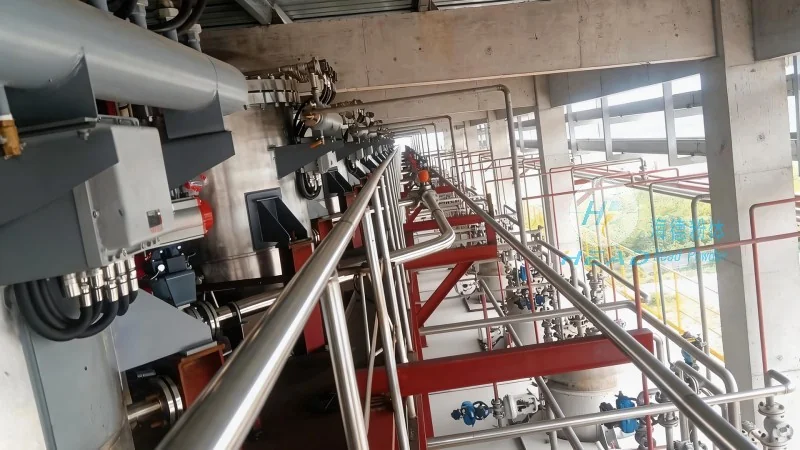
Core Components and Features of the Aluminum Battery Pneumatic Conveying System
The aluminum battery pneumatic conveying system consists of several essential components that work in concert to achieve efficient material transport. The primary components include the hopper, which serves as the storage and feeding unit for the batteries. The hopper is equipped with a feeder that controls the flow rate of batteries into the conveying line, ensuring consistent and controlled material transfer. The conveying line itself is typically constructed from durable materials like stainless steel or specialized polymers to withstand the corrosive properties of aluminum and potential contaminants.
The system also incorporates control units that monitor and regulate air pressure and flow within the pipeline. These units are vital for maintaining optimal conveying conditions and preventing system failures. Additionally, the system may include sensors and monitoring devices to detect blockages or irregularities in the flow, enabling immediate intervention and preventing damage to batteries or conveying equipment.
Application and Integration in Aluminum Battery Manufacturing
Aluminum battery pneumatic conveying systems are widely utilized across various stages of aluminum battery production. In the initial stages, the system can transport raw aluminum components to the battery cell assembly line. During assembly, it may move completed battery cells to quality control stations or packaging areas. The flexibility of the pneumatic system allows it to adapt to different production phases, making it a versatile solution for manufacturers.
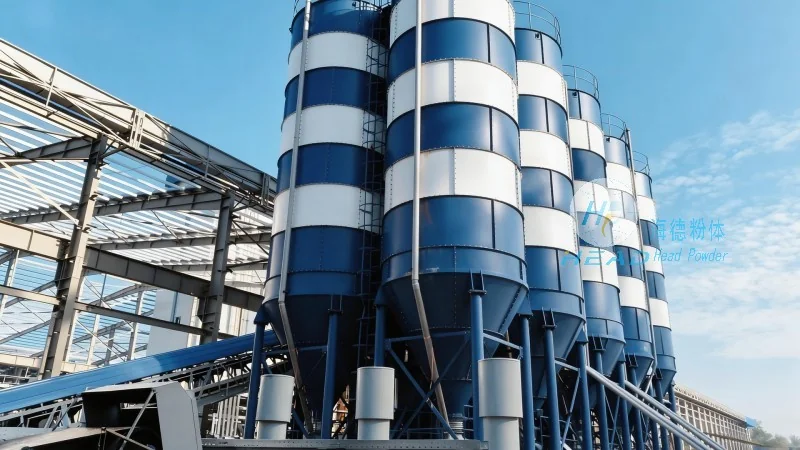
Integration with other production equipment is another key aspect of the system. It can be connected to automated assembly lines, robotic handling units, and quality inspection machines, creating a seamless workflow. This integration not only improves efficiency but also enhances data collection and traceability, which are critical for quality management and regulatory compliance in the battery industry.
Conclusion: The Importance of Advanced Conveying Systems in Aluminum Battery Handling
In summary, aluminum battery conveying systems, particularly those utilizing pneumatic conveying technology, play a crucial role in modern aluminum battery manufacturing. The advantages of this system—including its ability to handle delicate materials safely, its energy efficiency, and its flexibility in integration—make it an essential component for manufacturers aiming to enhance operational performance and product quality. As the demand for aluminum batteries continues to grow, the adoption of advanced conveying systems will be vital for meeting production demands while upholding high standards of quality and safety.




