For industrial applications involving the handling of silicate materials, the choice of an efficient and reliable material transport system is crucial. A silicate pneumatic conveying system represents a sophisticated solution designed to transport these materials through a pipeline using air or gas as the conveying medium. This method offers numerous advantages over traditional mechanical conveying methods, such as reduced equipment wear, lower maintenance costs, and the ability to handle a wide range of material types, including powders and granules. In this article, we will explore the fundamental aspects of a silicate pneumatic conveying system, focusing on its design principles and the key components that make it effective for industrial use.
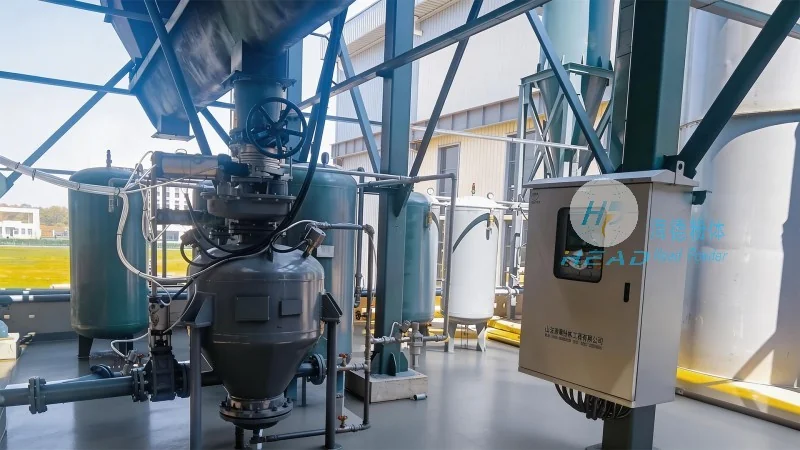
Introduction to Silicate Pneumatic Conveying Systems
A silicate pneumatic conveying system is a type of pneumatic conveying equipment specifically engineered to handle silicate materials, which include compounds like silica, clay, and other mineral-based powders. These materials are often used in various industries, including construction, ceramics, and chemical manufacturing. The core of this system is the ability to transport these materials in a dust-free environment, which is essential for maintaining product quality and ensuring workplace safety. The system operates by creating a pressure differential within a pipeline, either by using positive pressure (where air is blown into the pipeline) or negative pressure (where air is drawn out), to move the material from the source to the destination.
Key Components of a Silicate Pneumatic Conveying System
The effectiveness of a silicate pneumatic conveying system relies on several critical components that work in tandem to ensure smooth material transport. These components include the material feed hopper, which holds the silicate material and regulates its flow into the system; the conveying line, which is typically made of materials resistant to corrosion and abrasion, such as stainless steel or special alloys, to withstand the wear from the silicate particles; the air or gas source, which provides the necessary pressure or suction to move the material; and the control valves, which regulate the flow of air and material to maintain optimal system performance. Additionally, the system may include a filter and cyclone separator to remove any fine particles from the air before it is released back into the environment, ensuring compliance with environmental regulations.
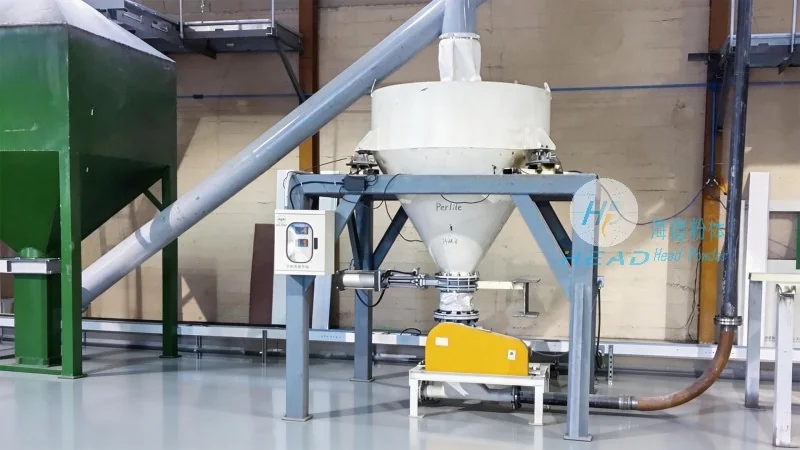
Design Principles for Efficient Silicate Material Transport
The design of a silicate pneumatic conveying system is based on several key principles aimed at maximizing efficiency and minimizing operational issues. One of the primary principles is the selection of the appropriate conveying velocity, which is the speed at which the material is transported through the pipeline. The velocity must be high enough to prevent material settling or clogging but low enough to avoid excessive wear on the system components. Another critical principle is the proper sizing of the pipeline and components to match the material's properties, such as particle size, density, and flowability. This ensures that the system operates within its optimal range, reducing the risk of blockages or pressure drops. Furthermore, the system's design considers the need for a consistent air-to-material ratio, which is the ratio of air volume to material volume, to maintain a stable conveying condition. This ratio is crucial for preventing material deposition on the pipeline walls and ensuring the material is fully suspended during transport.
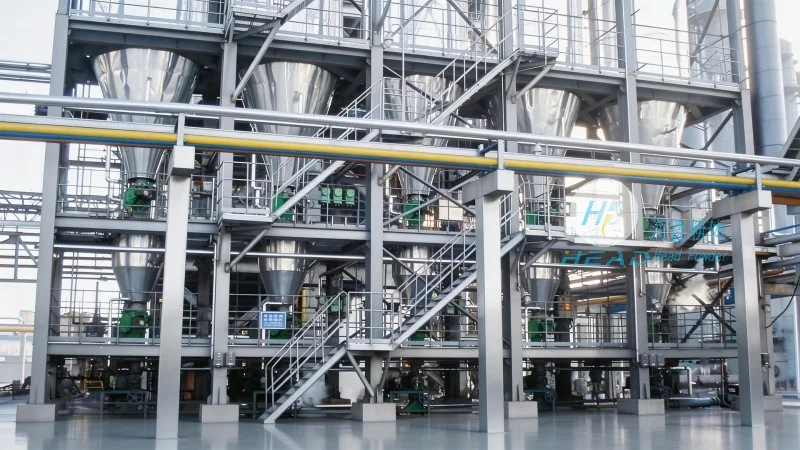
Advantages of Using a Silicate Pneumatic Conveying System
Implementing a silicate pneumatic conveying system offers several advantages over traditional mechanical conveying methods. One of the most significant benefits is the reduction in equipment wear and tear, as the material is not in direct contact with mechanical parts like belts or buckets. This leads to lower maintenance costs and longer equipment life. Additionally, the system provides a dust-free environment, which is essential for maintaining product quality and ensuring workplace safety. The ability to handle a wide range of material types, including fine powders and granules, makes it versatile for various industrial applications. Furthermore, the system can be easily integrated into existing production lines, allowing for seamless material transport without the need for extensive modifications to the facility. The environmental benefits are also notable, as the system can be designed with filters and cyclones to capture and remove fine particles from the air, reducing air pollution and complying with environmental regulations.
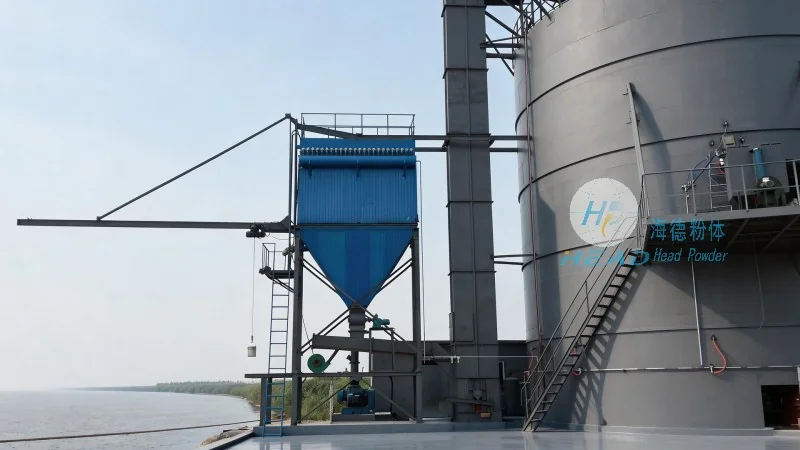
Applications of Silicate Pneumatic Conveying Systems
Silicate pneumatic conveying systems are widely used in various industries that handle silicate materials. In the construction industry, these systems are used to transport silica sand and clay for concrete production and brick manufacturing. In the ceramics industry, they are essential for transporting raw materials like kaolin and feldspar to production lines. The chemical industry also utilizes these systems for handling mineral-based powders used in the production of fertilizers and other chemical products. Additionally, in the pharmaceutical and food industries, where silicate materials are used as excipients or additives, the system's ability to maintain a dust-free environment is critical for product quality and safety. The versatility and efficiency of the silicate pneumatic conveying system make it a preferred choice for many industrial applications requiring reliable material transport.
Conclusion
In conclusion, a silicate pneumatic conveying system is a highly effective and efficient solution for transporting silicate materials in industrial settings. Its design, based on principles such as appropriate conveying velocity, proper component sizing, and consistent air-to-material ratio, ensures optimal performance and minimal operational issues. The system's advantages, including reduced equipment wear, dust-free operation, and versatility, make it a valuable asset for various industries. As the demand for efficient material handling solutions continues to grow, the silicate pneumatic conveying system remains a reliable choice for industries dealing with silicate materials. With proper design and maintenance, these systems can provide long-term operational benefits and contribute to the overall productivity and safety of industrial operations.




