HeadPowder, a leading manufacturer based in Shandong, China, specializes in the design and production of advanced pneumatic conveying systems tailored for gypsum processing applications. This article delves into the fundamental principles behind gypsum pneumatic conveying machines and highlights key working scenario characteristics that define their operational efficiency and adaptability in industrial settings.
Understanding the Core Principle of Gypsum Pneumatic Conveying
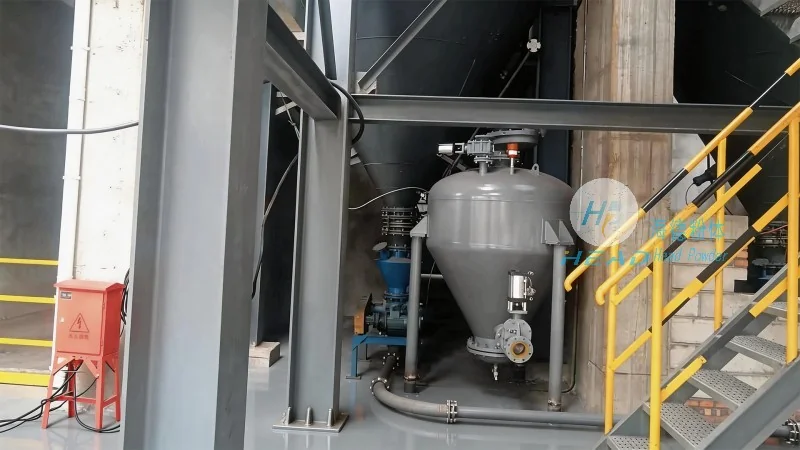
Gypsum pneumatic conveying machines operate on the principle of air-driven material transport, utilizing a combination of pressure or vacuum to move gypsum powder or granules through a pipeline system. The process involves several critical components, including a hopper for material storage, a feeder to control the flow rate, a conveyor line with air ducts, and a receiver for the discharged material. By generating a controlled airflow, these systems can efficiently transport gypsum from one location to another without the need for mechanical components like belts or buckets, which are common in traditional conveying methods.
The pneumatic conveying mechanism relies on the creation of a low-pressure or high-pressure air stream within the pipeline. When the material is introduced into the system, it is entrained by the air flow and carried through the ducts. The design of the conveying line, including the diameter, length, and bends, is crucial for maintaining the air velocity necessary to prevent material settling or blockages. Proper air velocity ensures that the gypsum particles remain suspended in the air stream, allowing for smooth and continuous transport. This principle not only enhances the efficiency of material handling but also reduces the risk of dust accumulation and contamination, which are common concerns in gypsum processing environments.
Key Working Scenario Characteristics of Gypsum Pneumatic Conveying Machines
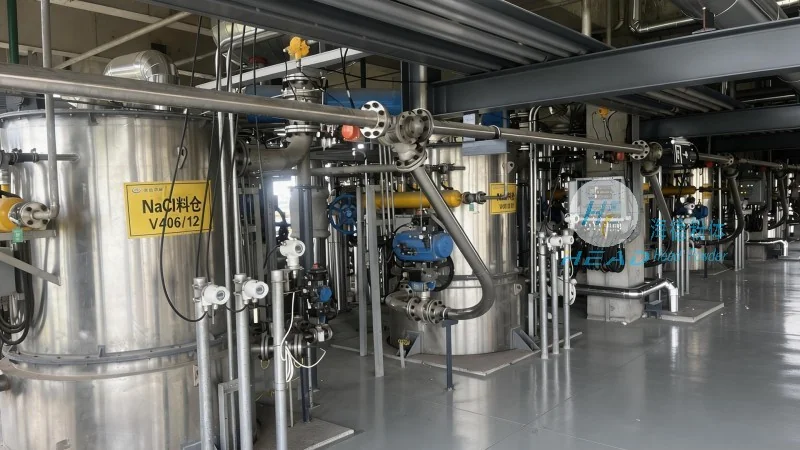
The working scenario characteristics of gypsum pneumatic conveying machines are tailored to meet the specific demands of industrial applications, particularly in the construction and building materials sector. These characteristics include adaptability to varying material properties, such as particle size, moisture content, and bulk density, which are critical factors in gypsum processing. The systems are designed to handle both dry and slightly moist gypsum, ensuring consistent performance even under different operational conditions.
One of the primary advantages of gypsum pneumatic conveying is its ability to operate in both positive and negative pressure modes. Positive pressure systems use compressed air to push the material through the pipeline, while negative pressure systems use vacuum to draw the material. This flexibility allows manufacturers to choose the most suitable configuration based on the specific layout of the facility and the distance between the source and destination points. For instance, in large-scale gypsum processing plants, positive pressure systems are often preferred for long-distance transport due to their higher efficiency and lower energy consumption compared to negative pressure systems.
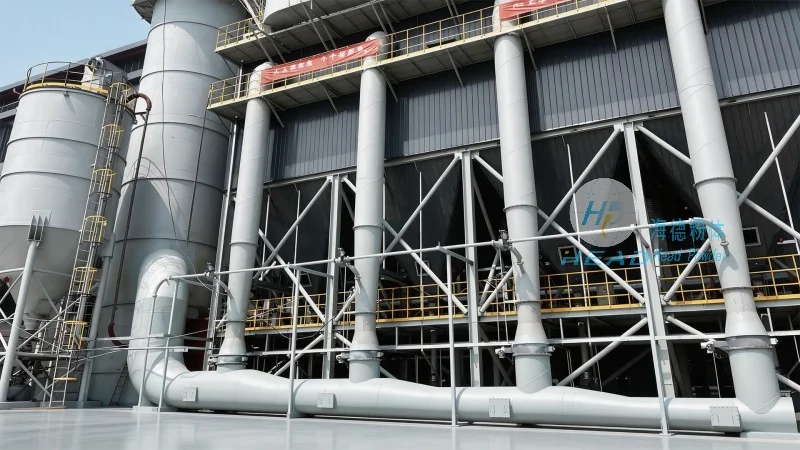
Another important working scenario characteristic is the system's capacity to handle high volumes of material with minimal maintenance. The design of the components, such as the feeder and the air ducts, minimizes wear and tear, reducing the frequency of repairs and downtime. This is particularly beneficial in continuous production environments where consistent material flow is essential for maintaining productivity. Additionally, the enclosed nature of the pneumatic conveying system helps to contain dust and prevent environmental contamination, aligning with modern industrial standards for safety and sustainability.
Application Scenarios and Operational Efficiency
Gypsum pneumatic conveying machines are widely used in various industrial settings, including gypsum board manufacturing plants, cement production facilities, and construction material processing centers. In gypsum board production, these systems are crucial for transporting raw gypsum from storage silos to the production lines, ensuring a steady supply of material for the manufacturing process. The ability to handle large quantities of gypsum efficiently reduces production bottlenecks and improves overall line throughput.
In cement plants, gypsum is often used as a retarder to control the setting time of cement. Pneumatic conveying systems enable the precise and controlled delivery of gypsum to the cement grinding mills, ensuring consistent quality in the final product. The ability to adjust the flow rate and pressure in real-time allows operators to maintain the optimal gypsum-to-cement ratio, which is critical for achieving the desired performance characteristics of the cement.
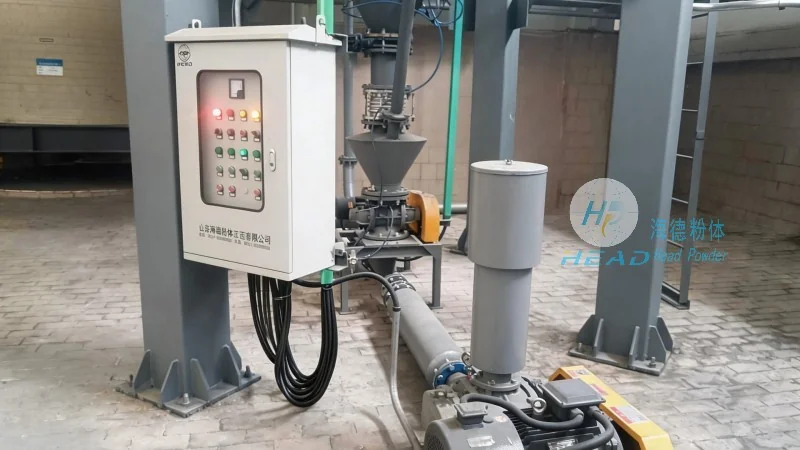
Furthermore, in construction material processing centers, gypsum pneumatic conveying machines facilitate the transport of gypsum from storage areas to packaging or mixing stations. The enclosed and dust-free operation of these systems enhances workplace safety and compliance with environmental regulations. The flexibility of the conveying system allows for easy integration into existing production lines, minimizing the need for extensive modifications to the facility layout.
Conclusion: The Advantages of Gypsum Pneumatic Conveying Systems
Overall, gypsum pneumatic conveying machines represent a sophisticated and efficient solution for material handling in the gypsum industry. By leveraging the principles of air-driven transport, these systems offer significant advantages over traditional conveying methods, including improved operational efficiency, reduced maintenance requirements, and enhanced safety features. The working scenario characteristics, such as adaptability to different material properties and operational modes, make them suitable for a wide range of industrial applications. As a manufacturer based in Shandong, China, HeadPowder continues to innovate in the design of pneumatic conveying systems, providing customized solutions that meet the specific needs of its clients in the construction and building materials sector.




