Shandong HeadPowder Engineering Co., Ltd., a leading provider of industrial material handling solutions, specializes in the design and implementation of advanced polyolefin pneumatic conveying systems. Based in Shandong, China, the company leverages decades of experience to deliver efficient, reliable, and cost-effective solutions tailored to the unique needs of the polyolefin industry.
Principles of Polyolefin Pneumatic Conveying Systems
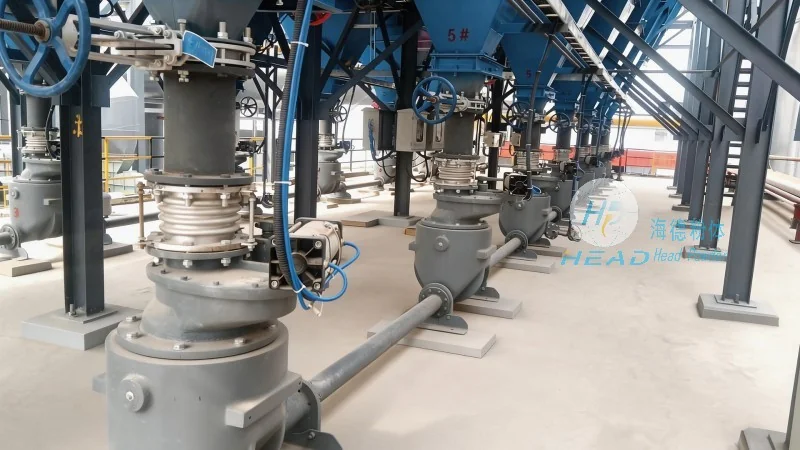
Polyolefin pneumatic conveyors operate on the fundamental principle of using compressed air or vacuum to transport bulk materials through a sealed pipeline system. Unlike traditional mechanical conveyors, these systems rely on air flow to move polyolefin powders, pellets, or granules from one location to another. The process typically involves a combination of positive pressure (where air is forced into the system) or negative pressure (where air is drawn out), depending on the application requirements. The core components include a feeding device, a conveying line, a separation unit, and a discharge mechanism. The feeding device ensures a consistent and controlled flow of polyolefin material into the system, while the conveying line transports the material under pressure. The separation unit, often equipped with filters and cyclones, removes any entrained air or dust, ensuring a clean and dry discharge. This integrated approach allows for efficient and continuous material handling, minimizing downtime and operational disruptions.
Key Application Scenarios and Operational Characteristics
The application of polyolefin pneumatic conveyors spans various industrial settings, each with distinct operational characteristics that highlight the system's versatility. In plastic manufacturing facilities, these systems are commonly used to transport raw polyolefin pellets from storage silos to processing lines, ensuring a seamless supply chain. The ability to handle high volumes of material with minimal human intervention makes them ideal for continuous production environments. Additionally, in chemical processing plants, polyolefin pneumatic conveyors are employed to transfer finished products or intermediate materials between processing stages, maintaining strict contamination control. The systems are also adapted for use in packaging operations, where they facilitate the transfer of polyolefin powders into packaging bags or containers. A notable operational characteristic is the system's ability to handle a wide range of polyolefin types, including polyethylene (PE) and polypropylene (PP), with varying particle sizes and moisture content. This adaptability is crucial for industries where material consistency is paramount, as it ensures that the conveying process does not introduce additional variables that could affect downstream processing.
Advantages in Polyolefin Material Handling
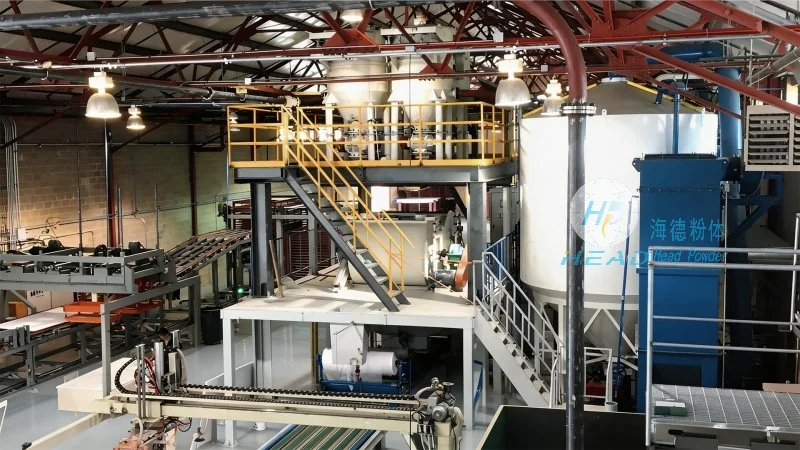
For the polyolefin industry, pneumatic conveying systems offer several distinct advantages over traditional handling methods. One of the most significant benefits is the reduction in material degradation and contamination. Unlike mechanical conveyors, which may cause friction and particle attrition, pneumatic systems use air flow to gently transport materials, preserving their physical properties and reducing the risk of dust generation. This is particularly important for polyolefin powders, which are sensitive to moisture and contamination. Another key advantage is the system's flexibility in terms of layout and integration. Polyolefin pneumatic conveyors can be configured to follow complex production line layouts, allowing for the integration of multiple processing stages without the need for extensive reconfiguration. The systems also offer high efficiency in terms of energy consumption, as they can transport large volumes of material with relatively low power input compared to mechanical alternatives. Furthermore, the maintenance requirements for pneumatic systems are generally lower, as they have fewer moving parts and are less prone to wear and tear from friction. This results in lower operational costs and longer system lifespans.
Technical Considerations and System Design
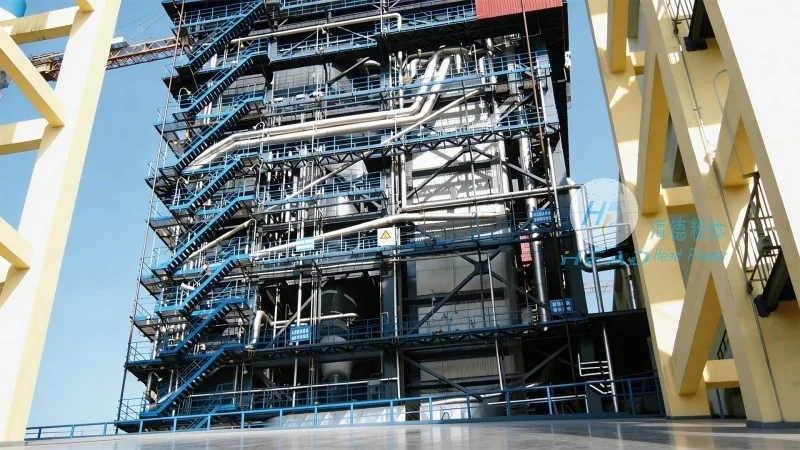
The successful implementation of polyolefin pneumatic conveying systems requires careful consideration of several technical factors. The choice between positive and negative pressure systems depends on the specific application, such as the distance to be covered, the material's density, and the need for containment. Positive pressure systems are typically used for short to medium distances and for applications requiring airtight containment, while negative pressure systems are more suitable for longer distances and for handling materials that are prone to dust generation. The design of the conveying line is critical, as it must be constructed from materials compatible with polyolefin materials to prevent corrosion or material adhesion. Common materials include stainless steel, aluminum, and specialized plastics that resist chemical attack. The feeding device, often a rotary valve or a screw feeder, must be designed to handle the specific characteristics of polyolefin materials, such as their flowability and tendency to agglomerate. The separation unit, including filters and cyclones, is designed to remove any entrained air and fine particles, ensuring that the discharged material is clean and free of contaminants. The control system, which may include sensors for pressure, flow, and level, provides real-time monitoring and adjustment, ensuring optimal system performance and preventing operational issues.
Industrial Applications and Real-World Examples
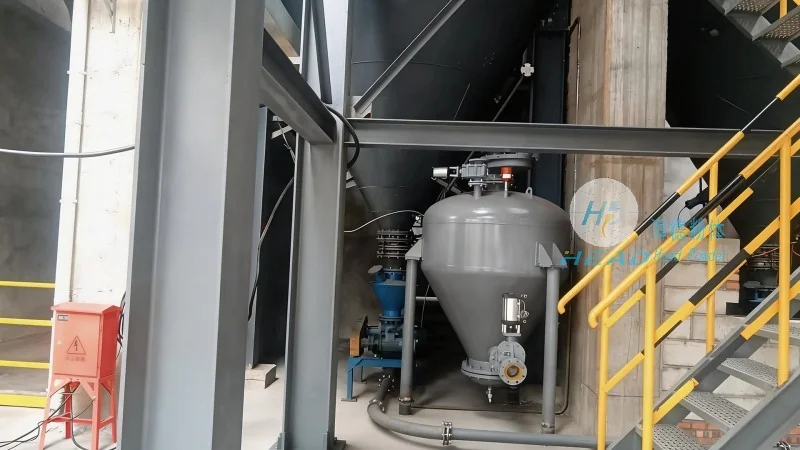
Polyolefin pneumatic conveyors are widely used in various industrial sectors, demonstrating their adaptability and effectiveness in diverse operational environments. In the plastic manufacturing industry, these systems are integral to the production of polyethylene and polypropylene products, from raw material handling to final product packaging. For example, in a polyethylene processing plant, a polyolefin pneumatic conveyor may transport pellets from a storage silo to a melt extrusion line, ensuring a continuous supply of material for production. In the chemical processing sector, the systems are used to transfer intermediate products between reactors and storage tanks, maintaining strict process control and preventing material loss. The packaging industry also benefits from these systems, as they facilitate the transfer of polyolefin powders into packaging bags or containers, improving production efficiency and reducing manual handling. Real-world examples include a large-scale polypropylene plant in Shandong, China, where a custom-designed polyolefin pneumatic conveyor system increased material throughput by 30% while reducing labor costs by 20%. Another example is a chemical processing facility in the United States, where the implementation of a polyolefin pneumatic conveyor system eliminated dust-related safety hazards and improved product quality by reducing contamination levels.
Conclusion and Company Expertise
Shandong HeadPowder Engineering Co., Ltd. continues to be a trusted partner in the development and deployment of polyolefin pneumatic conveying systems, providing tailored solutions that meet the evolving needs of the polyolefin industry. By leveraging advanced technology and a deep understanding of material handling principles, the company ensures that its systems deliver optimal performance, reliability, and cost-effectiveness. The principles and operational characteristics of polyolefin pneumatic conveyors, combined with the technical expertise of HeadPowder, make them an essential component of modern industrial material handling, supporting the efficient and sustainable production of polyolefin products worldwide.




