At Shandong HeadPowder Engineering Co., Ltd., we specialize in the design and manufacturing of advanced pneumatic conveying systems, which are essential for efficient material handling in various industrial applications. Pneumatic conveying equipment is a technology that uses compressed air or other gases to transport bulk materials like powders, granules, and fine particles from one location to another. This method offers numerous advantages over traditional mechanical conveying systems, including reduced maintenance, improved safety, and the ability to handle materials that are difficult to transport by other means.
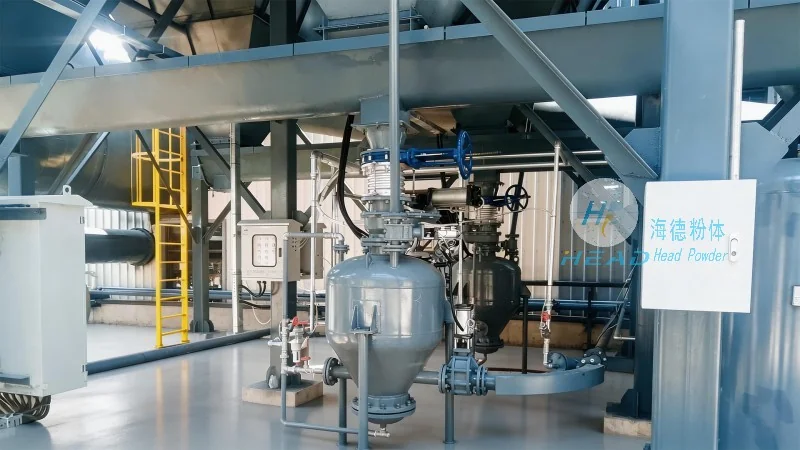
What Are Pneumatic Conveying Systems?
Pneumatic conveying systems are a type of material handling equipment that utilizes air or gas to move bulk materials. Unlike mechanical systems that rely on belts, screws, or buckets, pneumatic conveyors use a pressure differential to propel materials through a pipeline. These systems are widely used in industries such as pharmaceuticals, food processing, chemical manufacturing, and mining, where the transport of sensitive or abrasive materials requires precision and control.
The Core Design Principles of Pneumatic Conveying
The design of a pneumatic conveying system is based on several key principles that ensure efficient and reliable material transport. The primary principle is the creation of a pressure differential between the inlet and outlet of the system. Compressed air is introduced at the inlet, creating a high-pressure environment that pushes the material through the pipeline. The velocity of the air and the size of the particles are critical factors that determine the system's performance. Proper design ensures that the air velocity is sufficient to lift and transport the material without causing excessive wear on the equipment or degradation of the material.
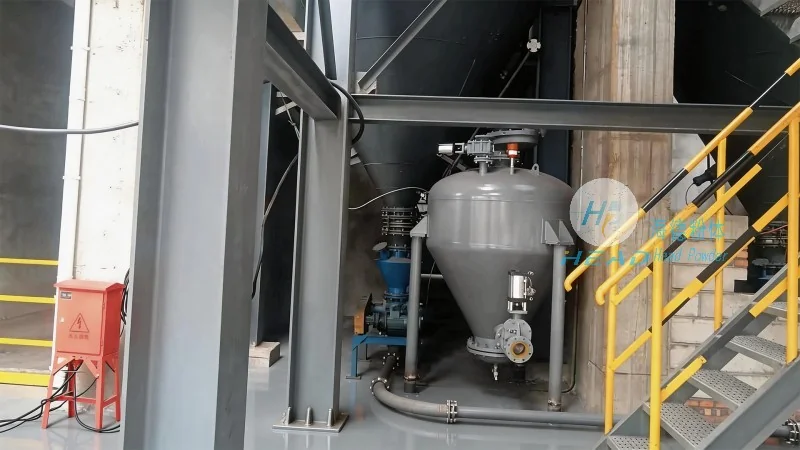
Key Components and Their Functions
Effective pneumatic conveying systems consist of several key components, each playing a vital role in the overall operation. The main components include the air compressor, which provides the necessary pressure; the material feed hopper, which holds the bulk material and controls its release; the conveying line, which transports the material; and the receiver, which collects the material at the destination. Additionally, components like cyclones, filters, and control valves are used to manage the flow and ensure the material is delivered accurately and without contamination.
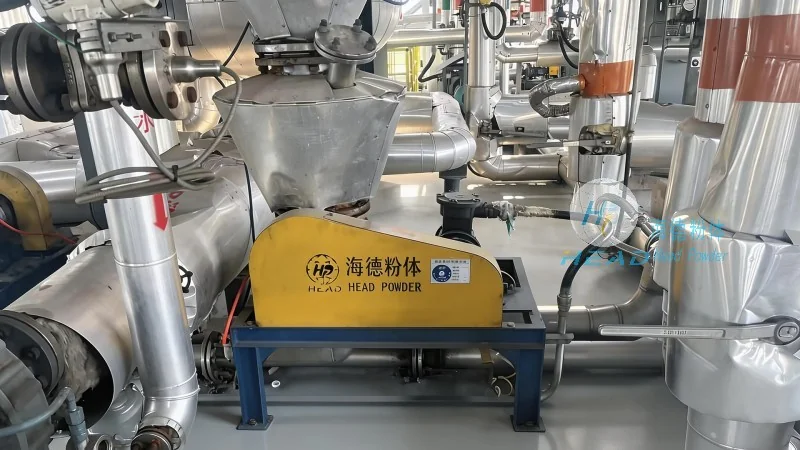
Advantages of Pneumatic Conveying Equipment
Compared to traditional mechanical conveying methods, pneumatic conveying systems offer several significant advantages. One of the most notable benefits is the ability to handle a wide range of materials, including those that are abrasive, corrosive, or sensitive to moisture. The enclosed system also prevents dust and particles from escaping into the environment, enhancing workplace safety and compliance with environmental regulations. Furthermore, pneumatic conveyors can be easily integrated into existing production lines, allowing for flexible and scalable material handling solutions.
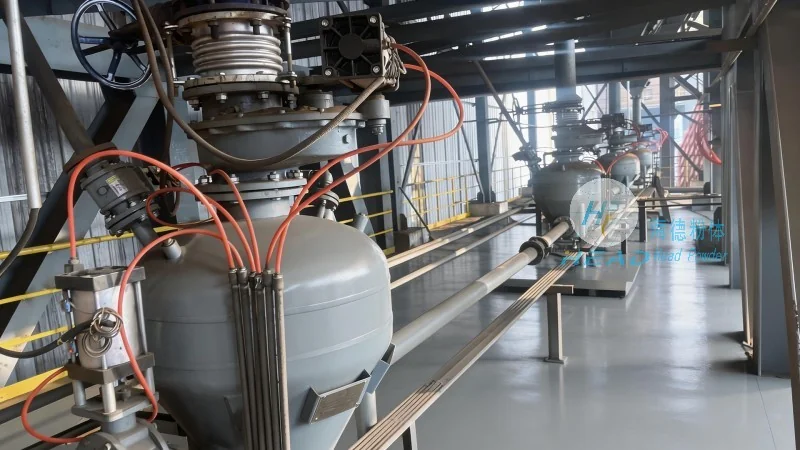
Applications in Industrial Settings
Pneumatic conveying equipment is used in a variety of industrial applications where precise and controlled material transport is essential. In the pharmaceutical industry, for example, pneumatic systems are used to transport active pharmaceutical ingredients (APIs) and other sensitive powders, ensuring that the materials remain sterile and free from contamination. In the food processing industry, these systems are used to transport ingredients like flour, sugar, and spices, maintaining product quality and hygiene standards. In chemical manufacturing, pneumatic conveyors are used to handle corrosive and hazardous materials, providing a safe and efficient method of transport.
Customization and Scalability
At Shandong HeadPowder Engineering Co., Ltd., we understand that each industrial application has unique requirements. Therefore, our pneumatic conveying systems are designed to be customizable and scalable to meet the specific needs of our clients. We work closely with our customers to assess their material handling challenges and design a system that optimizes efficiency, reduces downtime, and minimizes operational costs. Whether a small-scale system for a laboratory or a large-scale system for a manufacturing plant, our team of engineers can develop a solution that meets the highest standards of performance and reliability.




