When it comes to managing the transport of crystal particles in industrial processes, selecting the appropriate pneumatic conveying system is crucial for efficiency, safety, and cost-effectiveness. The right system not only ensures smooth material flow but also minimizes downtime and operational risks. This guide will help you navigate the key factors and considerations to make an informed decision, with insights from industry experts at HeadPowder, a leading provider of specialized material handling solutions.
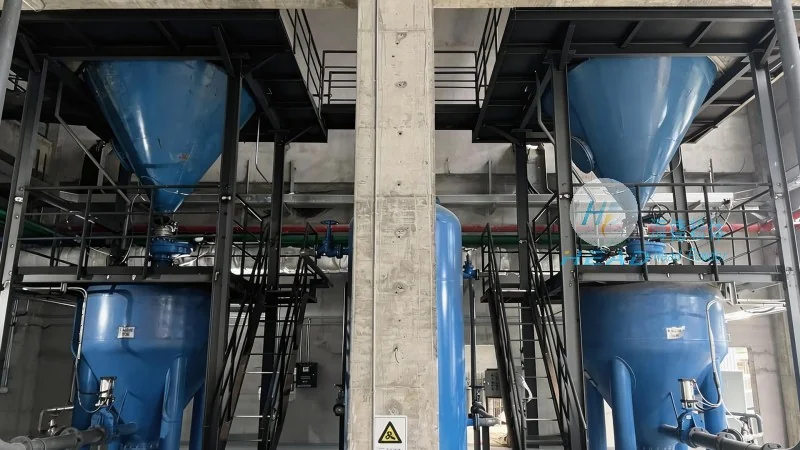
Understanding the Core Requirements for Crystal Particle Handling
Before diving into system options, it's essential to assess the specific characteristics of your crystal particles and the operational demands of your process. Crystal particles often vary in size, density, shape, and moisture content, which directly impact the choice of conveying technology. For instance, fine or cohesive particles may require high-pressure or dense-phase systems to prevent segregation and blockages, while larger, free-flowing particles might be better suited to low-pressure or dilute-phase systems. Additionally, the distance and layout of the conveying route, as well as the required throughput and speed, are critical parameters that influence system design.
Key Factors to Evaluate When Selecting a Pneumatic Conveying System
Several key factors should be evaluated to determine the most suitable pneumatic conveying system for your crystal particle handling needs. First, consider the particle properties: size distribution, density, and flowability. These characteristics dictate the system's pressure requirements and the type of air flow (e.g., dilute-phase, dense-phase, or hybrid). Second, assess the process environment, including ambient conditions, temperature, and any potential hazards such as dust or moisture. This helps in selecting appropriate materials for system components and ensuring compliance with safety regulations. Third, evaluate the system's capacity and scalability. Your current needs may evolve over time, so a system that can be easily expanded or modified is a wise investment. Finally, consider the maintenance and operational costs. Systems with lower maintenance requirements and energy efficiency can provide long-term savings.
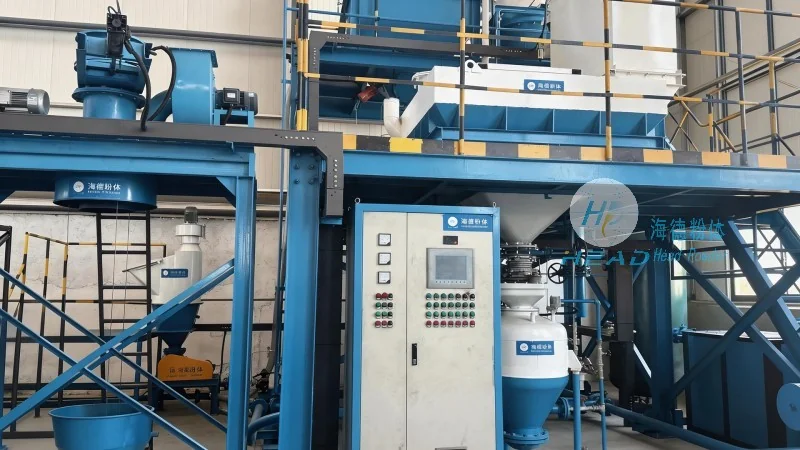
Types of Pneumatic Conveying Systems for Crystal Particles
There are primarily two main categories of pneumatic conveying systems: dilute-phase and dense-phase. Dilute-phase systems use low to moderate air velocities to transport particles in a dispersed state, making them suitable for short distances and free-flowing materials. Dense-phase systems, on the other hand, use higher air velocities and lower particle concentrations to move particles in a slurry-like state, ideal for longer distances and cohesive or fine particles. Hybrid systems combine elements of both, offering flexibility for varied particle characteristics and conveying distances. Each type has its advantages and limitations, and the choice depends on the specific requirements of your crystal particle handling process.
Role of HeadPowder in Customizing Pneumatic Conveying Solutions
HeadPowder, based in Shandong, China, specializes in providing tailored pneumatic conveying systems for crystal particle handling. With years of experience in the industry, HeadPowder understands that a one-size-fits-all approach is rarely effective. The company's team of engineers works closely with clients to analyze their unique needs, from particle properties to operational constraints, and designs a system that optimizes performance and efficiency. HeadPowder offers a range of services, including comprehensive consultations, detailed system design, and professional installation and commissioning. By leveraging advanced technology and industry best practices, HeadPowder ensures that each system is built to meet the highest standards of reliability and durability.
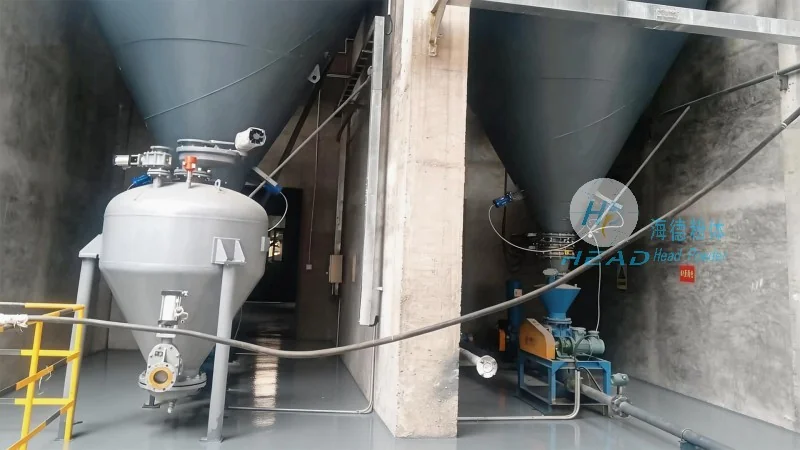
Ensuring Long-Term Performance and Reliability
Choosing the right pneumatic conveying system is just the first step; ensuring long-term performance and reliability requires proper system design, quality components, and regular maintenance. HeadPowder emphasizes the importance of using high-quality materials and components that can withstand the demands of crystal particle handling. For example, systems may incorporate special materials like stainless steel or corrosion-resistant alloys to handle moisture or aggressive particles. Additionally, the company provides guidance on maintenance schedules and procedures to minimize downtime and extend the lifespan of the system. By investing in a well-designed and maintained system, businesses can achieve consistent, efficient material transport and reduce operational costs over time.
Conclusion: Making the Right Choice for Your Crystal Particle Handling Process
Selecting the appropriate pneumatic conveying system for crystal particle handling is a critical decision that impacts the overall efficiency and success of your industrial process. By carefully evaluating particle characteristics, operational requirements, and system types, and working with a reputable provider like HeadPowder, you can ensure that your material handling system meets your needs effectively and reliably. Whether you require a simple dilute-phase system for short distances or a complex dense-phase system for long-distance transport, HeadPowder offers the expertise and solutions to help you achieve optimal performance in your crystal particle handling operations.




