For industrial applications requiring efficient and reliable transport of ferrous sulfate, pneumatic conveying systems offer a sophisticated solution. This article delves into the fundamental principles behind such systems, highlighting the technology's role in optimizing material handling processes.
Ferrous Sulfate and Its Industrial Significance
Ferrous sulfate, also known as iron(II) sulfate, is a widely used chemical compound in various industries, including water treatment, agriculture, and manufacturing. Its handling and transportation require specialized equipment to ensure safety, efficiency, and compliance with operational standards. The pneumatic conveying system is a critical component in managing the flow of this material from storage to processing units.
Pneumatic Conveying Fundamentals
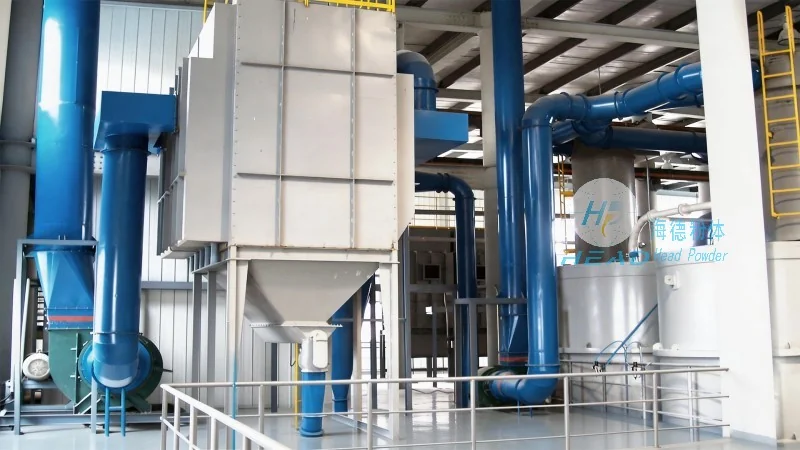
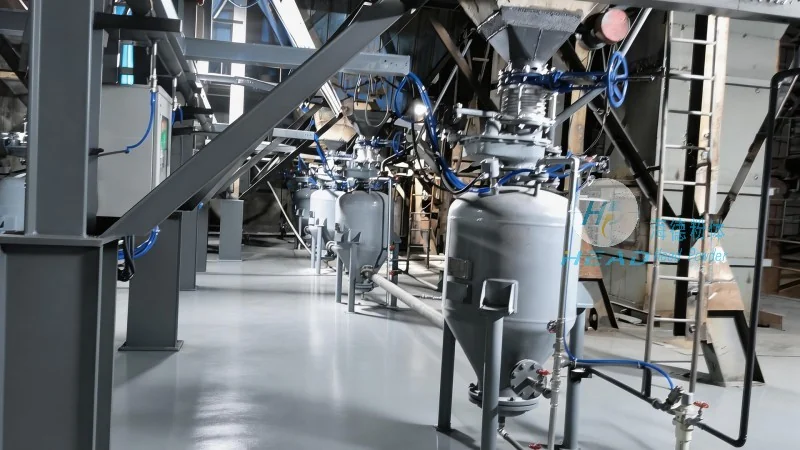
Pneumatic conveying systems utilize air or other gases to transport bulk materials through a pipeline network. In the context of ferrous sulfate, this technology enables the material to be moved without direct contact with mechanical components, reducing wear and contamination risks. The system typically consists of a hopper, a blower or compressor, a pipeline, and a discharge point, with optional components like cyclones or filters for material separation and air filtration.
System Components and Operation
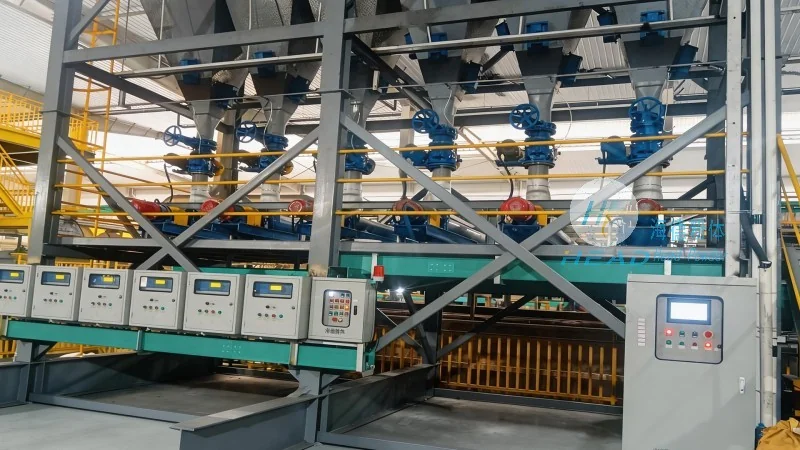
The core components of a ferrous sulfate pneumatic conveying system include: 1. Hopper and Feeder: The hopper stores the ferrous sulfate and feeds it into the system at a controlled rate, preventing blockages and ensuring consistent material flow. 2. Blower or Compressor: This device generates the necessary air pressure to move the material through the pipeline. The choice between a blower (positive displacement) and a compressor depends on the system's pressure requirements and material characteristics. 3. Pipeline System: The pipeline network transports the material and air mixture from the hopper to the discharge point. The design of the pipeline, including bends, valves, and straight sections, is crucial for maintaining system efficiency and preventing material deposition. 4. Discharge and Separation Equipment: At the end of the pipeline, the ferrous sulfate is separated from the air, often using a cyclone separator or a filter. This equipment ensures that the material is delivered to the processing unit in a dry, free-flowing state, while the air is cleaned and recycled or vented.
Advantages of Pneumatic Conveying for Ferrous Sulfate
Implementing a pneumatic conveying system for ferrous sulfate offers several advantages over traditional mechanical conveying methods. These include: 1. Reduced Labor and Maintenance: The system minimizes the need for manual handling and reduces wear on mechanical parts, leading to lower maintenance costs and increased operational uptime. 2. Improved Safety: By eliminating direct contact with the material and reducing dust exposure, the system enhances workplace safety and compliance with health regulations. 3. Enhanced Efficiency: The controlled flow and consistent pressure ensure that the material is transported at optimal speeds, minimizing energy consumption and maximizing throughput. 4. Flexibility: Pneumatic conveying systems can be easily adapted to different production scales and layouts, allowing for future expansion or reconfiguration without major modifications.
Application Examples and Industry Use Cases
Ferrous sulfate pneumatic conveying systems are commonly used in industries where large volumes of this chemical need to be moved over short to medium distances. For instance, in water treatment plants, the system efficiently transports ferrous sulfate from storage silos to dosing points, ensuring precise dosing for water purification. In agricultural applications, the system aids in the distribution of ferrous sulfate as a fertilizer or soil amendment, improving nutrient delivery to crops. Additionally, in manufacturing processes, the system supports the integration of ferrous sulfate into production lines, facilitating seamless material flow and reducing downtime.
Customization and System Design Considerations
Given the diverse requirements of industrial applications, pneumatic conveying systems for ferrous sulfate are often customized to meet specific needs. Design considerations include the material's bulk density, flow characteristics, and the required transport distance. Engineers from companies like Shandong HeadPowder Engineering Co., Ltd. work closely with clients to assess operational parameters, such as the desired flow rate, pressure, and system layout, to develop a tailored solution. The company, with its expertise in engineering and material handling, provides comprehensive design, installation, and maintenance services to ensure the system operates at peak efficiency.




