For industrial applications involving the handling of phenolic resin powder, efficient material transport is crucial. The pneumatic conveying system represents a sophisticated solution that ensures safe, reliable, and high-performance material transfer. This article delves into the fundamental principles behind such systems, highlighting their design, operation, and benefits for the specialized needs of phenolic resin powder processing.
Understanding Pneumatic Conveying Technology
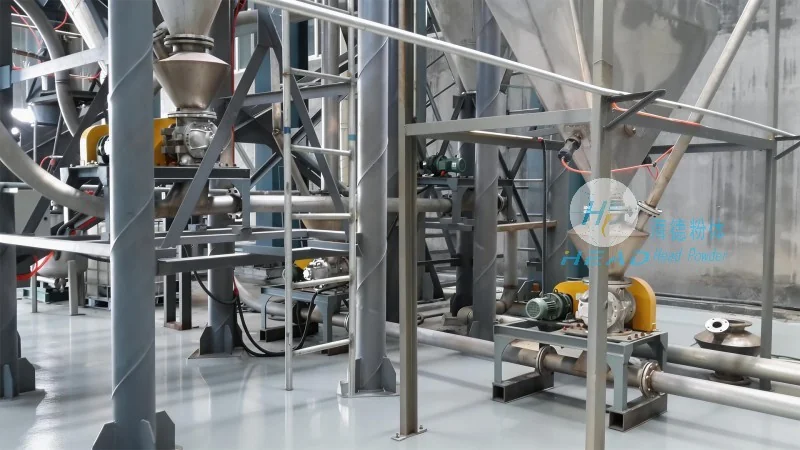
Pneumatic conveying systems utilize air or gas as the primary medium to transport bulk materials like phenolic resin powder. The core principle involves creating a pressure differential or using vacuum to move the material through a pipeline. There are two main categories: pressure and vacuum systems. Pressure systems use compressed air to push the material, while vacuum systems create a negative pressure to draw the material into the system. For phenolic resin powder, which can be sensitive to moisture and temperature changes, the choice of system type and design is critical to maintain material integrity.
Key Components of a Phenolic Resin Powder Pneumatic Conveying System
The effectiveness of a pneumatic conveying system for phenolic resin powder depends on several key components. These include the hopper or feeder, which stores and meters the powder; the air compressor or vacuum pump, which provides the necessary pressure or vacuum; the pipeline network, which transports the material; and the control system, which regulates the flow and pressure. Each component must be carefully selected and integrated to ensure optimal performance. For instance, the hopper design may incorporate a rotary valve or a screw feeder to control the discharge rate, preventing material bridging or clogging—a common issue with fine powders like phenolic resin.
Design Considerations for Phenolic Resin Powder Handling
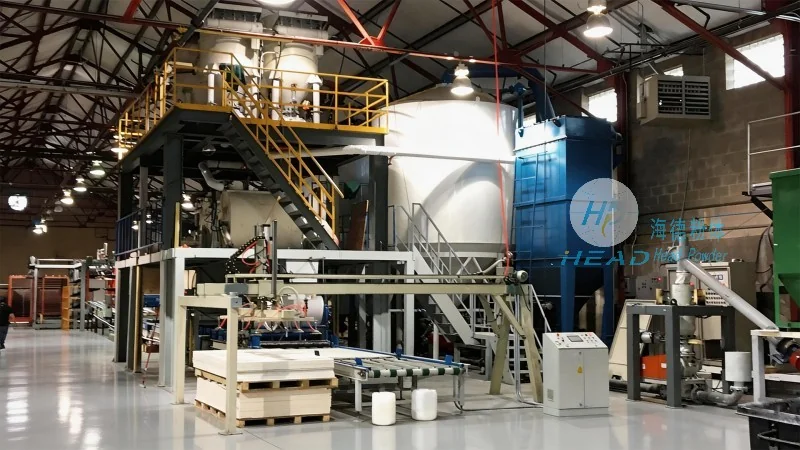
Handling phenolic resin powder requires special attention to material properties and system design. Phenolic resin is often hygroscopic, meaning it can absorb moisture from the air, which may affect its performance in downstream processes. Therefore, the system must include features to minimize exposure to ambient conditions. This may involve using sealed hoppers, insulated pipelines, or incorporating drying mechanisms to maintain the powder's quality. Additionally, the system's material of construction is important; components in contact with the powder should be made of materials resistant to chemical attack, such as stainless steel or specialized plastics, to prevent contamination and degradation.
Advantages of Pneumatic Conveying for Phenolic Resin Powder
Implementing a pneumatic conveying system for phenolic resin powder offers numerous advantages over traditional methods like belt conveyors or bucket elevators. One of the most significant benefits is the ability to transport material over long distances without the need for multiple transfer points. This reduces the risk of material degradation and contamination, as the material remains enclosed within the pipeline. Additionally, pneumatic systems can handle fine powders more effectively, as they minimize the risk of dust generation and loss compared to open systems. The system also allows for better control over flow rates and pressure, enabling precise dosing and integration with downstream processes. For manufacturers of phenolic resin, this translates to improved product quality, reduced waste, and enhanced operational efficiency.
Application Examples in Industrial Settings
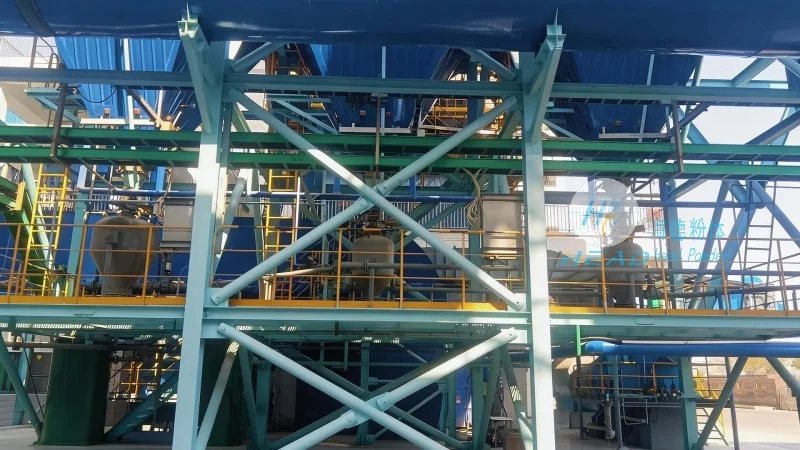
The principles of pneumatic conveying for phenolic resin powder are widely applied in various industrial sectors. For example, in the production of phenolic resins used in adhesives, coatings, or composites, the system is used to transport raw resin powder from storage silos to mixing and processing equipment. In manufacturing facilities, the system may be integrated with automated production lines, where the phenolic resin powder is conveyed to mixing tanks or extrusion machines. The system's flexibility also allows it to be adapted for different production scales, from small-scale laboratory applications to large-scale industrial production. In each case, the system's design is tailored to meet the specific requirements of the application, ensuring reliable and efficient material handling.
Conclusion and Company Overview
Pneumatic conveying systems represent a vital technology for the efficient and reliable handling of phenolic resin powder. By understanding the fundamental principles and key components of such systems, manufacturers can optimize their material transport processes, ensuring product quality and operational efficiency. Shandong HeadPowder Engineering Co., Ltd., a leading provider in this field, specializes in designing and manufacturing customized pneumatic conveying solutions tailored to the unique needs of phenolic resin powder applications. With a focus on quality, innovation, and customer satisfaction, the company offers comprehensive services, including system design, installation, and maintenance, to support industrial clients in achieving their material handling goals. Based in Shandong, China, HeadPowder Engineering Co., Ltd. leverages years of experience and advanced technology to deliver reliable solutions for phenolic resin powder pneumatic conveying systems.




