Understanding the components of a dry pebble pneumatic conveying system is essential for anyone involved in material handling, especially in industries that require efficient and reliable transport of pebbles or similar granular materials. This article will provide a detailed overview of the key components that make up such a system, ensuring a clear understanding of its functionality and design.
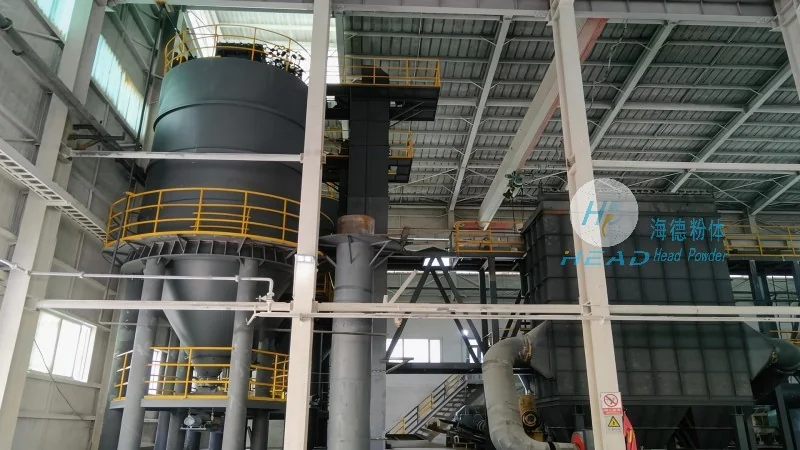
Introduction to Dry Pebble Pneumatic Conveying
Dry pebble pneumatic conveying is a method used to transport dry, solid materials like pebbles through a pipeline using air pressure. This technology offers advantages over traditional methods such as belt conveyors or bucket elevators, including lower maintenance costs, reduced material degradation, and the ability to handle materials in a dust-free environment. The system operates by creating a flow of air that moves the pebbles through the pipeline, with various components working together to ensure efficient and safe operation.
Key Components of a Dry Pebble Pneumatic Conveying System
The core components of a dry pebble pneumatic conveying system are designed to work in sequence to transport materials from the source to the destination. Each component plays a critical role in the overall process, and understanding their functions is crucial for system optimization and maintenance.
1. Material Hopper and Feeder
The material hopper is the initial component where pebbles are stored before being fed into the conveying system. It is typically a large, hopper-shaped container that holds the raw material. The feeder, often a screw or rotary valve, is responsible for controlling the flow rate of the pebbles from the hopper into the conveying line. This component ensures a consistent and controlled feed of material, preventing overloading or underfeeding that could disrupt the conveying process.
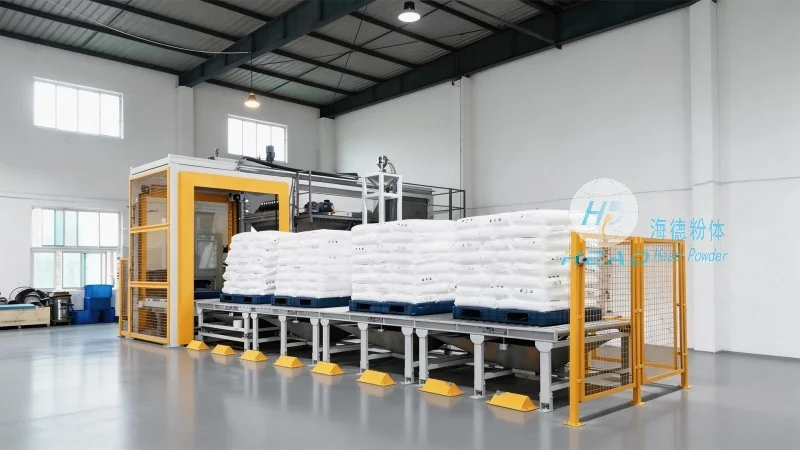
2. Air Supply System
The air supply system is a critical part of the pneumatic conveying system, providing the necessary pressure and volume of air to move the pebbles through the pipeline. This system typically includes a blower or compressor, which generates the air pressure required for conveying. The blower can be either a positive displacement type or a centrifugal type, depending on the system's requirements. Additionally, the system may include air filters and regulators to ensure clean, dry air and maintain consistent pressure levels.
3. Conveying Pipeline
The conveying pipeline is the main channel through which the pebbles and air travel. It is usually made of durable materials such as stainless steel or PVC, which can withstand the abrasive nature of pebbles and the pressure of the air flow. The pipeline is designed with appropriate bends and elbows to guide the material to the desired destination, while minimizing pressure losses and ensuring smooth flow. The diameter and length of the pipeline are carefully selected based on the material's characteristics and the required conveying distance.
4. Inlet and Outlet Units
The inlet unit, also known as the feed point, is where the material and air are introduced into the pipeline. It is designed to ensure a smooth transition from the feeder to the pipeline, preventing material buildup or air leakage. The outlet unit, or discharge point, is where the conveyed pebbles are released from the pipeline. This unit is typically equipped with a valve or gate to control the discharge rate and prevent material spillage. Both units are engineered to handle the abrasive nature of pebbles and maintain system efficiency.
5. Control and Monitoring Systems
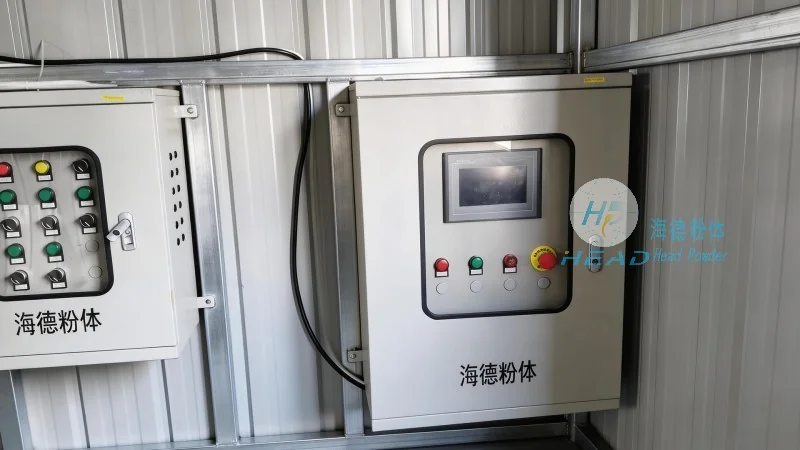
Modern dry pebble pneumatic conveying systems are equipped with control and monitoring systems to ensure optimal operation and safety. These systems may include pressure sensors, flow meters, and control valves that regulate the air pressure and material flow. The control panel allows operators to monitor system performance, adjust parameters, and receive alerts in case of any issues. This component enhances the system's reliability and reduces downtime, making it suitable for continuous industrial operations.
6. Cleaning and Maintenance Components
To maintain the efficiency and longevity of the system, cleaning and maintenance components are essential. These may include filters to remove dust and debris from the air, as well as cleaning mechanisms to remove material buildup from the pipeline. Regular maintenance of these components is crucial to prevent clogging and ensure consistent performance. The system may also include inspection ports and access panels to facilitate maintenance and repairs.
Conclusion
In summary, a dry pebble pneumatic conveying system consists of several key components that work together to efficiently transport pebbles or similar materials. From the material hopper and feeder to the air supply system and conveying pipeline, each component plays a vital role in the overall operation. Understanding these components and their functions is essential for anyone involved in the design, installation, or maintenance of such systems. By ensuring proper operation and regular maintenance, the system can provide reliable and cost-effective material handling solutions for various industrial applications.
For more information on dry pebble pneumatic conveying systems and related services, please contact Shandong HeadPowder Engineering Co., Ltd., a leading provider of material handling solutions based in Shandong, China. With years of experience in the industry, HeadPowder offers expert consultation, system design, and maintenance services to meet the diverse needs of its clients.




