High-alumina fly ash, a byproduct of coal combustion in thermal power plants, is a valuable material used in various industrial applications. Efficient and reliable transportation of this material is crucial for optimizing the supply chain and ensuring consistent quality in downstream processes. This article explores the different methods available for transporting high-alumina fly ash, highlighting the considerations and benefits of each approach.
HeadPowder, a leading provider in the field, understands the complexities of handling high-alumina fly ash. With a strong presence in Shandong, China, the company specializes in engineering solutions tailored to the unique requirements of fly ash management. The following sections detail the transportation methods that can be employed, offering insights into their suitability for different operational scenarios.
Pipeline Transportation
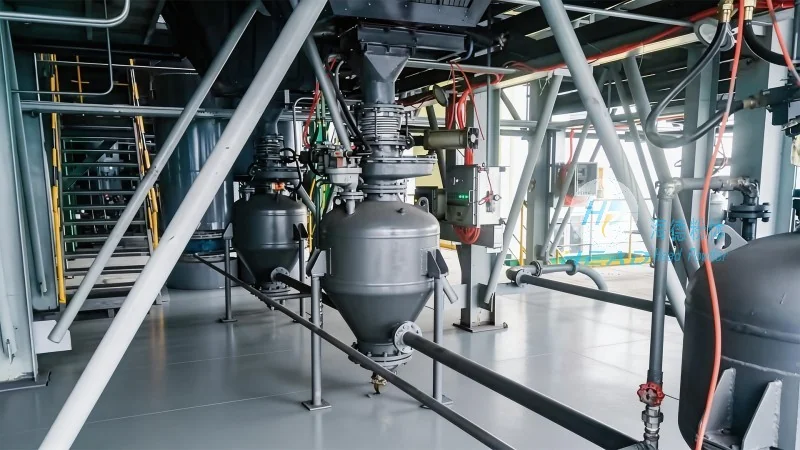
One of the most common and efficient methods for transporting high-alumina fly ash is through pipelines. This approach involves using a closed system of pipes to move the material from the source (e.g., a power plant's ash handling facility) to the destination (such as a storage silo or processing plant). The pipeline system typically includes components like ash pumps, air classifiers, and pressure vessels to maintain the flow and prevent blockages. For high-alumina fly ash, which may have a higher density and finer particle size compared to other types of fly ash, specialized pumps and pipeline designs are often required to ensure smooth operation. The advantages of pipeline transportation include minimal environmental impact, as the material is contained within the system, and the ability to transport large volumes continuously. However, it may require significant upfront investment in infrastructure and may not be feasible for short-distance or irregularly scheduled shipments. The pipeline system can be designed with varying diameters and pressures to accommodate different flow rates, and modern systems often incorporate advanced monitoring and control technologies to optimize performance and reduce downtime.
Truck Transportation
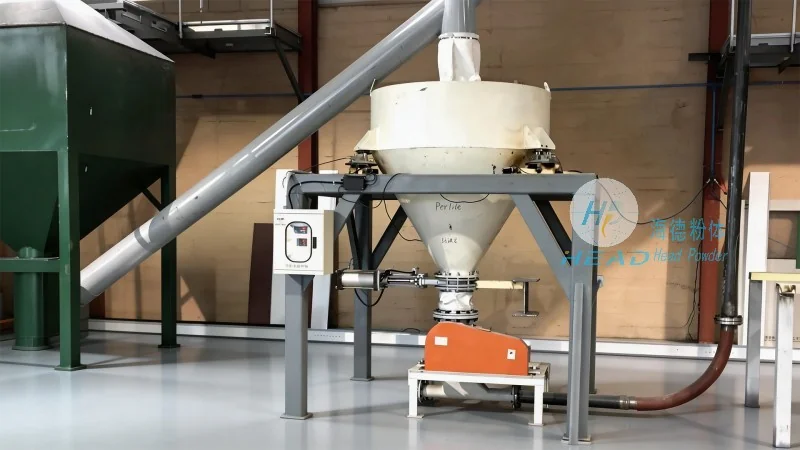
Truck transportation remains a versatile and widely used method for moving high-alumina fly ash, especially for shorter distances or when the destination is not connected by a pipeline network. This method involves loading the fly ash into bulk trucks, which are then driven to the receiving site. The trucks are equipped with specialized containers or hoppers to handle the material safely, preventing spillage and ensuring compliance with environmental regulations. For high-alumina fly ash, which can be abrasive and potentially corrosive, the trucks and their components must be constructed from durable materials such as stainless steel or high-grade alloys to withstand wear and tear. The benefits of truck transportation include flexibility in scheduling and the ability to reach remote or off-site locations, making it suitable for applications where the receiving site is not integrated into a larger industrial complex. However, it may involve higher operational costs due to fuel consumption, potential environmental concerns related to dust emissions during loading and unloading, and the need for regular maintenance of the truck fleet. To mitigate these issues, companies often implement dust suppression systems and use covered containers to minimize environmental impact.
Belt Conveyor Transportation
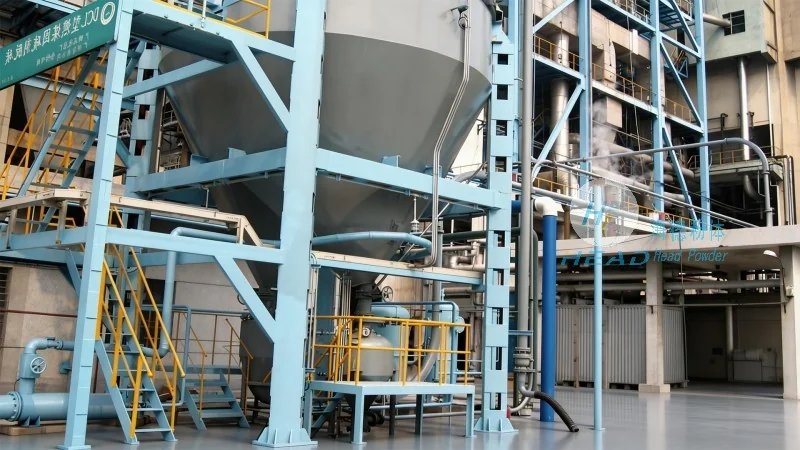
Belt conveyors are another effective method for transporting high-alumina fly ash, particularly in industrial settings where the material needs to be moved over longer distances within a facility or between adjacent processing units. This system consists of a continuous belt that moves the fly ash from the source to the destination, supported by rollers and a drive mechanism. The belt is typically made of heavy-duty materials like rubber or polyurethane, reinforced with steel cords to handle the abrasive nature of high-alumina fly ash. The system may include features such as idlers, pulleys, and tensioning devices to ensure smooth and efficient operation. The advantages of belt conveyor transportation include high capacity, low maintenance costs compared to other methods, and the ability to operate continuously without the need for frequent stops. It also allows for the integration of additional equipment, such as screening or mixing units, along the conveyor line to enhance the material's quality before it reaches the final destination. However, it may have limitations in terms of vertical or steep incline movement, as the belt's angle and tension must be carefully managed to prevent material spillage or belt slippage. For high-alumina fly ash, which may have a tendency to stick to the belt, anti-stick coatings or cleaning mechanisms may be required to maintain performance.
Air-Pneumatic Transportation
Air-pneumatic transportation, also known as pneumatic conveying, is a method that uses compressed air to move high-alumina fly ash through a network of pipes. This approach involves loading the fly ash into a hopper, which then feeds the material into a pipeline where it is carried by the air flow. The system typically includes components like rotary valves, airlocks, and dust collectors to control the flow and capture any fine particles that may be released. For high-alumina fly ash, which can be fine and dusty, the air-pneumatic system must be designed with high-efficiency filters and proper air pressure to prevent clogging and ensure reliable operation. The advantages of this method include the ability to transport material over longer distances with minimal infrastructure, as the pipes can be installed underground or along the building's exterior. It also allows for the integration of multiple destinations from a single source, making it suitable for complex industrial layouts. However, it may have higher energy consumption compared to other methods, as compressed air requires significant power, and the system may be more susceptible to blockages if the material is not properly conditioned before transport. Regular maintenance of the air compressors and filters is essential to keep the system running smoothly.
Hybrid Transportation Systems
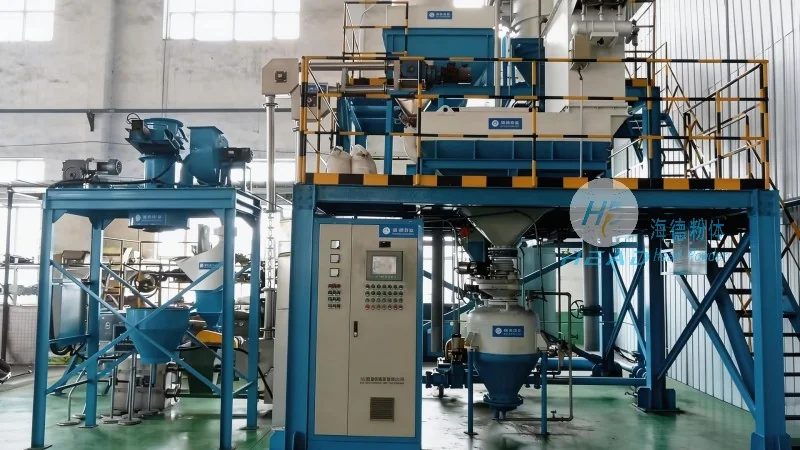
In many industrial applications, a combination of the above methods may be used to create a hybrid transportation system tailored to the specific needs of the operation. For example, a power plant might use pipeline transportation for the initial movement of high-alumina fly ash from the boiler to a central storage facility, and then use truck transportation to deliver the material to a nearby cement plant. Alternatively, a belt conveyor might be used to transfer the fly ash from a storage silo to a processing unit, with an air-pneumatic system used for any fine material that needs to be transported to a different location. Hybrid systems allow for greater flexibility and efficiency by leveraging the strengths of each individual method. HeadPowder specializes in designing and implementing such hybrid solutions, ensuring that the transportation process is optimized for the unique characteristics of high-alumina fly ash and the operational requirements of the client.
Choosing the right transportation method for high-alumina fly ash involves a careful evaluation of several factors, including the distance between the source and destination, the volume of material to be transported, the required speed of delivery, and the environmental and cost considerations. Pipeline transportation is ideal for large-scale, continuous operations with long distances, while truck transportation offers flexibility for shorter distances or irregular shipments. Belt conveyors are suitable for medium to long distances within an industrial complex, and air-pneumatic systems are effective for fine materials or when space is limited. By understanding these options and working with experienced providers like HeadPowder, industrial facilities can select the most appropriate transportation method to ensure efficient and reliable handling of high-alumina fly ash, ultimately supporting the success of their operations.




