When it comes to the transportation of lime, commonly known as calcium hydroxide, there are several effective methods that can be employed depending on the specific requirements of the application, the scale of operation, and the physical properties of the material. The choice of a suitable transportation method is crucial for ensuring efficient, safe, and cost-effective handling of lime in industrial settings. This article will explore the various options available for lime transportation, providing insights into each method's advantages and considerations.
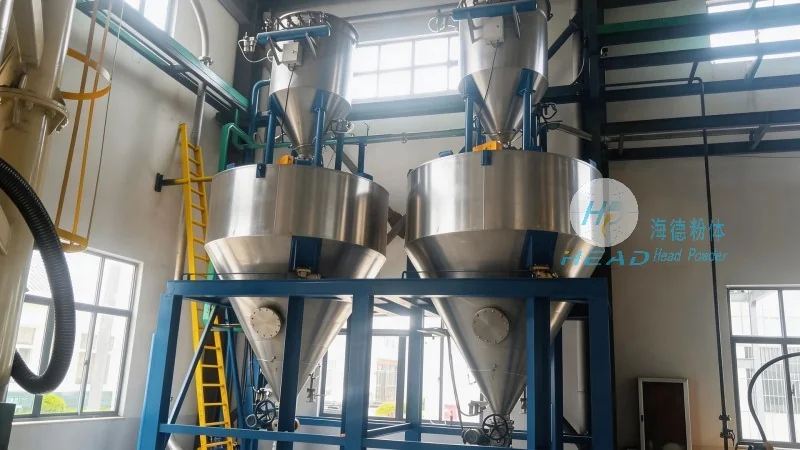
Common Transportation Methods for Lime (Calcium Hydroxide)
1. Pipeline Transportation - This method involves the use of closed pipelines to transport lime slurry or dry lime powder under pressure. It is particularly suitable for large-scale operations where a continuous flow of material is required. The pipeline system can be designed with appropriate valves, pumps, and control mechanisms to regulate the flow and pressure. For lime slurry, the pipeline is typically made of materials resistant to corrosion, such as stainless steel or special alloys, to prevent degradation of the material and equipment. This method offers high efficiency and minimal material loss, making it ideal for applications in water treatment, flue gas desulfurization, and other industrial processes where consistent lime supply is essential.
2. Belt Conveyor Systems - Belt conveyors are widely used for the transportation of bulk materials, including dry lime powder. These systems consist of a continuous belt that moves over rollers or pulleys, transporting the material from one location to another. The design of the belt conveyor can be customized to handle different particle sizes and moisture content of the lime. The use of appropriate belt materials and tensioning systems ensures smooth and reliable operation. Belt conveyors are particularly advantageous for horizontal or slightly inclined transport over longer distances, and they can be integrated with storage silos and processing equipment. This method is cost-effective and suitable for both indoor and outdoor applications, providing a flexible solution for lime handling in various industrial environments.
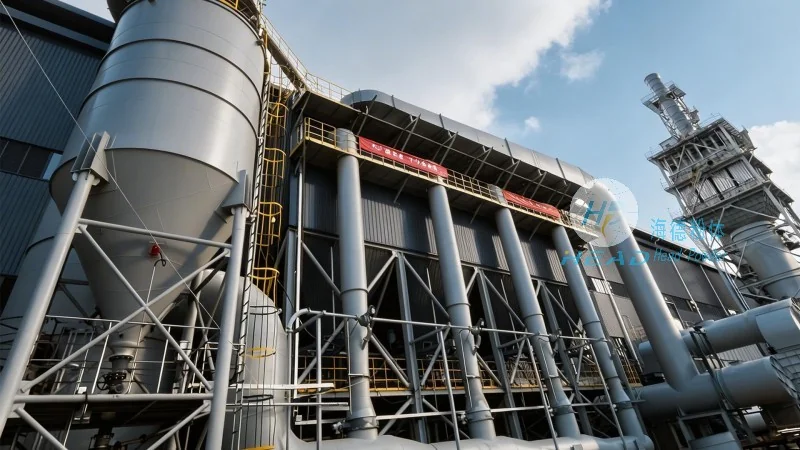
3. Bucket Elevators - For vertical or inclined transportation of lime, bucket elevators are an effective choice. These systems use a series of buckets attached to a belt or chain that moves vertically, lifting the material from a lower to a higher level. Bucket elevators are capable of handling dry or slightly moist lime and can be designed to operate at high speeds, increasing the throughput. The design of the elevator, including the bucket spacing and the speed of the belt, is critical to prevent material spillage and ensure efficient transport. This method is commonly used in industrial plants where vertical transport is required, such as in the storage and distribution of lime from silos to processing units.
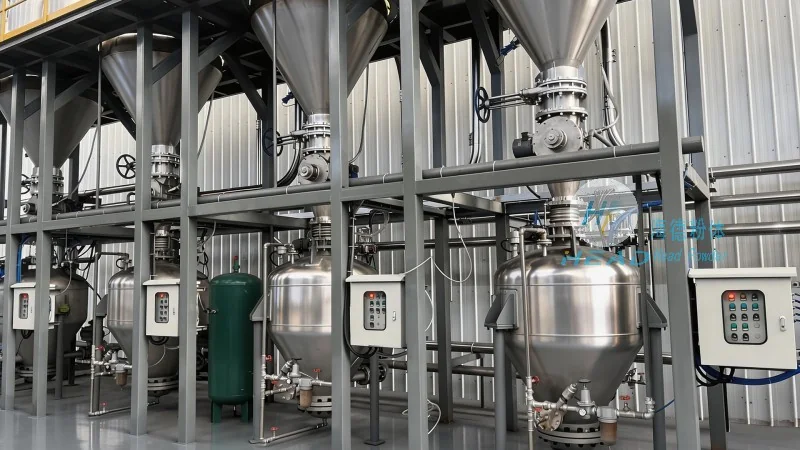
4. Bulk Pumps (Pneumatic Conveying Systems) - This method involves the use of bulk pumps to transport lime powder through a pipeline using air or another gas as the conveying medium. The material is fed into the pump, mixed with the gas, and then transported through the pipeline to the destination. Pneumatic conveying systems can be either positive or negative pressure systems, depending on the application. Positive pressure systems are suitable for short to medium distances and low to medium material flow rates, while negative pressure systems are used for longer distances and higher flow rates. This method is ideal for applications where the material needs to be transported over long distances or through complex layouts, as it can navigate around obstacles and changes in elevation. The use of bulk pumps allows for the safe and efficient transport of lime without the need for manual handling, reducing the risk of dust exposure and material loss.
Factors to Consider When Choosing a Lime Transportation Method
When selecting a transportation method for lime, several factors need to be considered to ensure the optimal choice for the specific application. These factors include the physical properties of the lime, such as its particle size, moisture content, and bulk density, as well as the distance and layout of the transportation route. The scale of the operation, including the required throughput and the number of destinations, also plays a crucial role in the decision-making process. Additionally, the cost of equipment, installation, and maintenance should be evaluated to determine the most economical option. Safety considerations, such as the prevention of dust explosions and the protection of personnel, are also critical in the selection of a transportation method. By carefully evaluating these factors, industrial facilities can choose the most suitable method for their lime transportation needs, ensuring efficient and safe operation.
Conclusion
In conclusion, the transportation of lime (calcium hydroxide) can be effectively achieved through various methods, each with its own advantages and considerations. Pipeline transportation is ideal for large-scale, continuous flow applications, while belt conveyors and bucket elevators are suitable for horizontal and vertical transport over shorter distances. Bulk pumps, or pneumatic conveying systems, offer flexibility for long-distance and complex layouts. The choice of a transportation method depends on the specific requirements of the application, including the scale of operation, material properties, and operational constraints. By selecting the appropriate method, industrial facilities can ensure efficient, safe, and cost-effective handling of lime, which is essential for various industrial processes such as water treatment and flue gas desulfurization. The expertise of companies like Shandong HeadPowder Engineering Co., Ltd. can provide valuable guidance in selecting and implementing the most suitable lime transportation solutions for different industrial needs.




