Methylcellulose pneumatic conveying systems represent a sophisticated method for transporting fine powders, including methylcellulose, through an air-driven process. This technology is widely utilized in various industrial applications due to its efficiency and adaptability. The system operates by using compressed air to move the material from a source to a destination, ensuring a controlled and reliable transfer of the product. Developed and implemented by Shandong HeadPowder Engineering Co., Ltd. (headpowder), this system exemplifies modern material handling solutions.
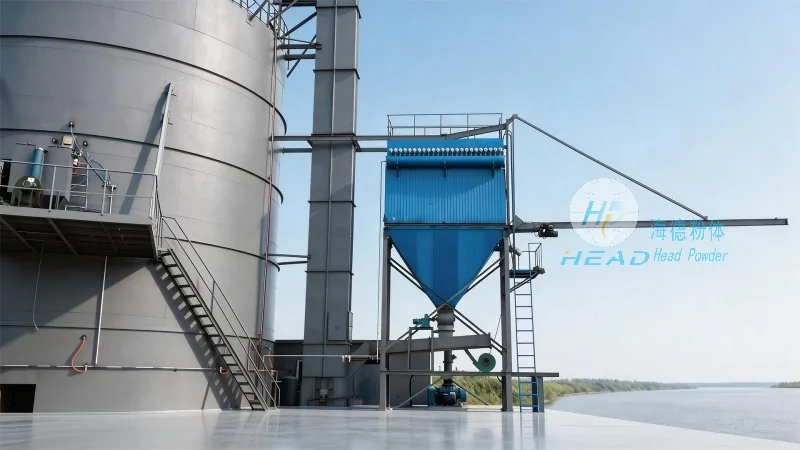
Core Components and Functionality
The methylcellulose pneumatic conveying system comprises several key components that work in tandem to achieve effective material transport. These include a hopper for material storage, a feeder to control the flow rate, a venturi or airlock for air and material mixing, and a receiver for the discharged material. The compressed air is introduced into the system, creating a pressure differential that propels the powder particles through the pipeline. The design of the system ensures that the air and material mixture maintains a stable velocity, preventing clogging and ensuring consistent performance. The hopper is typically equipped with a discharge valve to regulate the material feed, while the feeder may use a rotary or screw mechanism to maintain a steady flow rate.
Working Principle of the System
The fundamental principle behind the methylcellulose pneumatic conveying system is the use of air as the conveying medium. As compressed air is introduced into the conveying line, it creates a low-pressure zone that draws the methylcellulose powder from the hopper. The powder particles are then entrained by the air stream and transported through the pipeline to the receiver. The system's efficiency depends on the proper balance of air flow rate, material feed rate, and pipeline diameter. This balance ensures that the powder is fully suspended in the air stream, minimizing particle degradation and ensuring a smooth transfer process. The venturi or airlock component plays a critical role in maintaining this balance by controlling the air velocity and preventing excessive pressure drops.
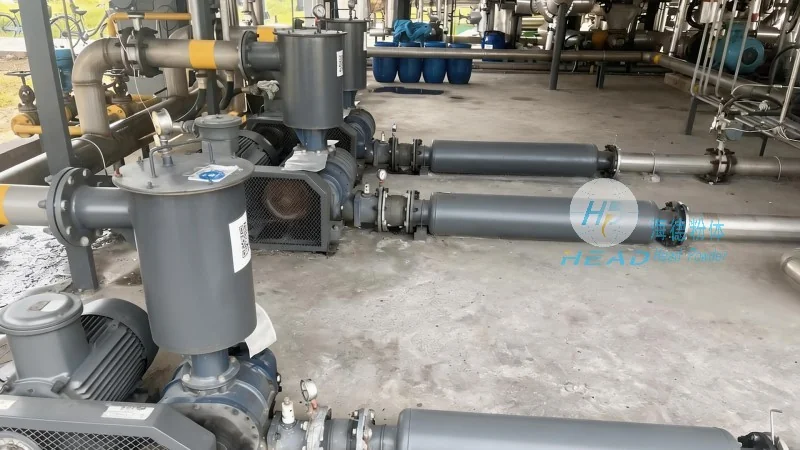
Advantages of Methylcellulose Pneumatic Conveying
Implementing a methylcellulose pneumatic conveying system offers several advantages over traditional conveying methods. These include reduced material handling time, improved safety by eliminating manual handling of powders, and enhanced product purity due to enclosed systems. The system also allows for precise control over the conveying rate, which is crucial for maintaining product quality and consistency. Additionally, the technology is adaptable to various production scales, from small-scale laboratory applications to large industrial operations. The enclosed design of the system minimizes dust exposure and prevents contamination, making it suitable for applications where product purity is paramount.
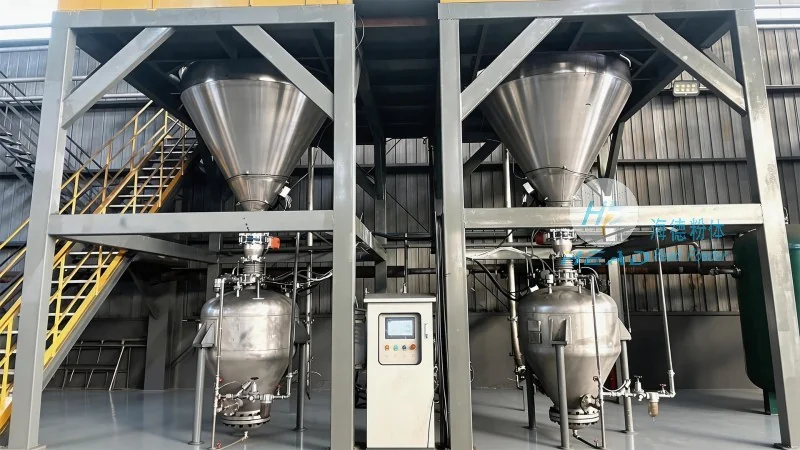
Application Examples in Industry
Methylcellulose pneumatic conveying systems are commonly employed in industries such as pharmaceuticals, food processing, and chemical manufacturing. In pharmaceutical applications, the system ensures the safe and hygienic transfer of methylcellulose, which is used as a thickening agent in various formulations. The enclosed system prevents cross-contamination and maintains the sterile environment required for pharmaceutical production. In food processing, the system maintains the integrity of the powder, preventing contamination and preserving the quality of the final product. Chemical manufacturers also benefit from the system's ability to handle fine powders without degradation, ensuring consistent chemical properties in the end product.
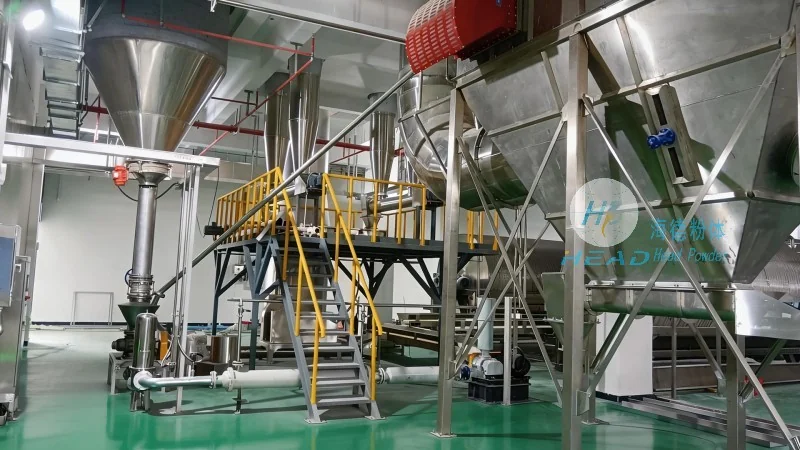
Maintenance and Operational Considerations
Proper maintenance of the methylcellulose pneumatic conveying system is essential to ensure long-term performance and reliability. Regular cleaning of the hopper, feeder, and pipeline is necessary to prevent material buildup and clogging. The air filtration system should also be checked and maintained to ensure that the air used for conveying is clean and free of contaminants. Operational considerations include monitoring the air pressure and flow rate to maintain optimal conveying conditions. The system should be equipped with pressure relief valves and emergency shut-off mechanisms to prevent accidents and ensure operator safety. Additionally, routine inspections of the pipeline and components are recommended to identify and address any potential issues before they escalate.
Conclusion
In conclusion, the methylcellulose pneumatic conveying system is a highly effective and efficient method for transporting fine powders. The system's design and functionality ensure reliable and consistent performance, making it a preferred choice in various industrial applications. By understanding the core components, working principles, and operational considerations, users can optimize the system for their specific needs, ensuring maximum productivity and product quality. The technology continues to evolve, with advancements in materials and control systems enhancing its capabilities and expanding its applications in modern manufacturing.




