When it comes to transporting bentonite, selecting the right method is crucial for efficiency and cost-effectiveness. Bentonite, a versatile clay widely used in various industries, requires reliable and efficient conveying solutions to ensure smooth operations. This article explores different bentonite conveying methods and highlights the advantages of HeadPowder's pneumatic conveying systems, a leading solution in the field.
Understanding Bentonite and Its Conveying Needs
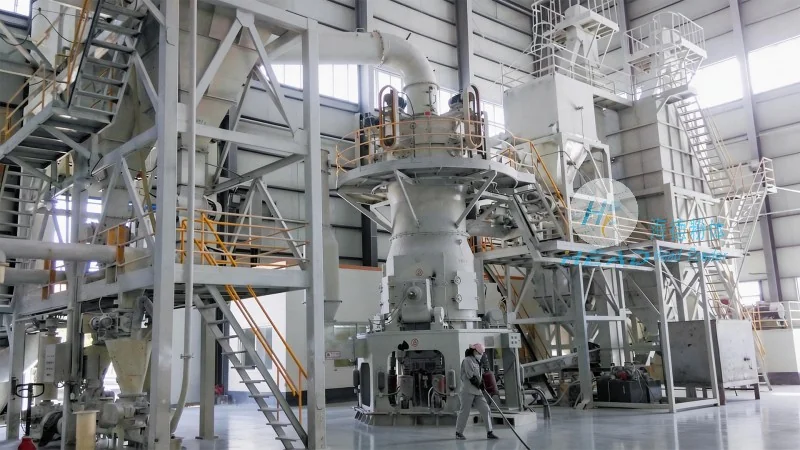
Bentonite is a natural clay composed primarily of montmorillonite, known for its ability to absorb water and expand. Its applications span from drilling fluids and foundry sands to cosmetics and environmental remediation. Due to its fine particle size and hygroscopic nature, traditional conveying methods like belt conveyors or screw conveyors may face challenges such as material buildup, clogging, and uneven flow. These issues can lead to operational inefficiencies and increased maintenance costs. Therefore, specialized conveying systems are often preferred to handle bentonite effectively.
Common Bentonite Conveying Methods
Several conventional methods are used for bentonite transportation, each with its own set of advantages and limitations. Belt conveyors, for instance, are widely used in bulk material handling but may struggle with fine powders like bentonite, which can cause slippage or material loss. Screw conveyors, while effective for granular materials, can suffer from clogging and require frequent cleaning, especially when dealing with hygroscopic clays. Pneumatic conveying, on the other hand, offers a more efficient and flexible solution for transporting fine powders and clays.
HeadPowder's Bentonite Pneumatic Conveying Systems
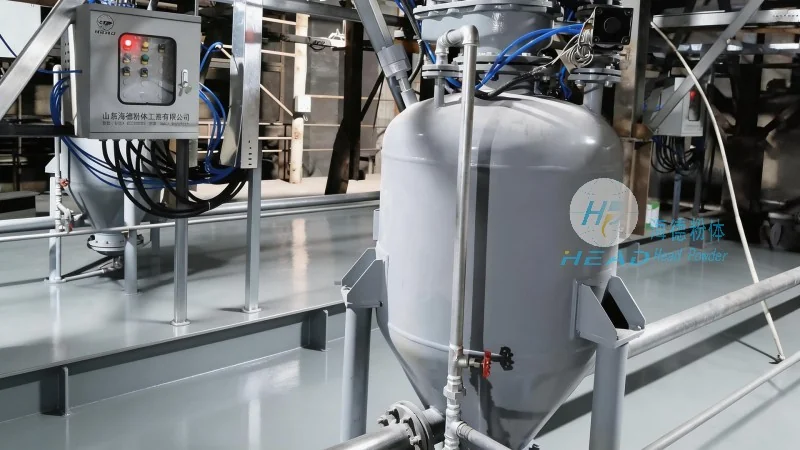
HeadPowder, a prominent company in the field, specializes in providing advanced pneumatic conveying solutions tailored to bentonite handling. Their systems are designed to address the unique challenges associated with bentonite, such as its fine particle size and tendency to clump. The company, based in Shandong, China, leverages years of experience and technological expertise to deliver reliable and efficient conveying equipment. HeadPowder's pneumatic conveying systems typically consist of a series of components, including a hopper, feeder, air compressor, and conveying line, all working in harmony to ensure seamless material transport.
Key Features of HeadPowder's Pneumatic Conveying Systems
HeadPowder's bentonite pneumatic conveying systems are equipped with several key features that enhance performance and reliability. One of the primary advantages is the ability to handle fine powders without clogging, thanks to the use of positive or negative pressure systems. The company's systems are also designed for low maintenance, with components that are easy to clean and replace. Additionally, HeadPowder offers customizable solutions to meet specific operational requirements, ensuring that clients receive a system that is tailored to their unique needs. The use of high-quality materials and advanced engineering ensures that the systems are durable and long-lasting, providing a reliable solution for bentonite transportation.
Applications and Benefits of Pneumatic Conveying for Bentonite
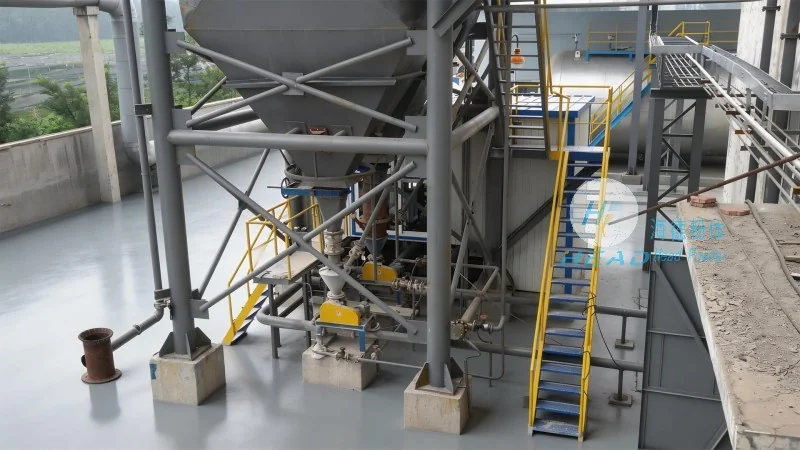
The benefits of pneumatic conveying for bentonite are evident in various industrial applications. In the oil and gas industry, bentonite is used as a drilling fluid additive, and efficient conveying is essential to maintain consistent fluid properties. In foundry operations, bentonite is used as a binder for sand molds, and reliable transport ensures consistent mold quality. The flexibility of pneumatic systems allows for easy integration into existing production lines, reducing downtime and increasing overall productivity. Furthermore, the ability to transport bentonite over long distances without the need for multiple transfer points makes the system cost-effective and efficient.
Conclusion
When considering bentonite conveying methods, it is clear that traditional approaches may not be sufficient for handling this versatile clay. HeadPowder's pneumatic conveying systems offer a superior solution, combining efficiency, reliability, and flexibility. By leveraging advanced technology and years of industry experience, HeadPowder provides clients with a dependable system that meets the unique demands of bentonite transportation. For businesses looking to optimize their bentonite handling processes, HeadPowder's solutions are a top choice, ensuring smooth operations and cost savings.




