Understanding the operation process and working principle of copper oxide powder conveying is crucial for optimizing material handling in various industrial applications. This article provides a detailed overview of the key components, mechanisms, and operational aspects involved in the efficient transport of copper oxide powders, with a focus on the technical aspects that ensure reliable and consistent performance.
Introduction to Copper Oxide Powder Conveying
Copper oxide is a widely used material in industries such as electronics, ceramics, and chemical manufacturing. The efficient and safe conveyance of copper oxide powders is essential to maintain production efficiency and product quality. Conveying systems for copper oxide powder must address challenges like dust control, material flow consistency, and equipment durability due to the abrasive and potentially hazardous nature of the material. Shandong HeadPowder Engineering Co., Ltd., a leading provider in the field, specializes in designing and implementing advanced powder conveying solutions tailored to the unique requirements of copper oxide handling.
Key Components of Copper Oxide Powder Conveying Systems
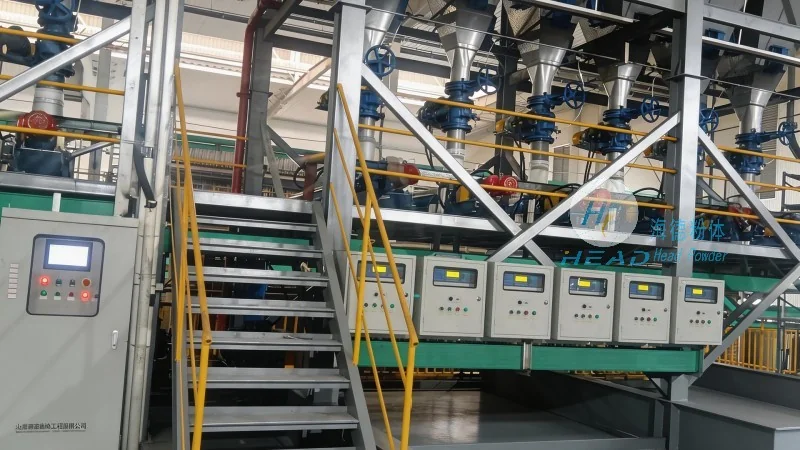
The operation of copper oxide powder conveying systems relies on several critical components that work in tandem to ensure smooth material transport. These components include feeders, conveyors, control systems, and dust collection units. Each component plays a vital role in the overall performance of the system.
Feeders are responsible for uniformly feeding copper oxide powder into the conveying line. Proper feeding ensures consistent material flow and prevents blockages or uneven distribution. Common types of feeders used in copper oxide conveying include screw feeders, vibratory feeders, and rotary valves. These devices are designed to handle the abrasive properties of copper oxide while maintaining precise control over the material feed rate.
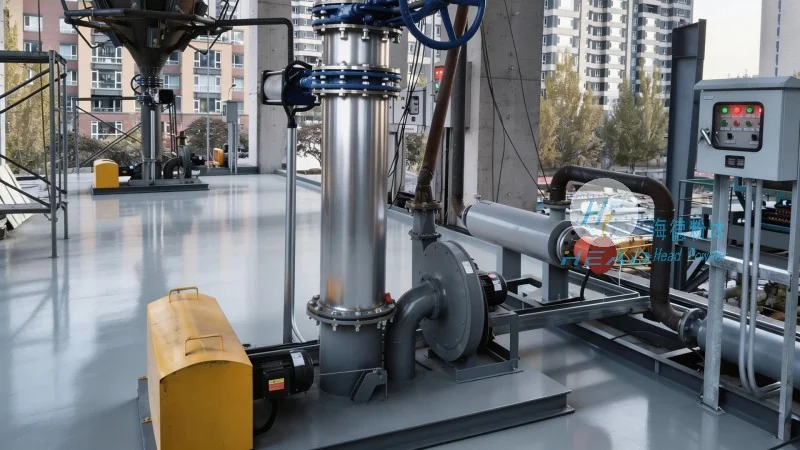
Conveyors, such as pneumatic or mechanical systems, are the core of the powder transport mechanism. Pneumatic conveying systems use air pressure to move copper oxide particles through a pipeline, while mechanical conveyors rely on belts, buckets, or screws to transport the material. The choice of conveyor type depends on factors like material characteristics, distance, and required flow rate. For copper oxide, pneumatic systems are often preferred due to their ability to handle fine powders and minimize dust exposure.
Control systems are integral to managing the operation of copper oxide powder conveying. These systems monitor parameters like pressure, flow rate, and temperature to ensure optimal performance. Advanced control technologies, including sensors and automation software, enable real-time adjustments to maintain consistent material transport and prevent system failures. Additionally, dust collection units are essential for maintaining a safe and clean working environment by capturing and filtering airborne particles.
Working Principle of Copper Oxide Powder Conveying
The working principle of copper oxide powder conveying involves the transfer of material from a source to a destination through a series of mechanical or pneumatic actions. The process typically begins with the material being fed into a hopper or silo. From there, the powder is introduced into the conveying line via a feeder. The conveyor then transports the material through the pipeline to the discharge point, where it is collected in a storage bin or processing unit.
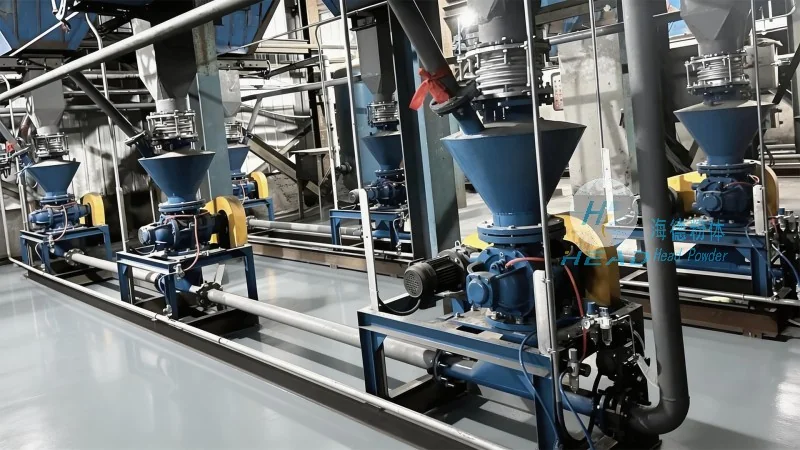
In pneumatic conveying systems, the operation relies on the creation of a pressure differential. Compressed air is introduced into the conveying line, creating a flow that propels the copper oxide particles forward. The air velocity must be sufficient to overcome the gravitational and frictional forces acting on the particles, ensuring they remain suspended and move efficiently. The system's design, including the size of the pipeline and the air flow rate, is critical to achieving optimal conveying performance.
For mechanical conveyors, the working principle involves the use of moving parts to transport the material. Screw conveyors, for example, use a rotating screw to push the copper oxide powder forward through a tube. The speed of the screw and the pitch of the threads determine the flow rate and pressure within the system. Vibratory conveyors utilize vibrations to move the material along a trough, which is particularly effective for handling cohesive or sticky powders like copper oxide.
The entire process is monitored and controlled to ensure that the copper oxide powder is conveyed safely and efficiently. This includes maintaining proper air pressure in pneumatic systems, ensuring the mechanical components are properly lubricated and aligned, and monitoring for any signs of blockages or leaks. Regular maintenance and inspection are essential to prevent downtime and ensure the longevity of the conveying system.
Operational Considerations for Copper Oxide Powder Conveying
When operating copper oxide powder conveying systems, several factors must be considered to ensure optimal performance and safety. Material properties, such as particle size, density, and moisture content, significantly impact the conveying process. Fine copper oxide powders may require higher air velocities or more robust feeding mechanisms to prevent clogging. Additionally, the abrasive nature of copper oxide can lead to wear on conveyor components, necessitating the use of durable materials like stainless steel or special coatings.
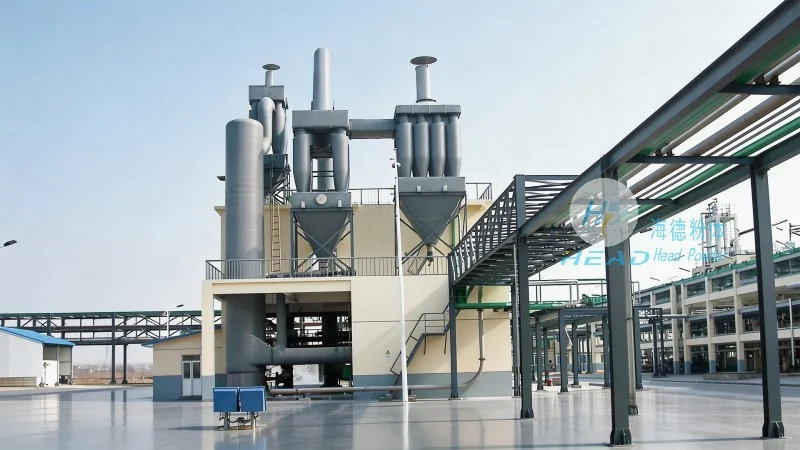
Environmental and safety considerations are paramount in copper oxide powder handling. Dust control measures, such as enclosures and filtration systems, are essential to prevent inhalation of fine particles and protect workers. The system must also comply with regulatory standards for air quality and occupational safety. Proper ventilation and dust extraction systems are critical to maintaining a safe working environment.
System integration and maintenance are key to the long-term success of copper oxide powder conveying operations. Integrating the conveying system with other processing equipment, such as mixers or reactors, ensures seamless material flow and reduces the risk of material loss or contamination. Regular maintenance, including cleaning, lubrication, and component replacement, is necessary to prevent wear and maintain system efficiency. Shandong HeadPowder Engineering Co., Ltd. offers comprehensive maintenance services and technical support to help clients optimize their copper oxide powder conveying systems and extend equipment life.
Conclusion
The operation process and working principle of copper oxide powder conveying are complex but essential for efficient industrial material handling. By understanding the key components, mechanisms, and operational considerations, industries can select and maintain effective conveying systems that meet their specific needs. Shandong HeadPowder Engineering Co., Ltd. provides expert solutions and support to ensure the reliable and safe transport of copper oxide powders, contributing to improved productivity and product quality in various applications.




